


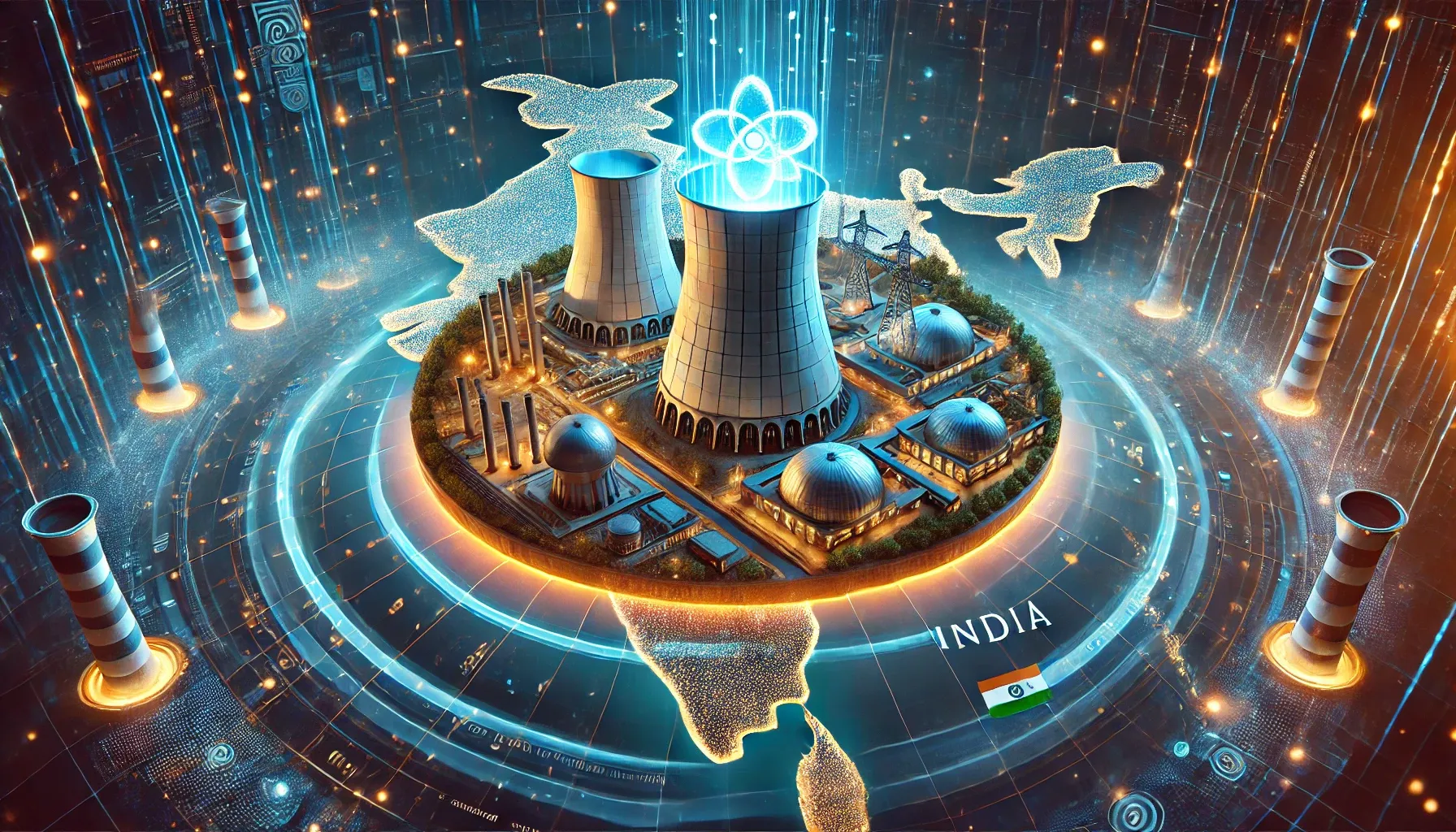
India’s Power Sector Giants Shift Focus to Nuclear Energy
The CSR Journal Magazine

India’s private power industry is reportedly undergoing a significant transformation as major firms pivot towards nuclear energy. Following extensive investments in thermal and renewable energy, companies are realising the potential of nuclear as a crucial component of the nation’s energy strategy. This shift is in response to the increasing demand for electricity, which is expected to peak at approximately 300 GW next year, according to government forecasts.

The Ministry of Power attributes this demand surge to various factors, including the growth of data centres, advancements in artificial intelligence, and the rise of electric vehicles. Previously, the 20th Electric Power Survey anticipated a peak demand of 296 GW for the period of 2026-27. While renewable energy will continue to play a vital role, experts highlight that consistent baseload power sources are essential to support the fluctuating nature of solar and wind energy.

Manoranjan Sharma, Chief Economist at Infomerics Ratings, emphasised that the expansion of renewable energy does not eliminate the necessity for reliable, low-carbon electricity around the clock. Currently, India’s capacity stands at 162.15 GW of solar and 57.44 GW of wind energy, contrasting sharply with only 8.78 GW of nuclear power. This disparity highlights an apparent gap that nuclear energy could help bridge.

Policy Developments Encouraging Private Participation

The evolving policy landscape is fostering greater engagement from the private sector in nuclear energy. The SHANTI Act, enacted in 2025, creates an environment for increased private participation and outlines liability frameworks that incentivise investments. This legislation aims to support the ambitious goal of achieving 100 GW of nuclear capacity by 2047, thereby attracting private firms proficient in managing extensive power assets.

The reforms introduced by the SHANTI Act mark a substantial shift from the previous restrictive framework governing nuclear generation. Though detailed rules for implementing the Act are still under development, potential market entrants are eagerly anticipating opportunities. The government has concurrently initiated a Rs 20,000-crore Nuclear Energy Mission focused on developing Small Modular Reactors (SMRs), which are among the innovative avenues for private companies.

Currently, India operates 24 nuclear power facilities, which provide a total capacity of 8,780 MW. The government envisions augmenting this capacity to around 22 GW by 2031-32, alongside additional expansions through the Nuclear Power Corporation of India Limited (NPCIL) to reach approximately 54 GW by 2047. Furthermore, 46 GW is expected to be contributed by various other entities, including public-sector enterprises and private companies.

Corporate Strategies in Nuclear Energy Initiatives

Several notable corporate entities are already establishing positions within the nuclear sector. Vedanta Power aims to expand its generation capacity to 20 GW, viewing nuclear energy as a fundamental component for achieving energy security and sustainability in the long term. Reports indicate that Vedanta has engaged in discussions with Holtec International regarding the potential development of a small modular reactor pipeline.

Adani Group is also planning to develop nuclear capacity of up to 10 GW by 2035, while Reliance Industries is assessing investments in both traditional nuclear projects and SMRs. Tata Power is working in collaboration with NPCIL to advance its nuclear plans, having identified suitable land across several states for proposed small modular units.

Despite the increasing interest from these established thermal power companies, the path forward remains fraught with challenges. The success of nuclear power in India hinges on overcoming obstacles such as financing, regulatory approval, and meeting public acceptance—all of which require a coordinated effort from stakeholders across the board. As the regulatory framework matures, it is expected that corporate interest will increasingly translate into viable projects within India’s evolving energy landscape.

Long or Short, get news the way you like. No ads. No redirections. Download Newspin and Stay Alert, The CSR Journal Mobile app, for fast, crisp, clean updates!

App Store –  https://apps.apple.com/in/app/newspin/id6746449540 

Google Play Store – https://play.google.com/store/apps/details?id=com.inventifweb.newspin&pcampaignid=web_share

Latest News

Popular Videos
