


Allahabad HC Addresses Discrepancies in Private Hospital Charges
The CSR Journal Magazine

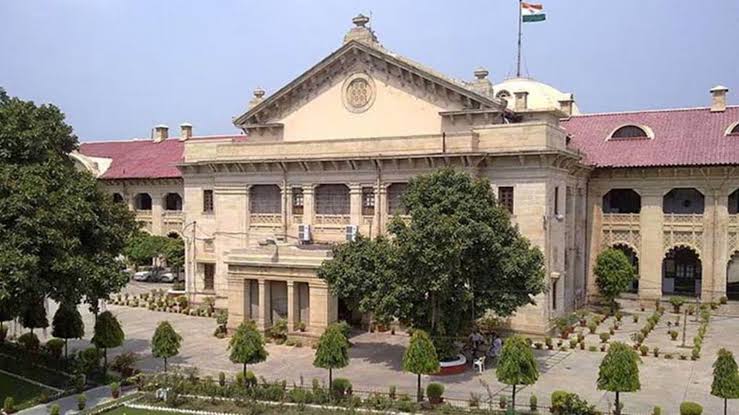
The Allahabad High Court has expressed alarm regarding the significant differences in fees and charges imposed by private hospitals and healthcare facilities. The court stated that patients should not be subjected to exorbitant bills simply due to their medical conditions. This statement underlines the necessity for regulation of these charges by both the Central and state governments, proposing that this could be achieved either through new legislation or amendments to existing laws.

In addition to the regulation of fees, the court has requested detailed information on private hospitals that have received government assistance, including subsidies such as land grants. The inquiry also includes examining the conditions that such institutions must meet in exchange for providing subsidised treatments or services to economically disadvantaged segments of the population. This inquiry originated from a public interest litigation initiated by the NGO We The People based in Lucknow.

Legislative Framework and Compliance Issues

The Lucknow bench, comprising Justices Rajan Roy and Manjive Shukla, referred to an order dated August 6 while making these observations. The justices pointed out that the Clinical Establishments (Registration and Regulation) Act, 2010 was designed to establish minimum standards within healthcare facilities to enhance public health. However, the court noted that the existing framework does not sufficiently guarantee uniformity or fairness concerning medical treatment charges.

The court invoked Rule 9 of the Clinical Establishments (Central Government) Rules, 2012, which mandates clinical establishments to publicly display their service rates and adhere to charge limits determined by the Central government in consultation with the respective states. While some variability in charges based on the type of establishment may be warranted, the court found that the severe discrepancies leading to the financial exploitation of ordinary patients was unacceptable.

Additionally, the court inquired about the status of the National Council of Clinical Establishments, which was established under the 2010 Act to create and periodically revise minimum standards. The court sought information regarding the operational status of the State Council in Uttar Pradesh and its compliance with the established regulations.

Orders for Formal Investigations and Reporting

The bench further instructed relevant authorities to provide an account of inspections carried out by the Lucknow District Registering Authority as outlined in Section 33 of the Clinical Establishments Act. The court demanded a report on actions taken during these inspections, along with annual data on the authority’s operational functions over the past five years. This included verification of whether private clinical entities are correctly maintaining medical records as per regulatory requirements.

The state government has been mandated to submit a supplementary affidavit addressing these concerns, including the establishment of grievance redressal mechanisms for patients who encounter deficiencies in the services offered by private hospitals. The court’s directives are centred on ensuring that there is stricter regulation regarding the charges levied by private healthcare facilities, compliance with current laws, and improved protections for patients.

The next hearing in this matter is scheduled for September 21, further highlighting the judges’ commitment to addressing these crucial issues in the healthcare system.

Long or Short, get news the way you like. No ads. No redirections. Download Newspin and Stay Alert, The CSR Journal Mobile app, for fast, crisp, clean updates!

App Store –  https://apps.apple.com/in/app/newspin/id6746449540 

Google Play Store – https://play.google.com/store/apps/details?id=com.inventifweb.newspin&pcampaignid=web_share

Latest News

Popular Videos
