


US Deploys 12 Ships and 100 Aircraft to Enforce Blockade on Iranian Ports
The CSR Journal Magazine

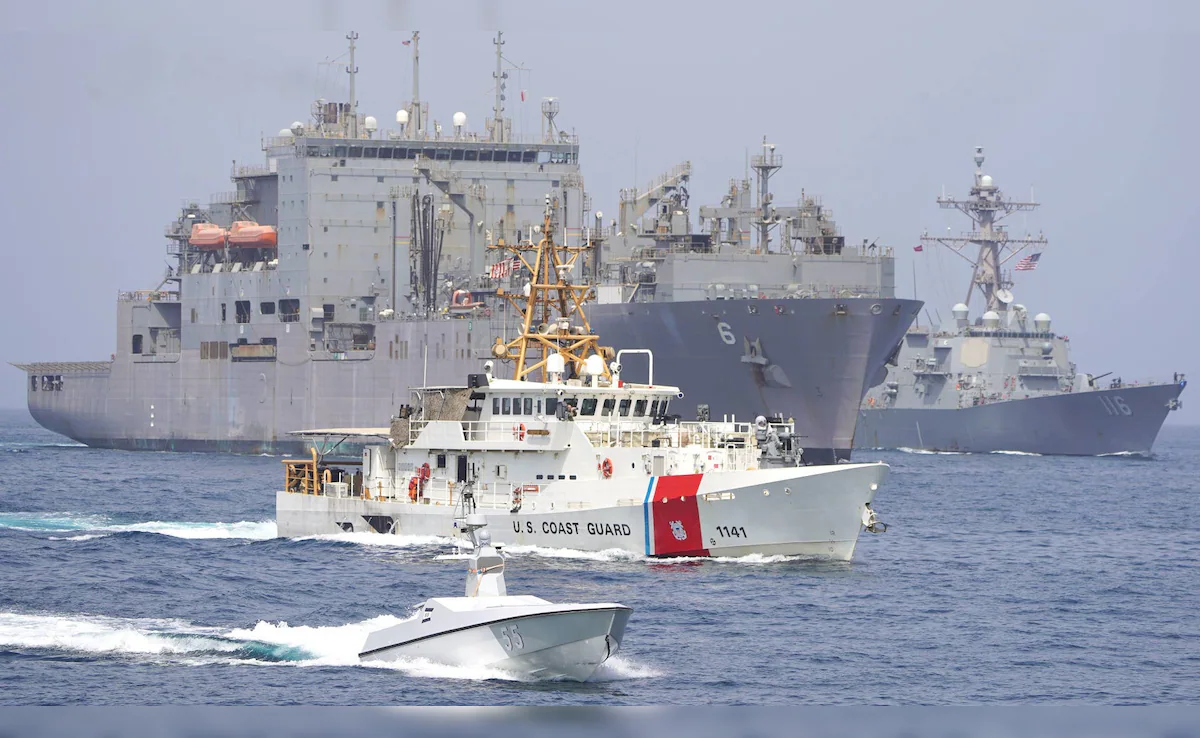
The US Central Command (CENTCOM) announced on April 17, 2026, that US forces are actively implementing a sizable maritime blockade targeting the ports and coastal areas of Iran. This operation involves more than 10,000 military personnel, twelve naval vessels, and over 100 aircraft. CENTCOM shared details through a post on X, highlighting the presence of the USS Abraham Lincoln (CVN 72) in the Arabian Sea as part of this extensive operation.

CENTCOM clarified that the blockade does not extend to the Strait of Hormuz, ensuring that vessels are prohibited from entering or leaving Iranian waters as part of compliance with a Presidential proclamation. The deployment indicates a significant scale of US naval activity in response to rising tensions in the region.

As part of the enforcement measures, sailors aboard the guided-missile destroyer USS Delbert D. Black (DDG 119) are maintaining a watchful presence to deter any ships that might attempt to navigate towards Iranian ports.

Details of Naval Operations

The USS Delbert D Black is among the vessels tasked with monitoring activity in Iranian waters and intercepting ships that violate the blockade. This strategic positioning solidifies the US commitment to ensuring that maritime traffic remains within the legal confines that the blockade establishes.

In light of these developments, US President Trump remarked on the efficiency of the blockade, asserting that US naval forces are successfully preventing unauthorized vessels from approaching Iranian coastal areas. He emphasised the operational routine of the military in executing the blockade, showcasing confidence in the Navy’s capabilities to enforce maritime law effectively.

On the same day, General Dan Caine, Chairman of the Joint Chiefs of Staff, reiterated the blockade’s scope during discussions with the media. He noted that all vessels, regardless of their origin, are subject to this blockade if they attempt to transit to or from Iranian ports.

Consequences and Future Preparedness

General Caine affirmed that the US actions are directed specifically at Iran’s coastline and ports but do not influence navigation through the Strait of Hormuz. Enforcement will occur both within Iranian territorial seas and in international waters, reflecting a robust commitment to navigation safety and security in the region.

Additionally, the US joint force aims to counter potential support for Iran, which may include pursuing vessels identified as part of the so-called “dark fleet,” engaged in activities that violate international regulations or sanctions. These actions include tracking ships that may attempt to transport Iranian oil illicitly.

The central message communicated by US military officials is one of readiness; they remain prepared to transition to major combat operations if the situation demands, with the ability to act decisively at a moment’s notice. This statement signifies the gravity with which the US perceives the regional tensions and its commitment to maintaining maritime stability.

Long or Short, get news the way you like. No ads. No redirections. Download Newspin and Stay Alert, The CSR Journal Mobile app, for fast, crisp, clean updates!

App Store –  https://apps.apple.com/in/app/newspin/id6746449540 

Google Play Store – https://play.google.com/store/apps/details?id=com.inventifweb.newspin&pcampaignid=web_share

Latest News

Popular Videos
