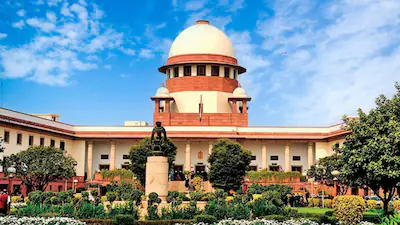
The Supreme Court has clarified that its recent interim order concerning audio and video recordings of court proceedings does not hinder recognised news organisations from reporting on judicial hearings. This clarification arose from an observation that “some confusion persists” regarding a specific paragraph of the July 24 interim order.
The previous order announced a prohibition on the extraction, editing, dissemination, uploading, and monetisation of audio-video recordings of court sessions on social media and other digital platforms unless prior approval was obtained from the Registrar General of the Supreme Court or the relevant High Court. The court made it clear that this order “is not to be construed as imposing a blanket prohibition on the reporting of court proceedings by recognised news outlets.”
Freedom to Report Under Conditions
The bench, which included Chief Justice Surya Kant and Justices Joymalya Bagchi and V Mohana, stated that recognised media organisations are permitted to continue providing coverage of court proceedings and updates on legal developments and judicial decisions. However, they must refrain from including any audio or video clips of those proceedings in their reports.
<h4“In sum, while news outlets may continue to report on the court proceedings, they shall nonetheless remain bound by the restrictions set out in paragraph 10,” the court noted. This refers to the earlier order prohibiting the extraction and distribution of audiovisual content without proper permission, emphasising the need for adherence to these guidelines.
Paragraph 10 of the July 24 order stipulated that there should be no extraction, modification, dissemination, monetisation, posting, reposting, or uploading of audio-video recordings from judicial proceedings without prior consent from relevant court officials.
Response to Public Interest Litigation
This clarification was issued while the bench was reviewing a series of petitions related to the live-streaming and recording of court proceedings. The case was adjourned to September 18 to allow the Union government, social media platforms, and High Courts to present their responses.
During the proceedings, the court granted an intervention application submitted by RTI activists who opposed the comprehensive prohibition on sharing court clips. This allowed them to participate in the discussions as intervenors.
The underlying matter originated from a public interest litigation put forth by journalist Harshita Grover, which called for guidelines to regulate the clipping, editing, dissemination, and monetisation of audiovisual recordings of court proceedings on digital platforms. The petition argues that the selective sharing of courtroom exchanges can diminish the dignity of the courts and erode public confidence in the judicial system.
Additionally, while issuing the interim order on July 24, the Supreme Court had requested responses from the Centre, all High Courts, and social media platforms such as Meta and X. It also directed the Union government to identify which nodal ministries would be responsible for implementing the proposed regulatory framework.
Long or Short, get news the way you like. No ads. No redirections. Download Newspin and Stay Alert, The CSR Journal Mobile app, for fast, crisp, clean updates!