


Supreme Court Restores MCG’s Rights Over 274 Acres in Gurugram
The CSR Journal Magazine

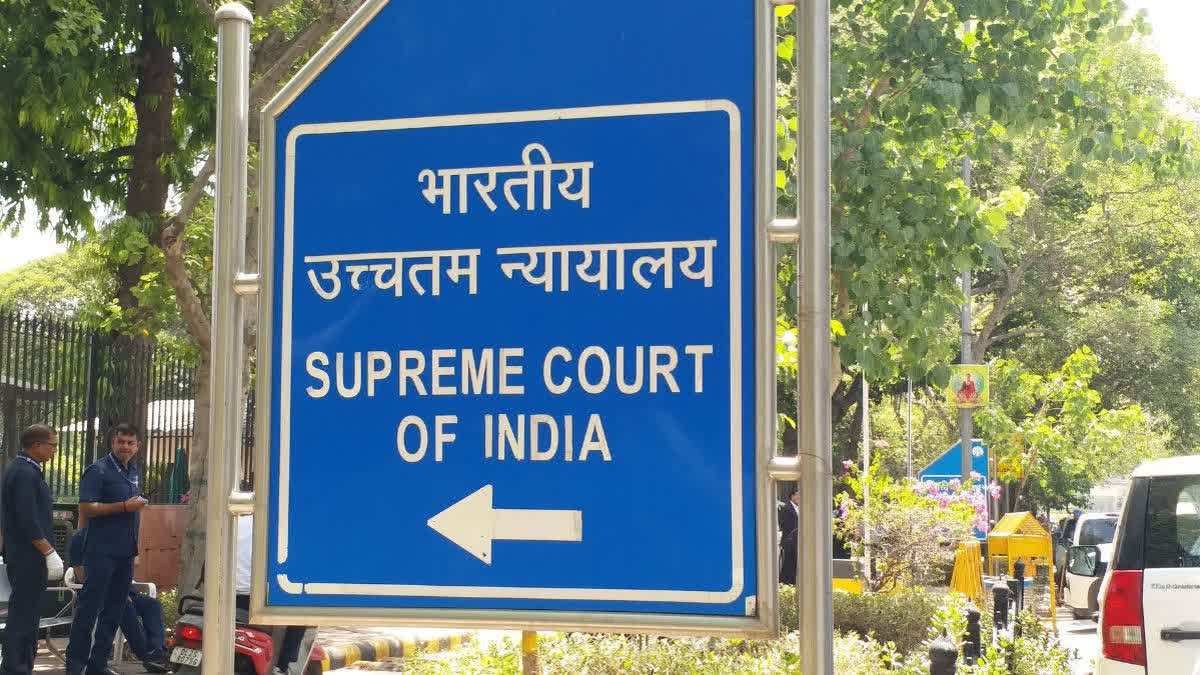
The Supreme Court has restored the ownership of over 274 acres of land in Haiderpur, Gurugram, to the Municipal Corporation Gurugram (MCG). This ruling determines that the land, classified as shamlat deh or village common land, cannot be considered private property solely based on the names of alleged proprietors in revenue records. The decision was reached on August 5 during a session presided over by a Bench comprising Justice Sanjay Kumar and Justice K. Vinod Chandran.

Historical Background of the Dispute

The land in question, encompassing 436 bighas and 18 biswas, is situated in Haiderpur, a village located adjacent to Wazirabad in Gurugram. The origins of this dispute can be traced back to 1985 when four residents of Wazirabad initiated proceedings under Section 13A of the Haryana Common Lands (Regulation) Act, 1961. They claimed to represent proprietors asserting private ownership of the land, arguing that it had never served common village purposes.

The land was originally mutating in favour of the Gram Panchayat in 1955 based on legislation concerning Punjab Village Common Lands. A series of reviews by revenue authorities and subsequent court rulings unfolded over the years, leading to conflicting decisions. In 2005, the Gurgaon Division Commissioner restored the 1955 mutation, only for the Punjab and Haryana High Court to later set this order aside in 2007, labelling it a non-speaking decision.

The Supreme Court, after examining historical revenue documents, found that relevant records, including Jamabandis from 1877, 1885, and 1905, were crucial in supporting its determination. These records had not been previously presented during earlier hearings. The Court noted that although approximately 272 sale deeds were executed during the ongoing dispute, the ownership claims lacked substantive evidence.

Legal Framework and Court Ruling

The Supreme Court underscored that the land’s status as shamlat deh held legal weight, regardless of challenges presented by proprietors. It ruled that historical documentation did not support any claims of partition or separate private ownership prior to January 26, 1950. Furthermore, the Court affirmed that the rights of the Gram Panchayat were transferred to the MCG upon its formation.

The judgement elaborated that the lower courts had not adequately considered the implications of the Sharat Wajib-ul-Arz and historical records, thereby misjudging the nature of the land. The Supreme Court found that the plaintiffs did not provide legal grounds sufficient to annul the 1955 mutation, leading to its restoration in favour of the Gram Panchayat.

In concluding its decision, the Supreme Court clarified that all rights and benefits arising from the restored mutation would now pass to the Municipal Corporation Gurugram. This ruling is significant, as it underscores the judicial emphasis on maintaining the integrity of village common lands amidst growing urbanisation and related disputes.

Long or Short, get news the way you like. No ads. No redirections. Download Newspin and Stay Alert, The CSR Journal Mobile app, for fast, crisp, clean updates!

App Store –  https://apps.apple.com/in/app/newspin/id6746449540 

Google Play Store – https://play.google.com/store/apps/details?id=com.inventifweb.newspin&pcampaignid=web_share

Latest News

Popular Videos
