


Sam Altman Testifies That Elon Musk Sought 90% Stake In OpenAI
The CSR Journal Magazine

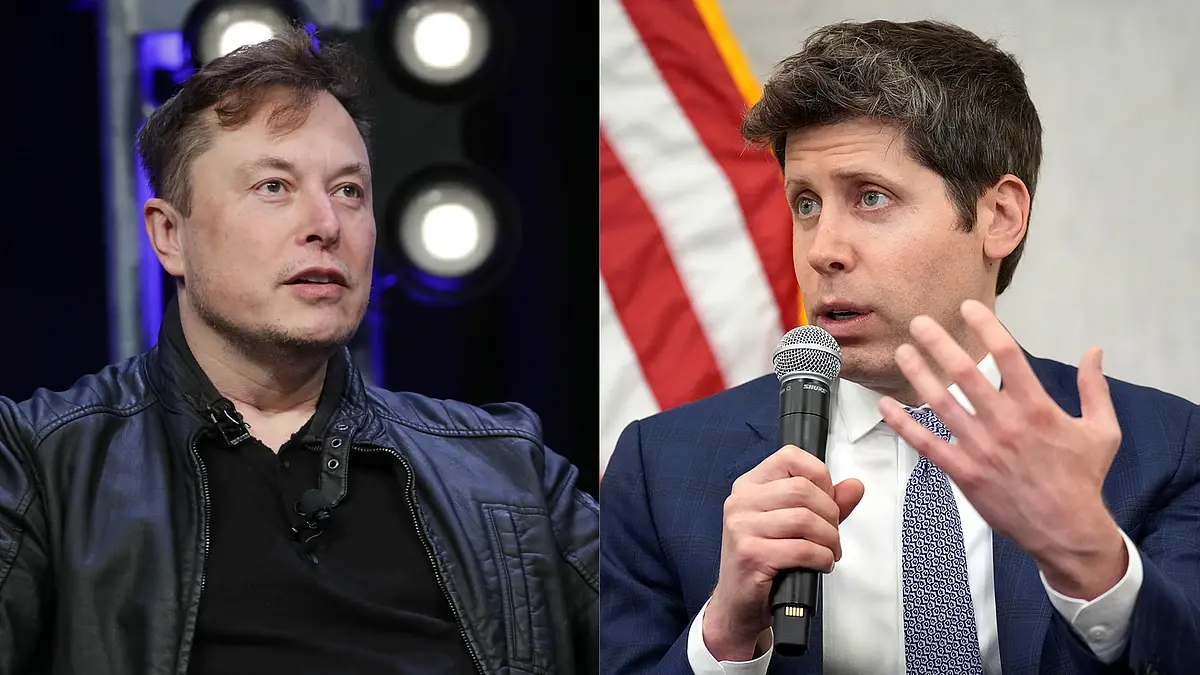
In a landmark legal battle, OpenAI’s CEO Sam Altman has testified that Elon Musk allegedly desired a 90 per cent ownership stake in the artificial intelligence company. The trial commenced in Oakland, California, and marks a significant moment in the ongoing conflict between two of the tech industry’s leading figures.

Musk, known as the world’s wealthiest individual, has accused Altman and OpenAI president Greg Brockman of betraying the original mission of the organisation, which Musk claims was founded as a charitable initiative focused on benefiting humanity.

During his testimony on May 12, Altman rebutted Musk’s claims, alleging that the billionaire has a desire for control over OpenAI and framing his accusations as out of touch with reality. This legal dispute is emblematic of the friction that has characterised their relationship since the founding of the organisation.

Background of the Dispute

The conflict traces back to Musk’s investment of $38 billion in OpenAI, based on intentions aligned with advancing humanitarian goals. However, following a shift to a profit-driven model in 2019, Musk contends that he was misled regarding the company’s direction.

Altman’s assertion during the trial was that Musk was aware of the company’s pivot towards a for-profit approach at the time of his investment. According to Altman, Musk had initially proposed that he should control the majority of the equity in the company, demonstrating his interest in a dominant stake from early discussions.

“An early number that Mr Musk threw out was that he should have 90 per cent of the equity to start,” Altman reported under oath, highlighting the evolving nature of Musk’s expectations regarding ownership in the venture. This revelation adds another layer of complexity to their ongoing legal confrontation, as it challenges Musk’s narrative of being misled.

Potential Implications of the Trial

The trial not only holds the potential to redefine the relationships within the powerful executive circles of technology but may also influence the future trajectory of OpenAI, particularly as it considers a possible public offering. The valuation of the company could skyrocket to $1 trillion, marking it as a significant player in the market.

As the legal battle unfolds, Musk is reportedly seeking $150 billion in damages from OpenAI and its primary investor, Microsoft. He is also pushing for the removal of Altman and Brockman from their respective leadership roles, positioning himself as a voice of oversight for the company’s direction.

Musk has portrayed Altman in a negative light, describing him as untrustworthy in the context of overseeing AI advancements. This sentiment raises larger concerns in the public sphere, as many view AI technology with scepticism. A recent poll by the Pew Research Center indicated that a significant majority of respondents believe AI could negatively affect critical thinking and problem-solving abilities.

In response to probing from Musk’s legal representative, Altman maintained his integrity and dismissed suggestions of misrepresentation in business dealings. He suggested that Musk’s decision to depart from OpenAI’s board in 2018 was indicative of deeper management issues within the company.

Long or Short, get news the way you like. No ads. No redirections. Download Newspin and Stay Alert, The CSR Journal Mobile app, for fast, crisp, clean updates!

App Store –  https://apps.apple.com/in/app/newspin/id6746449540 

Google Play Store – https://play.google.com/store/apps/details?id=com.inventifweb.newspin&pcampaignid=web_share

Latest News

Popular Videos
