


Nepal PM Says Both Nepal and India Encroached on Each Other’s Territory Amid Border Row
The CSR Journal Magazine

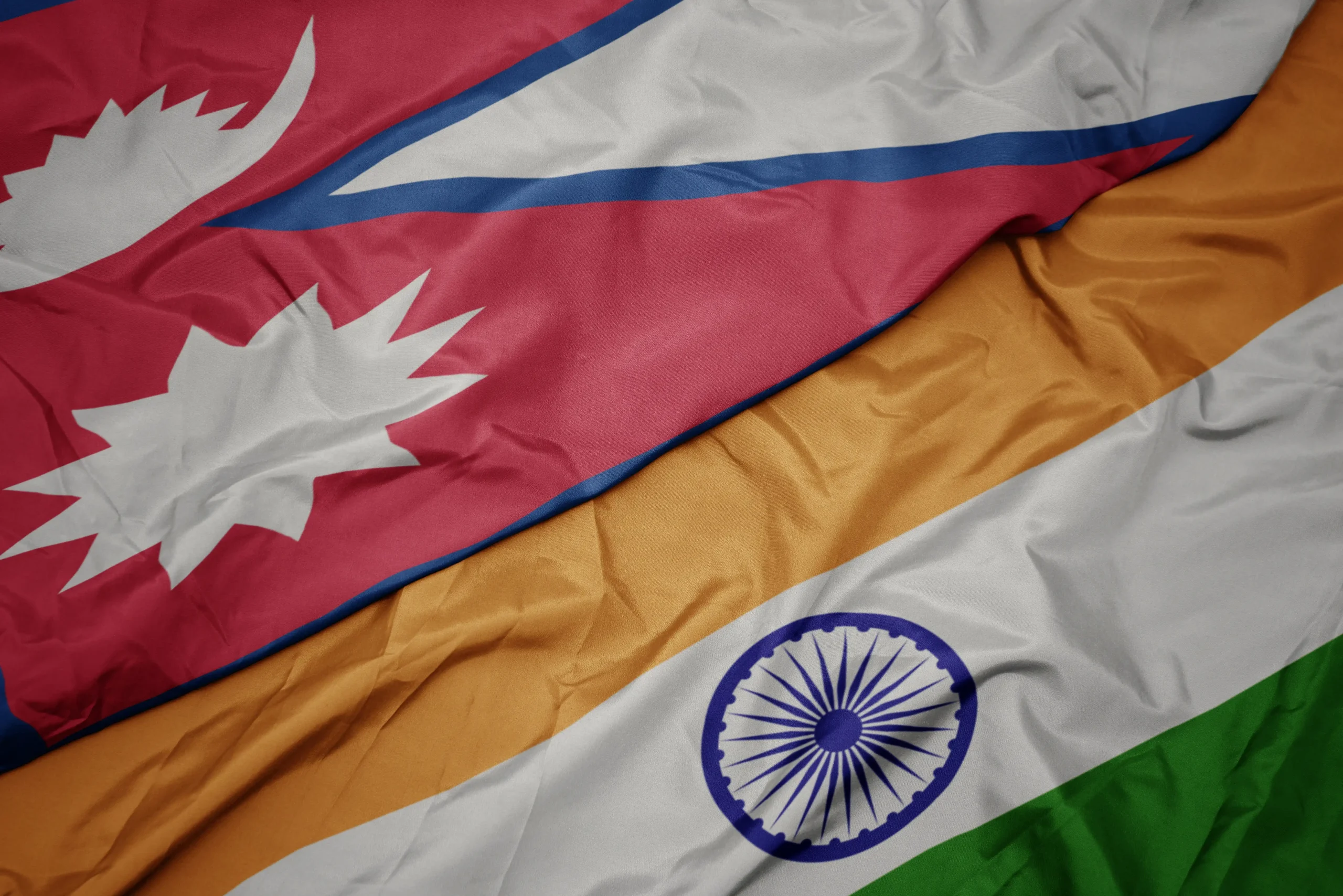
The recent remarks by Nepal’s Prime Minister Balendra Shah have reignited a complex border dispute with India. During his inaugural address to the Federal Parliament on June 2, 2026, Shah claimed that not only has India encroached on Nepali territory, but that Nepal has also allegedly encroached on Indian land. This statement deviates from the historical narrative in which Nepal typically accuses India of territorial infringement.

Shah’s comments stirred considerable backlash from Nepali lawmakers, raising concerns about the implications of his statements on parliamentary decorum and regional diplomacy. The longstanding border conflict encompasses disputed areas such as Limpiyadhura, Lipulekh, and Kalapani, each fraught with intertwined historical, geographical, and political complications.

Shah, the youngest individual to hold the prime ministerial office in Nepal, indicated that both nations should conduct objective studies and engage in discussions to address the border concerns amicably. However, he did not provide specifics regarding which regions he believes Nepal has encroached upon.

Historical Context of the Dispute

The border dispute between India and Nepal has its roots in the Sugauli Treaty of 1816, which defined the western boundary between the two nations. However, the treaty did not clearly delineate the origin of the Kali River, which serves as a significant point of contention in determining the demarcation line. The lack of supporting maps has allowed for various interpretations and claims by both sides.

Indian authorities reference historical revenue records from the 1830s to bolster their claims over the disputed areas, while Nepal asserts that the boundary lies at Limpiyadhura based on the treaty’s ambiguities. The fact that Indian troops have occupied Kalapani since the Sino-Indian War of 1962 adds another layer of complexity to the situation.

Nepal’s Ministry of Foreign Affairs reiterated its stance that the territories in question belong to Nepal and clarified that the Prime Minister’s statements were intended to highlight local discrepancies that may exist between legal boundaries and actual land usage. This distinction suggests that cross-border occupation might occur, complicating the negotiation process further.

Responses and Future Implications

Nepal’s Ministry of Foreign Affairs responded promptly to Shah’s comments, affirming both nations’ commitment to resolving border disputes through diplomatic means. This assertion aligns with past efforts, notably a joint initiative established in 2016 between Nepal and India to review bilateral relations comprehensively.

Critics within Nepal, including lawmakers from opposition parties, have urged Shah to clarify his statements and reconsider their diplomatic ramifications. Former officials have contested the Prime Minister’s remarks, asserting that Nepal has not encroached upon Indian territory, and cautioning against the potential diplomatic fallout.

Despite the tensions, analysts note that both countries have historically endeavoured to navigate their complicated relationship through ongoing dialogue. Whether Shah’s recent comments will hinder or help these discussions remains to be seen, as both nations aim to manage their extensive and often contentious border amicably.

Long or Short, get news the way you like. No ads. No redirections. Download Newspin and Stay Alert, The CSR Journal Mobile app, for fast, crisp, clean updates!

App Store –  https://apps.apple.com/in/app/newspin/id6746449540 

Google Play Store – https://play.google.com/store/apps/details?id=com.inventifweb.newspin&pcampaignid=web_share

Latest News

Popular Videos
