


Operation Mahadev: How India Tracked Down Pahalgam Attackers
The CSR Journal Magazine

Operation Mahadev is characterised by its relentless pursuit of justice following the tragic terror attack on April 22, 2025, in Baisaran, Pahalgam, which shocked the nation. This brutal incident claimed the lives of unarmed tourists, highlighting the severe risks faced by civilians in conflict zones. The attack, executed in an execution-style manner, targeted individuals based on their identity and provoked widespread outrage and sorrow across India.

The immediate response involved a coordinated effort by the Indian Army and various security agencies. Troops were dispatched to the scene shortly after the attack, where they worked to reconstruct the events that had unfolded. Eyewitness accounts, coupled with critical intelligence inputs, identified three Pakistani terrorists responsible for the heinous act, all with ties to the militant organisation Lashkar-e-Taiba.

This attack was a catalyst for the launch of Operation Mahadev, which evolved into one of the most extensive counter-terror operations witnessed in recent years. The goal was to locate and apprehend the terrorists who had evaded immediate capture following the incident.

Execution Of Operation Mahadev

Operation Mahadev commenced rapidly after the identification of the assailants. Security forces implemented measures to seal off potential escape routes, preventing the terrorists from fleeing the Kashmir Valley. Parallel efforts from intelligence agencies combined human intelligence, technical intelligence, and survivor accounts to track the whereabouts of the attackers.

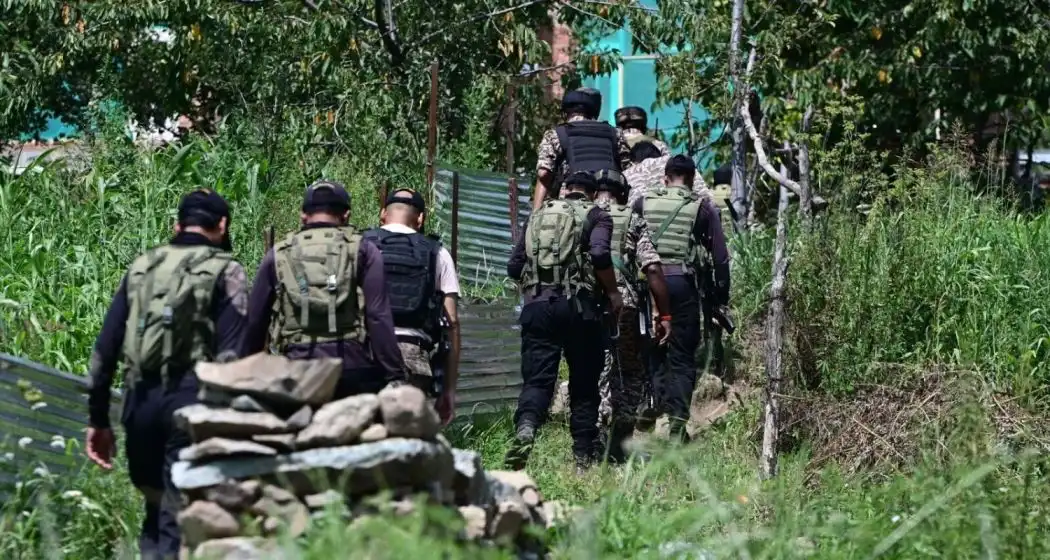
As the operation unfolded, the terrorists were traced through various locations in southern Kashmir, including Hapatnar, Bugmar, and Tral, until they found refuge in the dense forests surrounding the Mahadeo Ridge in Dachhigam. The difficult terrain, marked by high altitude and thick vegetation, posed significant challenges, yet it also helped focus the search area for the security forces.

By late May 2025, the operational scope had widened significantly. The deployment of additional forces, including elite PARA (Special Forces) units, was integral to the operation’s intensity. The preparation for the Amarnath Yatra raised security alarm, necessitating heightened operational measures to ensure public safety.

Concluding The Operation

The turning point of the operation occurred on July 10, 2025, with the arrival of new intelligence that prompted concurrent operations in Lidwas, Harwan, and Dachhigam. Security personnel systematically established barriers, diminishing the search area from over 300 square kilometres to a mere 25 square kilometres.

On July 28, 2025, following a prolonged pursuit that spanned more than 250 kilometres, a PARA (Special Forces) team executed a carefully planned operation within the dense forest. After advancing stealthily for several hours, they successfully engaged the terrorists, neutralising all three individuals and delivering justice for the victims of the Pahalgam massacre.

One year after the operation, reflection on Operation Mahadev reveals its significance beyond tactical achievements. It showcased exceptional coordination among the Indian Army, Jammu and Kashmir Police, intelligence units, and central forces. Moreover, the operation exemplified the impact of advanced surveillance technology, rigorous planning, and sustained operational pressure in counter-terrorism endeavours.

Long or Short, get news the way you like. No ads. No redirections. Download Newspin and Stay Alert, The CSR Journal Mobile app, for fast, crisp, clean updates!

App Store –  https://apps.apple.com/in/app/newspin/id6746449540 

Google Play Store – https://play.google.com/store/apps/details?id=com.inventifweb.newspin&pcampaignid=web_share

Latest News

Popular Videos
