


Protests in Pakistan-Occupied Jammu and Kashmir Spread to Islamabad and Rawalpindi
The CSR Journal Magazine

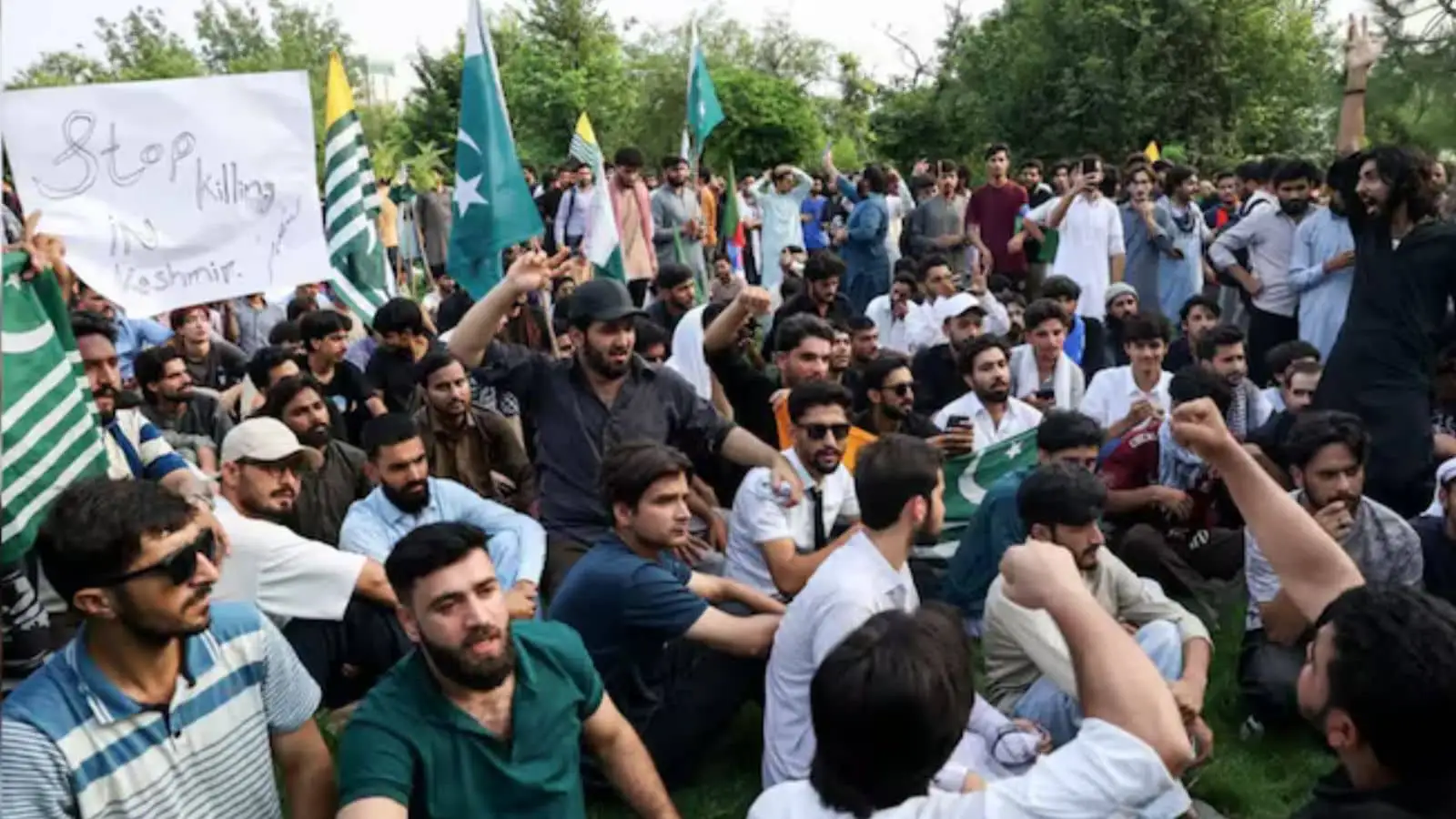
Protests have intensified in Islamabad and Rawalpindi amid growing discontent in Pakistan-occupied Jammu and Kashmir (PoJK). On Sunday, August 2, students gathered outside the Rawalpindi Press Club at 5 PM local time to voice their grievances. The demonstration included students from PoJK, indicating the widespread frustration over the ongoing political situation.

Law enforcement responded to the protests with a heavy police presence, which reportedly involved mass arrests and the use of batons to disperse the crowds. However, there have been no verified reports of gunfire during these confrontations, showcasing the tense atmosphere as well as the authorities’ attempt to maintain order.

The protests follow significant disruptions during the second phase of elections in PoJK, which raised concerns regarding the integrity of the electoral process. The unrest highlights a broader discontent among the populace, particularly among younger demographics, who are actively participating in these demonstrations.

Election Process Heavily Disrupted

The electoral process faced significant challenges on Sunday, with polling scheduled to take place across 21 constituencies, encompassing both the Muzaffarabad Division and a number of refugee constituencies scattered throughout Pakistan. However, the elections were marred by logistical failures, leading to an inability for election personnel and materials to reach designated polling stations due to ongoing protests and road blockades.

For instance, in the constituency of LA-27 Kotli, reports indicated that polling could not proceed as election staff were unable to navigate the blocked roads. Similar issues were reported in LA-28 Muzaffarabad-II, where 71 polling stations faced significant disruptions. These challenges have led to criticism from various political and civil society groups questioning the overall organisation and credibility of the electoral arrangements.

Such incidents have further intensified debates regarding the effectiveness of the government’s election management, with opposition parties highlighting the administrative inadequacies affecting voter participation. The disruptions led to tangible consequences for the electoral climate, as many voters reportedly chose to abstain from casting their ballots in protest.

Continued Unrest and Long-Term Protests

Demonstrations continued throughout the day, with gatherings at various locations including D-Chowk, where protesters staged a sit-in, aiming to march toward Muzaffarabad. Reports from Rawalakot mentioned intermittent firing by security forces, signifying the heightened tensions between demonstrators and law enforcement.

Another notable site of protest is Dreak Eidgah, which has hosted a sit-in for almost 50 days. It remains a focal point for activists, including women and children, who have announced their determination to continue until their demands are acknowledged and addressed. This prolonged protest signifies the broader call for political reform and accountability within the region.

Despite claims from various groups that many voters stayed away from polling stations to show their protest, the official figures for voter turnout and specific reasons for participation or abstention have yet to be substantiated by independent sources. The overarching climate of political unrest in PoJK casts a long shadow over the electoral process, raising important questions about the future of governance in the region.

Long or Short, get news the way you like. No ads. No redirections. Download Newspin and Stay Alert, The CSR Journal Mobile app, for fast, crisp, clean updates!

App Store –  https://apps.apple.com/in/app/newspin/id6746449540 

Google Play Store – https://play.google.com/store/apps/details?id=com.inventifweb.newspin&pcampaignid=web_share

Latest News

Popular Videos
