


Madhya Pradesh Assembly Approves Uniform Civil Code Bill
The CSR Journal Magazine

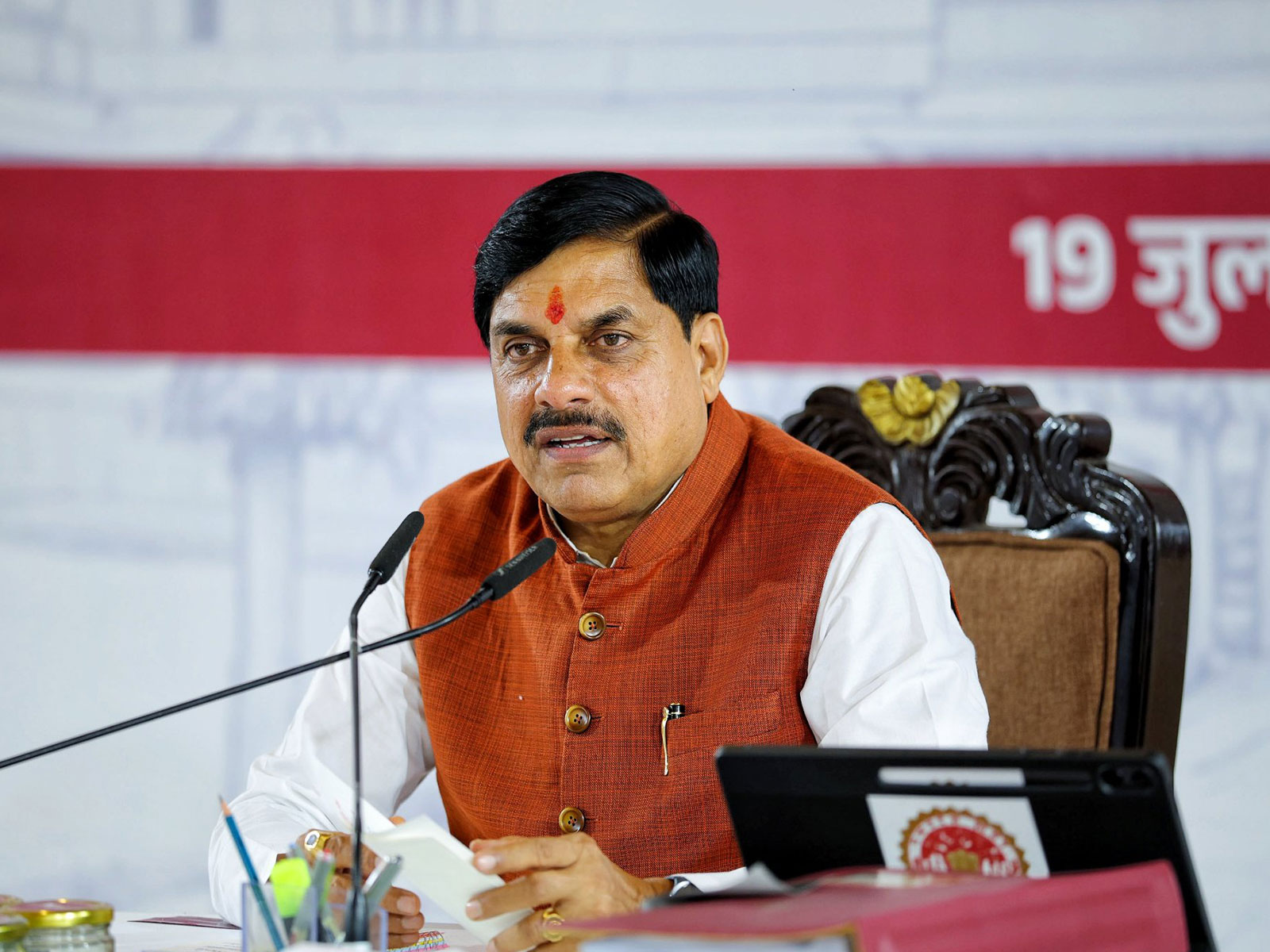
The Madhya Pradesh Assembly has passed the Uniform Civil Code (UCC) Bill on July 21, 2026, through a voice vote. Chief Minister Mohan Yadav described the enactment of this legislation as a significant milestone, asserting its alignment with the fundamental principles of ‘One Nation, One Constitution, One Flag, One Leader.’ He claimed the law is inspired by notable figures such as Bhimrao Ambedkar, Sardar Vallabhbhai Patel, and Syama Prasad Mookerjee, emphasising its importance for the state’s 8.5 crore residents.

Despite the passage of this bill, opposition arose mainly from Congress MLAs, who requested the Bill be sent to a select committee for further scrutiny. They also advocated for the implementation of a 27 per cent reservation for Other Backward Classes (OBCs). Yadav remarked on the historic significance of the UCC, arguing that it would assist in liberating women from societal injustices, particularly polygamy.

The Chief Minister directly addressed the Congress party’s criticisms, alleging that they perpetuate division among communities. He attributed such divisive politics to the Congress’s historical actions, particularly around the time of India’s partition during independence. Yadav’s comments followed a broader narrative on integrating personal laws across different religious communities in Madhya Pradesh.

Opposition Reactions and Concerns

Congress MLA Jaivardhan Singh voiced opposition to the UCC, suggesting that the youth desire a Uniform Education Code and Uniform Health Code rather than a civil code. Singh critiqued the BJP government’s focus on the UCC, labelling it as an inappropriate priority. He expressed incredulity at the perceived necessity of implementing the UCC at the state level, inquiring whether the Chief Minister questioned the confidence in national leaders regarding UCC enforcement.

Another Congress MLA, Arif Masood, raised concerns that the legislative process around the UCC had disregarded constitutional and parliamentary protocols. He indicated that proposals for amendments were stymied, leading to an expedited passage of the Bill. Masood stressed that the current legislative approach does not honour democratic procedures or the integrity of constitutional norms, which he sees as paramount in the policymaking process.

In response to the criticisms, State Cabinet Minister Vishvas Sarang praised the legislative move, asserting that the UCC would promote equality and safeguard women’s rights. He articulated that the new legal framework is intended to dismantle regressive customs and eliminate practices such as polygamy and ‘halala.’ Sarang underscored that the UCC seeks to ensure equal rights for all citizens in Madhya Pradesh, marking a decisive alignment with broader national efforts to establish a uniform civil framework.

Implications for the Future

The passing of the Uniform Civil Code Bill is expected to reshape personal law across various communities in the state, introducing a unified approach to civil matters. This significant legislative step aims to foster equality, particularly concerning women’s rights, making it a topic of ongoing debate and scrutiny within the political landscape. Observers are keen to gauge how the implementation of this bill will impact community relations and individual rights in Madhya Pradesh.

While supporters argue that the UCC is a progressive measure, detractors remain focused on the process and the broader implications of such a sweeping reform. The discussion within the assembly reflected prevailing sentiments towards community identity and the need for legislative reforms that are inclusive and respect existing diversities. The political dynamics in Madhya Pradesh will likely continue to evolve as various stakeholders react to the new civil code.

With the passage of the UCC, Madhya Pradesh sets a precedent that might influence similar legislative efforts in other Indian states, thus contributing to an overarching narrative of uniformity within personal laws across the nation. The effectiveness of this code in achieving its intended objectives will hinge upon its implementation and the subsequent public response that it generates.

Long or Short, get news the way you like. No ads. No redirections. Download Newspin and Stay Alert, The CSR Journal Mobile app, for fast, crisp, clean updates!

App Store –  https://apps.apple.com/in/app/newspin/id6746449540 

Google Play Store – https://play.google.com/store/apps/details?id=com.inventifweb.newspin&pcampaignid=web_share

Latest News

Popular Videos
