


JNU Students Hold Discussion on Umar Khalid’s Book Outdoors Following Venue Cancellation
The CSR Journal Magazine

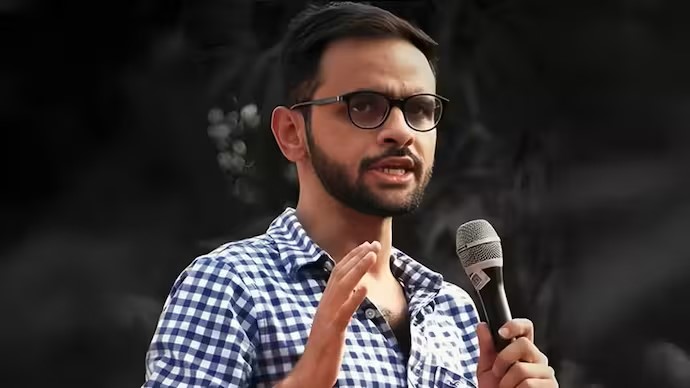
The Jawaharlal Nehru University Students’ Union (JNUSU) conducted a discussion on Umar Khalid’s book despite the cancellation of the originally booked venue. The event took place outside the School of Social Sciences-II (SSS-II) building at 3 pm on Monday, as initially scheduled. This discussion was intended to commemorate the International Day of the World’s Indigenous Peoples, according to announcements made by the students’ union.

University Cancels Original Venue Booking

The discussion was originally planned for the School of Social Sciences-I (SSS-I) auditorium, but the university authorities withdrew the permission, citing that “full facts” regarding the programme had not been disclosed. The abrupt cancellation led JNUSU to label the decision as “arbitrary and authoritarian,” stressing that the withdrawal of the venue would not hinder their plans to hold the discussion.

In a statement, the students’ union asserted that the cancellation of a room does not equate to the cancellation of a conversation. They emphasised that no administrative action could curtail students’ rights to “think, question, and discuss,” highlighting the importance of such dialogues within an academic setting.

Following the cancellation of the auditorium booking, JNUSU quickly adapted by announcing an alternative location for the discussion. They encouraged participation from students, faculty, and staff, confirming that the event would continue as planned.

Participation by Professors and Activists

The event featured esteemed speakers, including professors Prabhu Mahapatra and Uma Chakravarti, along with social activists Shuddhabrata Sengupta, Harsh Mander, and Banojyotsna. The gathering attracted a number of students and faculty members who expressed interest in the themes explored in Khalid’s work, “Fractured Communities: Adivasi Histories and the Politics of Power.”

Despite the change in venue and the earlier disruption, the discussion gathered a significant turnout, reflecting the strong commitment of the university community to engage in academic discourse. Participants explored the book’s themes and implications concerning indigenous histories and power dynamics in society.

The discussions not only provided an opportunity to delve into Khalid’s research but also fostered an environment for critical engagement among students and faculty. Such academic gatherings are essential for promoting dialogue within the university, especially on topics concerning social justice and equity.

Long or Short, get news the way you like. No ads. No redirections. Download Newspin and Stay Alert, The CSR Journal Mobile app, for fast, crisp, clean updates!

App Store –  https://apps.apple.com/in/app/newspin/id6746449540 

Google Play Store – https://play.google.com/store/apps/details?id=com.inventifweb.newspin&pcampaignid=web_share

Latest News

Popular Videos
