


Japan Continues to Preserve Ancient Temples Using Traditional Woodworking Techniques
The CSR Journal Magazine

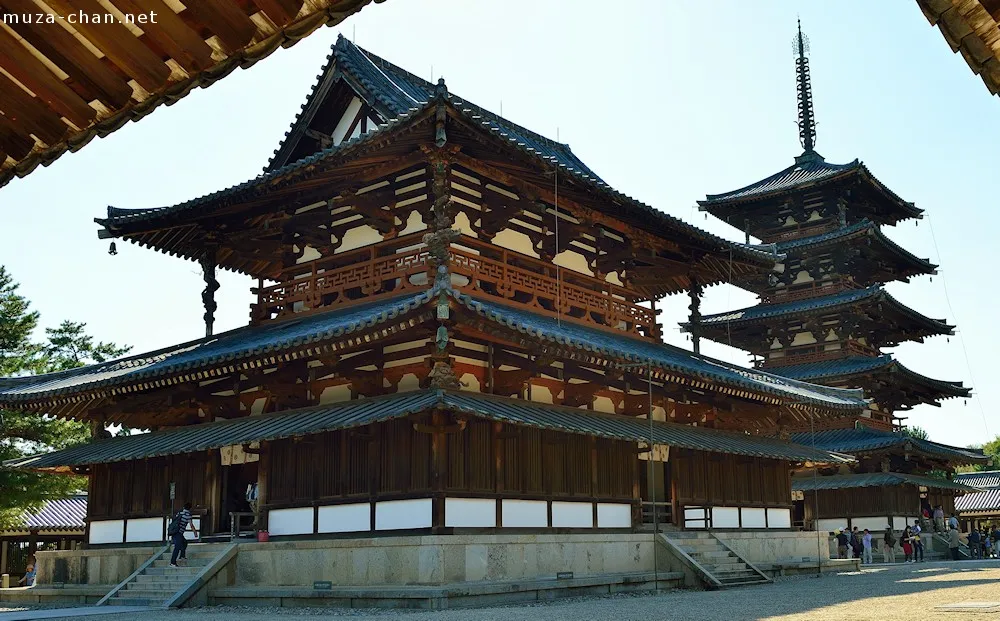
Japan has opted to maintain its centuries-old temples through a unique woodworking technique known as kigumi. This method involves carving wooden pieces that fit together without the use of nails or metal fasteners. Instead of applying modern construction materials, skilled craftsmen execute highly precise cuts to ensure that each piece interlocks perfectly, akin to assembling a complex puzzle.

Kigumi, a craft that has evolved over more than 1,000 years, is predominantly practised by expert carpenters referred to as miyadaiku. These artisans dedicate years to mastering the intricate joinery essential for both building and restoring traditional wooden structures, such as temples and shrines. The craftsmanship is characterised by an emphasis on hand-crafted details, ensuring a robust and durable framework.

The intricate nature of this technique enhances not just structural integrity but also aesthetic qualities, preserving the cultural heritage embedded in each historical site. The artisans’ attention to detail exemplifies how traditional methods can stand the test of time while accurately reflecting Japan’s rich history.

The Rationale Behind Avoiding Nails

The preference for traditional joinery techniques in Japan is not solely rooted in maintaining cultural traditions. The country is prone to frequent seismic activity, coupled with high humidity and substantial rainfall. The interlocking joints of wood can adapt to movements caused by earthquakes, effectively distributing mechanical stress across the structure. This quality significantly enhances a building’s resilience in the face of natural disasters.

Moreover, the absence of metal fasteners mitigates concerns regarding rust and corrosion. Over time, this leads to easier repairs and maintenance, extending the life of the wooden structures. The flexibility afforded by the kigumi approach makes it particularly suited to the challenges posed by Japan’s climate and geological conditions.

In addition to structural benefits, the lack of iron components emphasises the authenticity of these historic buildings. This contributes to their aesthetic allure and cultural significance, ensuring that visitors can appreciate the architectural legacy of Japan without the interference of modern materials.

Historic Craftsmanship That Endures

The tradition of miyadaiku is over a millennium old and remains essential in preserving Japan’s ancient temples and shrines. Although many of these wooden structures have faced natural adversities, they have survived, serving as testaments to the enduring nature of traditional craftsmanship. The skilled artisans continue to pass down their knowledge to new generations, ensuring that the techniques remain virtually unchanged.

This commitment to preservation allows Japan to retain its historical architecture while contemporaneously addressing modern challenges. The skills of miyadaiku extend beyond mere construction; they represent a dedication to safeguarding cultural heritage while simultaneously adapting to current environmental conditions.

The confluence of traditional methods and contemporary necessities illustrates how Japan successfully melds history with engineering expertise. Each meticulous joint not only supports the structure but also embodies centuries of knowledge and artistry, ensuring that Japan’s cultural narratives continue to resonate within these ancient buildings.

Long or Short, get news the way you like. No ads. No redirections. Download Newspin and Stay Alert, The CSR Journal Mobile app, for fast, crisp, clean updates!

App Store –  https://apps.apple.com/in/app/newspin/id6746449540 

Google Play Store – https://play.google.com/store/apps/details?id=com.inventifweb.newspin&pcampaignid=web_share

Latest News

Popular Videos
