


Indian Tech Professional Chiranjeevi Kolla Dies from Valley Fever After Month-Long ICU Battle
The CSR Journal Magazine

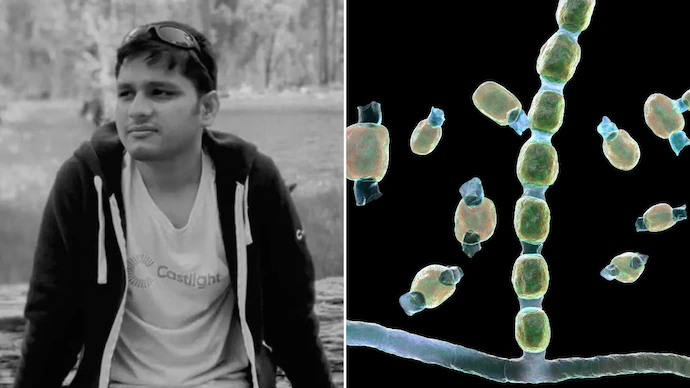
A 37-year-old Indian tech professional, Chiranjeevi Kolla, passed away on May 5 after a prolonged battle with Valley fever, a rare fungal infection. His family reported that he spent almost a month in intensive care prior to his death, highlighting the severe implications of this illness.

Kolla’s health deteriorated significantly, leading to respiratory failure. The fundraiser initiated by his family to support medical expenses indicates the critical nature of his condition. His passing marks a significant loss for those who knew him and has raised alarms about the awareness of such medical conditions among the broader public.

Understanding Valley Fever

Valley fever, clinically referred to as coccidioidomycosis, is caused by a fungus known as Coccidioides, which thrives in soil in arid areas, particularly in parts of California and Arizona. Infection occurs when individuals inhale the fungal spores dispersed into the air, often through activities that disturb the soil.

Kolla initially exhibited flu-like symptoms such as a persistent cough and fever. Medical providers initially suspected pneumonia; however, subsequent tests confirmed the presence of Valley fever. As his condition escalated, the infection severely impacted his lung function, leading to his eventual reliance on a ventilator.

While many individuals infected with Valley fever experience either no symptoms or mild manifestations, those with compromised immune systems or pre-existing health conditions may face severe complications. The illness is particularly challenging to identify early due to its symptom similarity to influenza or pneumonia.

Symptoms and Treatment of Valley Fever

Common indicators of Valley fever include fever, persistent cough, fatigue, chest pain, shortness of breath, and muscle or joint pain. These symptoms can often lead to misdiagnosis as they mimic more common respiratory illnesses. Doctors usually deploy antifungal medications for moderate to severe cases, though recovery may take several months.

Valley fever does not transmit from one person to another but is primarily linked to exposure to contaminated soil within specific regions in the United States. As recognised by the US Centers for Disease Control and Prevention (CDC), effective diagnosis typically involves blood tests aimed at detecting antibodies against the fungus, along with imaging tests such as chest X-rays or CT scans in certain cases.

Treatment for mild infections often allows for self-resolution within a timeframe of weeks to months. In contrast, severe cases that affect lungs or other organs require antifungal treatments, possibly extending beyond six months, often necessitating hospitalisation. Kolla’s experience serves as a reminder of the critical nature of this disease and the potential challenges in its early detection and effective treatment.

Legacy and Awareness of Valley Fever

Kolla is survived by his wife and young son, who are now grappling with his untimely demise. His death has spurred discussions about Valley fever, a condition that remains largely unknown outside the United States. The case underscores the need for greater awareness and understanding of this rare fungal infection.

As communities reflect on Kolla’s story, the importance of recognising symptoms and seeking timely medical advice is increasingly emphasised. Raising awareness around Valley fever could potentially save lives by ensuring that individuals are informed about the risks associated with this disease, particularly in affected regions.

Long or Short, get news the way you like. No ads. No redirections. Download Newspin and Stay Alert, The CSR Journal Mobile app, for fast, crisp, clean updates!

App Store –  https://apps.apple.com/in/app/newspin/id6746449540 

Google Play Store – https://play.google.com/store/apps/details?id=com.inventifweb.newspin&pcampaignid=web_share

Latest News

Popular Videos
