


Iran Refuses Talks With US Until Israeli Strikes in Lebanon and Gaza End, Calls Demand Non-Negotiable

The CSR Journal Magazine

Iran has announced that it will not engage in discussions with the United States unless Israeli airstrikes against Lebanon and Gaza cease. This statement reflects the Iranian government’s ongoing position regarding the conflict in the region, underlining its insistence on a halt to hostilities as a prerequisite for any diplomatic dialogue.

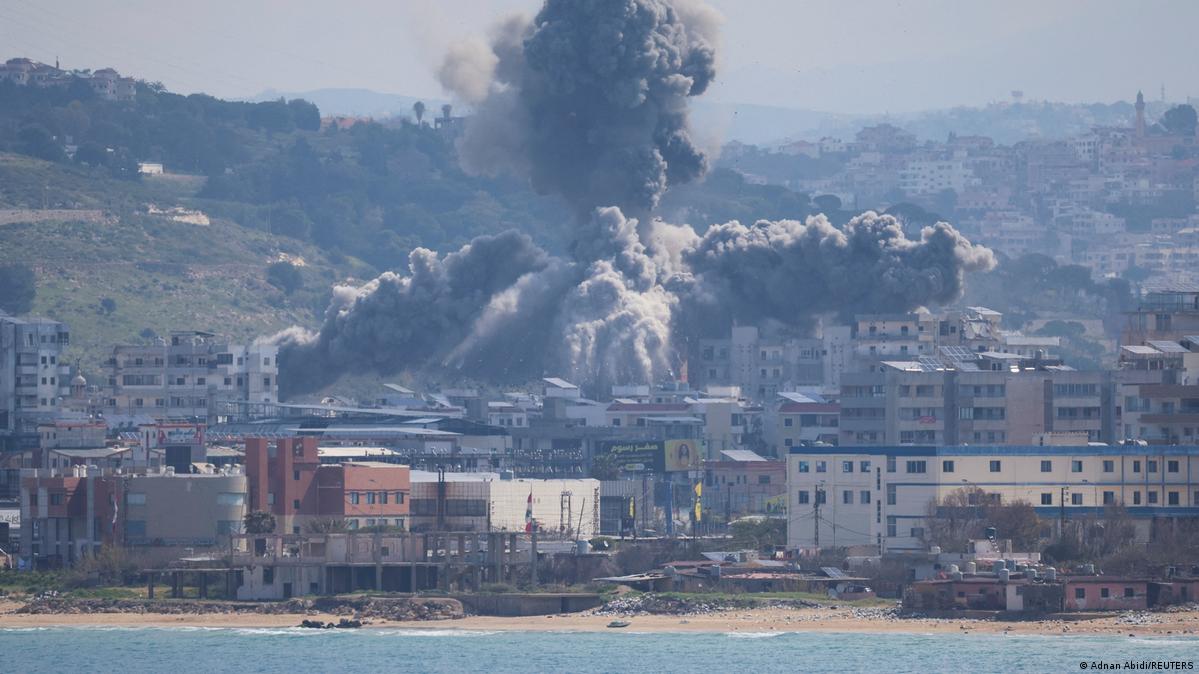
As tensions escalate in the Middle East, Iran’s statement comes amid a backdrop of increased military actions, particularly from Israel, which has been targeting various locations in Gaza and southern Lebanon. The Iranian administration has consistently condemned these strikes, labelling them as violations of international law and an affront to regional stability.

This position reinforces Iran’s commitment to supporting groups in the region, primarily those opposing Israeli actions. The Iranian leadership believes that these military actions exacerbate the existing conflicts and hinder the peace process in the area.

International Reactions and Implications

The global community is closely monitoring the situation, as the potential for further escalation exists if diplomatic efforts stall. Iran’s refusal to engage in talks with the US without a complete cessation of Israeli operations adds to the complexity of international diplomatic relations. Observers note that this makes it significantly more challenging for Western nations to address peace negotiations in the ongoing conflict.

Key allies of Iran have also expressed their concerns regarding Israeli actions, advocating for increased dialogue among conflicting parties. The reaction from the US government remains to be seen, as officials may need to reassess their strategies in light of Iran’s firm stance. Historically, US-Iran relations have been fraught with tension, and this latest development adds another layer to the complicated diplomatic landscape.

Overall, the response to Iran’s announcement could shape future discussions on a broader scale, potentially influencing negotiations beyond just the US and Iran. The situation underlines the intricate web of alliances and rivalries in the Middle East, which complicates the matter further.

Situation on the Ground in Gaza and Lebanon

Reports from the region highlight ongoing military activities, with significant casualties and damage being reported in both Gaza and Lebanon. Humanitarian organisations have raised alarms about the dire conditions faced by civilians caught in the crossfire. Aid groups are calling for an urgent ceasefire to facilitate the delivery of necessary supplies to affected populations.

The situation on the ground remains fluid, with each day bringing new developments. Local sources indicate that while airstrikes continue, resistance movements in both regions are also responding actively, which may lead to further confrontations. The cycle of violence shows no immediate signs of abating, leading many to speculate about the ramifications of entrenched hostilities.

In this context, Iran’s position could influence both the military and diplomatic responses from various actors involved. It remains essential for stakeholders within the international community to engage with both regional powers and local leaders to forge pathways towards peace and stability.

Long or Short, get news the way you like. No ads. No redirections. Download Newspin and Stay Alert, The CSR Journal Mobile app, for fast, crisp, clean updates!

App Store –  https://apps.apple.com/in/app/newspin/id6746449540 

Google Play Store – https://play.google.com/store/apps/details?id=com.inventifweb.newspin&pcampaignid=web_share

Latest News

Popular Videos