


Gold, Silver Imports To Get Costlier As Govt Raises Import Duty To 15%
The CSR Journal Magazine

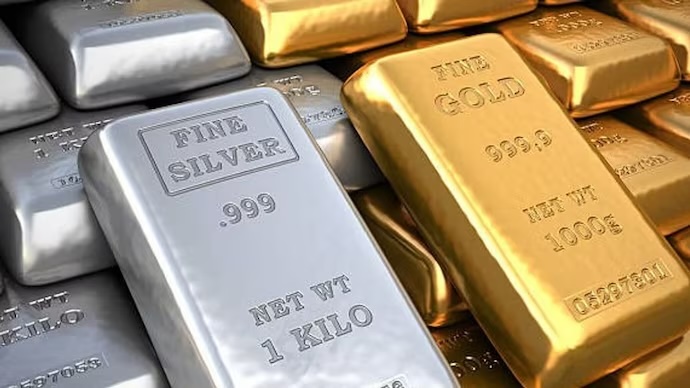
India has sharply increased import duties on gold, silver and several other precious metals, raising the effective levy to 15% from the earlier 6% in a move aimed at curbing soaring imports and easing pressure on the country’s foreign exchange reserves.

A notification issued by the Finance Ministry on Wednesday said the revised structure includes a 10% basic customs duty along with a 5% Agriculture Infrastructure and Development Cess (AIDC) on imports of gold and silver. The new rates came into effect on May 13, 2026.

The move is expected to significantly increase the cost of importing precious metals into the country, impacting jewellers, bullion traders and consumers alike at a time when gold prices are already hovering near record highs.

Govt Tightens Precious Metal Import Rules

The Department of Revenue notification amends earlier customs notifications issued in 2018 and 2021 and applies not only to gold and silver but also to platinum, jewellery findings and certain industrial imports linked to precious metals.

The Centre has also withdrawn some concessional benefits available under quota arrangements. Gold imported from the United Arab Emirates under the fixed-quantity quota system, which previously enjoyed lower duties, will now face higher import taxes.

In another key change, the government revised customs duties on jewellery “findings” – small components used in jewellery manufacturing such as hooks, clasps, clamps, pins and screw backs. Gold and silver findings will now attract 5% customs duty, while platinum findings will face a 5.4% levy.

The notification further modified concessional provisions for imports of spent catalysts and ash containing precious metals used for recovery and recycling. Such imports will now attract a concessional customs duty of 4.35%, subject to specified compliance conditions.

The duty hike comes amid growing concerns over India’s widening trade deficit and rising outflow of foreign exchange due to elevated gold imports.

PM Modi Calls For Austerity Amid West Asia Tensions

The government’s move also comes against the backdrop of escalating tensions in West Asia and growing global economic uncertainty. PM Modi recently urged citizens to adopt austerity measures, including postponing gold purchases and reducing unnecessary foreign travel, to help protect the Indian economy from external shocks.

Addressing concerns over the impact of geopolitical tensions on fuel prices, imports and the broader economy, PM Modi appealed to people to avoid excessive spending and use fuel judiciously.

India’s gold imports have surged sharply over the past few years despite elevated prices. Official data shows gold imports rose more than 24% to a record $71.98 billion during 2025-26, up from $58 billion in 2024-25.

Imports stood at $45.54 billion in 2023-24 and $35 billion in 2022-23, reflecting the growing value of inbound shipments.

However, in volume terms, imports actually declined. India imported 721.03 tonnes of gold in 2025-26, compared with 757.09 tonnes in the previous fiscal year, indicating that the spike was largely driven by higher prices rather than increased consumption.

Rising Gold Prices Add Pressure On Trade Deficit

According to the commerce ministry, gold prices climbed sharply from $76,617.48 per kilogram in FY25 to $99,825.38 per kilogram in FY26. In Delhi, gold prices are currently hovering around Rs 1.5 lakh per 10 grams after breaching the Rs 1 lakh mark for the first time in April last year.

India remains the world’s second-largest consumer of gold after China, with demand primarily driven by the jewellery sector and festive purchases. Gold is also widely viewed as a safe-haven asset during periods of geopolitical uncertainty, often leading to increased buying during crises.

The surge in imports has intensified pressure on India’s trade balance. The country’s trade deficit widened to $333.2 billion during 2025-26, while the current account deficit also expanded.

Reserve Bank of India data released earlier this year showed India’s current account deficit rose to $13.2 billion, or 1.3% of GDP, in the December quarter, compared with $11.3 billion a year earlier, largely due to a higher merchandise trade deficit.

Gold now accounts for more than 9% of India’s total imports, which stood at $775 billion during 2025-26.

Switzerland continues to remain India’s largest source of gold imports with nearly a 40% share, followed by the United Arab Emirates at over 16% and South Africa at around 10%.

Long or Short, get news the way you like. No ads. No redirections. Download Newspin and Stay Alert, The CSR Journal Mobile app, for fast, crisp, clean updates!

App Store –  https://apps.apple.com/in/app/newspin/id6746449540 

Google Play Store – https://play.google.com/store/apps/details?id=com.inventifweb.newspin&pcampaignid=web_share

Latest News

Popular Videos
