


India Raises Customs Duty on Gold, Silver to 15%, Triggering Price Surge
The CSR Journal Magazine

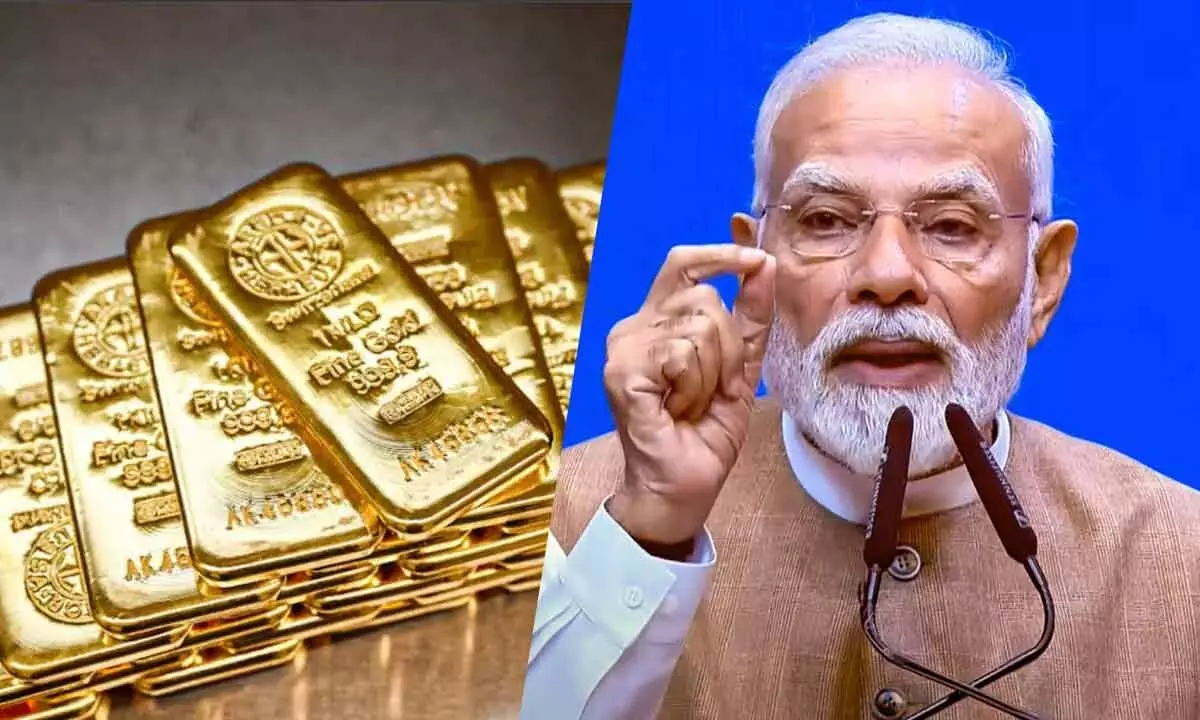
The Government of India has raised the effective import customs duty on gold and silver from approximately six per cent to fifteen per cent, comprising a ten per cent Basic Customs Duty and five per cent Agricultural Infrastructure and Development Cess (AIDC). This increase is particularly significant as India relies heavily on imports to meet its gold and silver demands, consequently elevating the costs for consumers within the domestic market.

The hike in customs duty led to an immediate surge in prices for both gold and silver on the Multi Commodity Exchange (MCX). Following the announcement, MCX gold futures experienced a rise between six to seven per cent, while silver futures increased by around six to eight per cent. This swift response indicates how the new duty structure is impacting market dynamics, especially as local prices start trading higher in relation to international benchmarks.

Factors Influencing Price Dynamics on MCX

The pricing mechanism for MCX typically involves several components: the international price of metals, the USD to INR exchange rate, import duties, taxes, and the prevailing premium. Consequently, even if international markets, such as COMEX or LBMA, remain stable, a mere increase in customs duty can lead to heightened prices on MCX. This adjustment mechanism ensures that domestic prices reflect international costs coupled with added import expenses.

In the short term, the repercussions of this duty change may result in heightened premiums within the domestic market. Factors such as profit booking might also come into play, with potential demand slowing as jewellers reassess purchases in light of increased prices. While immediate reactions suggest a bullish trend in futures pricing, long-term demand could be affected as consumers adjust their purchasing behaviours to cope with escalated costs.

The interplay between strong domestic premiums, short covering volatility, and widening arbitrage between MCX and COMEX will significantly influence how prices evolve following this duty increase. Moreover, there is a possibility that higher prices may lead to a cooling-off period for physical premiums, indicating potential adjustments in buying trends in the coming weeks.

Long-Term Implications of Increased Customs Duty

The rise in customs duty on gold and silver may have broader implications for market dynamics in the medium term. Higher import duties could potentially reduce the volume of officially imported bullion, which could positively influence the Indian rupee and address current account deficits. Nonetheless, a slowdown in jewellery demand could inadvertently increase the inclination toward illegal smuggling as consumers seek to circumvent higher costs.

Industry experts will be closely monitoring how this change impacts overall consumption patterns, particularly in the jewellery sector, which is traditionally a significant driver of gold demand in India. A decrease in official imports may not only affect market supply but also introduce more volatility in pricing as illegal channels gain traction. The balance between official and unofficial markets will be crucial in determining the future landscape for gold and silver in India.

As these market adjustments unfold, stakeholders, including manufacturers and retailers, will need to strategise around these changes. Keeping abreast of the evolving situation will be critical for all parties involved, from traders to consumers, as they navigate the increasingly complex dynamics introduced by these new customs duties.

Long or Short, get news the way you like. No ads. No redirections. Download Newspin and Stay Alert, The CSR Journal Mobile app, for fast, crisp, clean updates!

App Store –  https://apps.apple.com/in/app/newspin/id6746449540 

Google Play Store – https://play.google.com/store/apps/details?id=com.inventifweb.newspin&pcampaignid=web_share

Latest News

Popular Videos
