


Fire Incident in Delhi Highlights Need for Improved Burn Care Facilities
The CSR Journal Magazine

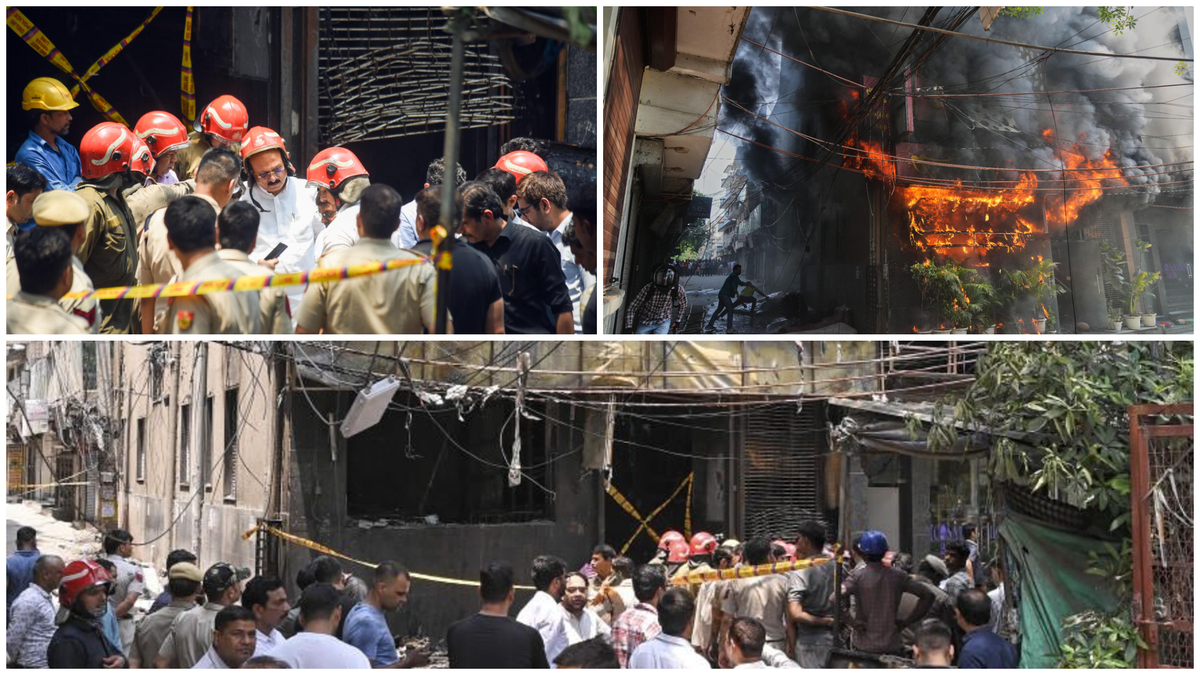
The recent fire at a bed-and-breakfast in the Malviya Nagar area of Delhi, which resulted in the deaths of at least 21 individuals, underscores the significant deficiencies in India’s burn-care infrastructure. Many of the victims were initially taken to Max Hospital in Saket, while one patient with severe burns was subsequently stabilised and transferred to Safdarjung Hospital for specialised treatment. This incident has raised questions regarding the adequacy of facilities available for burn victims in the country.

At Max Hospital, doctors reported treating multiple burn victims, many of whom suffered not only from burns but also from smoke inhalation and trauma inflicted during the chaotic evacuation. According to Dr. Sandeep Budhiraja, Group Medical Director at Max Healthcare, at present, 15 patients are admitted to the ICU, with eight of them requiring ventilator support. Five patients with minor injuries have been treated and discharged, revealing the overwhelming nature of the incident.

Dr. Budhiraja noted that a critically injured patient with around 25 per cent burns had to be transferred to Safdarjung Hospital, as Max Healthcare typically only accommodates patients with less than 10 per cent burns in their unit. The limited capacity for advanced burn treatment in conventional ICUs stresses the urgent need for ongoing reform in burn care services.

Significance of the 10 Per Cent Burn Threshold

Medical experts emphasise that when burns exceed 10 per cent of the Total Body Surface Area (TBSA), the body undergoes significant physiological changes. Dr. Sandeep Dewan, Senior Director and Head of Critical Care Medicine at Fortis Memorial Research Institute, explained that patients with extensive burns require specialised units and are typically not managed in standard ICUs. The skin, as the primary barrier of protection for the body, becomes compromised, leading to rapid fluid loss and an increased risk of infections and complications.

Burn patients necessitate comprehensive care that includes specialised wound treatment, continuous monitoring, nutritional support, and often, multiple surgeries over extended periods. The medical guidelines highlight that injuries covering more than 10 per cent TBSA pose significant challenges, demanding aggressive interventions such as fluid resuscitation and meticulous infection management.

Addressing the complexity of these injuries, Dr. Dewan elaborated on how regular ICUs lack the necessary infrastructure and interdisciplinary teams required for extensive burn management, compounding the difficulties faced by patients who often develop serious complications following initial treatment.

The Importance and Design of Burn ICUs

A major hurdle in treating burn victims is the prevention of infections, as damaged skin fails to serve its crucial barrier function. Dedicated burn units are constructed with infection-control measures and staff trained specifically in burn management to effectively handle these cases. The primary threats to burn patients are often the complications such as sepsis or organ failure rather than the burns themselves.

The Malviya Nagar tragedy has highlighted the hidden dangers of smoke inhalation, which can severely impair lung function and escalate the severity of injuries. Victims can experience life-threatening respiratory issues even when external burns appear minimal. Medical assessments consider the overall impact of burns, focusing on their percentage, location, and any inhalation injuries sustained.

In addition to immediate medical care, rehabilitation and psychological support are vital for patients attempting to recover from the physical and emotional toll of burn injuries. Unfortunately, India faces a considerable shortage of dedicated burn units, with only 67 centres catering to an estimated one million burn injuries annually, highlighting an urgent need for improved infrastructure to better support affected individuals.

Long or Short, get news the way you like. No ads. No redirections. Download Newspin and Stay Alert, The CSR Journal Mobile app, for fast, crisp, clean updates!

App Store –  https://apps.apple.com/in/app/newspin/id6746449540 

Google Play Store – https://play.google.com/store/apps/details?id=com.inventifweb.newspin&pcampaignid=web_share

Latest News

Popular Videos
