


Elon Musk Aims to Deploy Robots on the Moon for SpaceX Factories
The CSR Journal Magazine

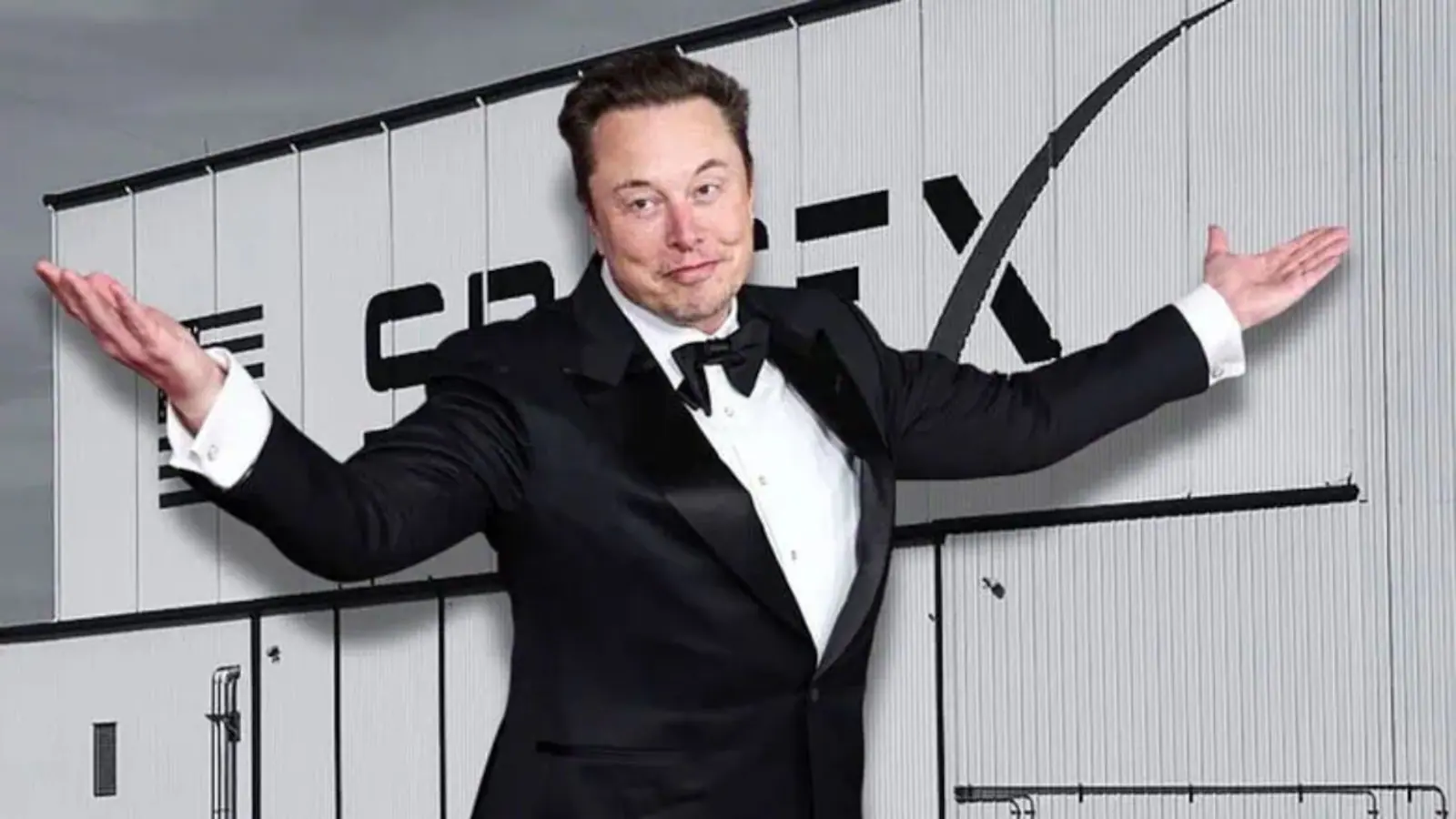
Elon Musk has proposed a novel concept of utilising humanoid robots on the Moon to construct factories, building on his previous vision of data centres in space. During the recent earnings call for SpaceX, Musk detailed this initiative, suggesting that it could enable the company to potentially scale its operations up to 1,000 times the current economic capacity on Earth. He emphasized that while the idea may seem far-fetched presently, it is an inevitable reality.

Within the broader context, Musk also shared plans for transforming Starlink into a mobile service within the United States. This move, alongside lunar development, signals SpaceX’s ambition to expand its technological footprint beyond Earth.

Advantages of Lunar Infrastructure

The rationale behind establishing factories on the Moon aligns with the goals of building orbital data centres. Musk pointed out that such facilities would require fewer resources for cooling and could operate without human oversight. Furthermore, he likened SpaceX’s autonomous satellites to robots, highlighting their capability to function without regular maintenance.

Musk stated that the Moon-based robots could assist in constructing a mass accelerator with solar energy capabilities. This mass accelerator would essentially facilitate the launch of cargo from the lunar surface without relying on traditional rockets, presenting a revolutionary approach to space logistics.

Despite the innovative nature of this idea, Musk admitted that it might sound “totally nuts” at this point, acknowledging the challenges associated with such an ambitious venture. While SpaceX has sketched out plans for humanoid robots to manage basic infrastructure, equipment upkeep, and resource processing, specifics regarding timelines or the level of investment required remain unspecified.

Recent Developments in SpaceX’s Initiatives

In a related development, a discarded upper stage of a SpaceX Falcon 9 rocket is suspected to have impacted the Moon recently. This stage had been drifting in space for over a year after being released during a January 2025 mission that launched Firefly’s Blue Ghost and ispace’s Hakuto-R lunar landers.

Additionally, SpaceX unveiled a partnership with Nvidia to design orbital data centres. The collaboration aims to develop the Starmind AI-1 payload, which is destined to serve as a satellite data centre. By leveraging Nvidia’s latest Rubin GPUs and Vera CPUs, SpaceX plans to enhance its satellite computing capacity to 250 kW.

SpaceX anticipates launching the Starmind satellites next year. Musk confirmed that the AI initiatives at SpaceX will exclusively utilise Nvidia systems, asserting the superiority of the Vera Rubin architecture for AI computations. He articulated the company’s commitment to a close partnership with Nvidia across various dimensions.

Long or Short, get news the way you like. No ads. No redirections. Download Newspin and Stay Alert, The CSR Journal Mobile app, for fast, crisp, clean updates!

App Store –  https://apps.apple.com/in/app/newspin/id6746449540 

Google Play Store – https://play.google.com/store/apps/details?id=com.inventifweb.newspin&pcampaignid=web_share

Latest News

Popular Videos
