


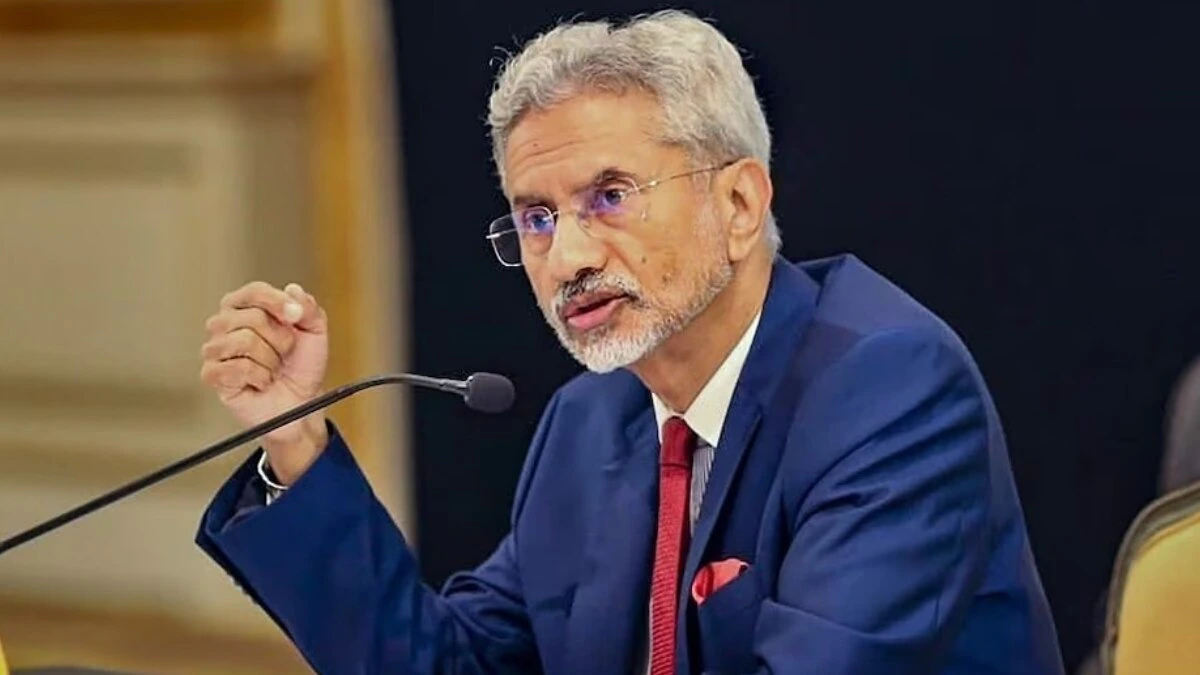

External Affairs Minister S. Jaishankar has defended India’s energy procurement choices, particularly its decision to import Russian crude oil. He emphasised that these choices prioritised national interest while fulfilling a crucial global economic function. During a discussion in Finland, Jaishankar stated that India’s decisions contributed to stabilising international energy supplies, aligning with concerns expressed by the United States regarding rising oil prices.
Jaishankar’s remarks came during the Kultaranta Talks, where he addressed various aspects of global energy dynamics. He noted that the United States had specifically requested India to purchase Russian oil to mitigate a potential crisis in oil markets at that time. The minister’s comments offered a factual illustration of the complexities surrounding India’s energy strategy in the contemporary geopolitical landscape.
From the onset of the Ukraine conflict and subsequent sanctions on Russia, Indian officials have articulated a carefully balanced diplomatic approach. This strategy has allowed India to maintain its energy security while navigating disruptions caused by shifts in European purchasing behaviours. The minister’s comments reflect a calculated effort to defend India’s choices against criticism regarding its stance on the Russia-Ukraine conflict.
Addressing Criticism of India’s Oil Purchases
In response to a journalist’s critique of India’s alleged excessive sympathy for Russia, Jaishankar clarified the rationale behind the nation’s oil acquisitions. He explained that the choice of securing Russian oil was predominantly driven by factors such as availability and cost. As European countries redirected their focus towards the Middle East to secure oil supplies, Russian crude became more accessible in the broader market.
The External Affairs Minister explained that the geopolitical situation compelled India’s decisions, stating, “Circumstances pushed us in a certain direction.” His remarks aimed to illuminate the context within which India made these energy procurement choices, stressing that the current dynamics were influenced by external market factors rather than a unilateral approach to diplomacy.
Jaishankar further tackled the delicate issue of double standards often directed at India with respect to its energy capabilities. He highlighted the historical patterns of arms supply and military actions between India and European countries, asserting that India’s record is without blemish in terms of military aggression. This emphasised India’s long-standing commitment to international peace and security.
India’s Energy Partnerships and Global Role
Jaishankar confirmed that while Russia constitutes a significant supplier of crude oil to India, the United States has emerged as the leading source of natural gas. This diversification reflects New Delhi’s ongoing efforts to establish a well-rounded energy portfolio. The minister noted that the global market is undergoing shifts aimed at reducing reliance on specific regions, particularly the Gulf.
In his address, Jaishankar also drew attention to the shifting narratives among Western nations, which initially encouraged India to buy Russian oil for market stability, only to later impose tariffs on the imports. This reversal exemplified the intricate nature of geopolitical dealings and the selective morality often directed towards India’s energy policy.
Emphasising that India’s approach to energy procurement is tightly aligned with its national priorities, Jaishankar reaffirmed the country’s commitment to securing its energy needs while resisting unilateral pressure to comply with sanctions. By increasing its intake of Russian oil as Western nations withdrew, India not only safeguarded its consumers from inflation but also contributed significantly to stabilising global oil supplies in recent years.