


India Launches Campaign for UNSC 2028-29 With Shanti Theme
The CSR Journal Magazine

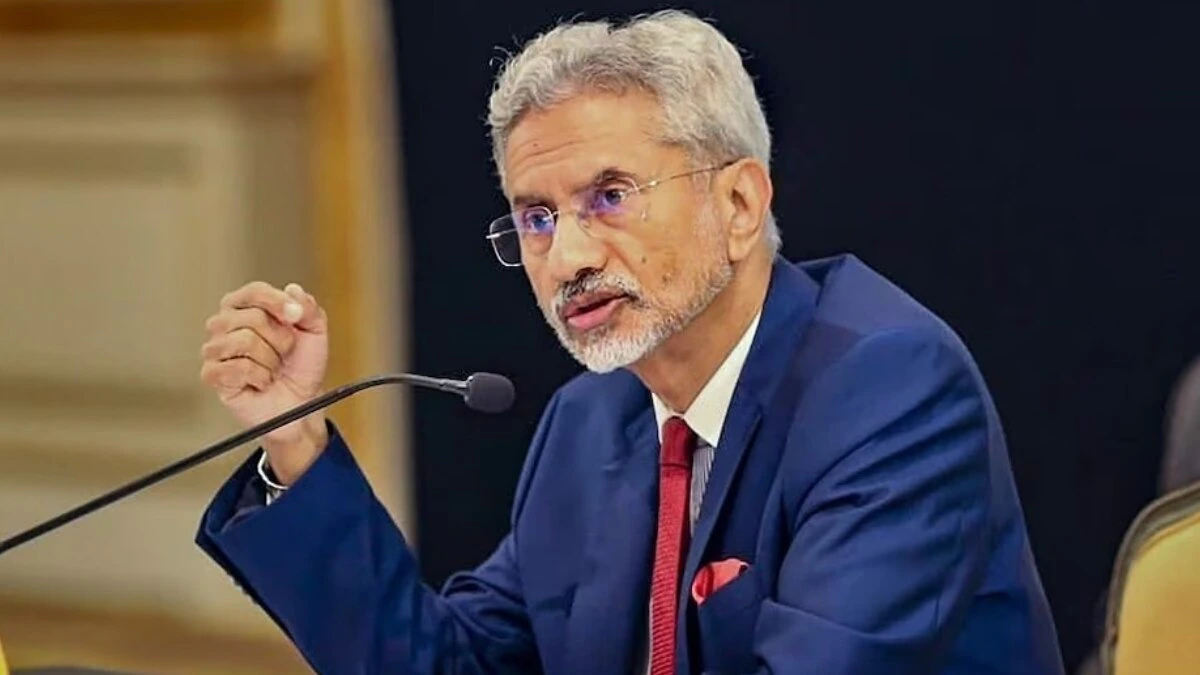
India has officially commenced its campaign for a non-permanent seat on the United Nations Security Council for the 2028-29 term. The announcement was made by External Affairs Minister S Jaishankar during a dedicated event at the United Nations headquarters on July 13, 2026. The campaign, titled ‘Shanti: India for the United Nations Security Council 2028-29. Norms, Trust, Integrity’, was presented in front of UN ambassadors, diplomats, and officials.

The theme ‘SHANTI’, which stands for Securing Holistic Advancement through Norms, Trust, Integrity, outlines India’s approach to fostering peace and stability within the UN framework. This campaign represents India’s commitment to contribute significantly to the Security Council’s efforts.

Context of the Upcoming Elections

Elections for the non-permanent seat will occur in June 2027, with India set to compete against Tajikistan for the Asia-Pacific Group position. India’s term was most recently from 2021 to 2022, and this campaign is aimed at reinforcing its bid for a return to the council.

Jaishankar is expected to meet with UN Secretary-General Antonio Guterres following the campaign launch. His visit to New York follows a regional tour that included Qatar, Bahrain, Kuwait, and Oman from July 5 to 10. After the UN engagements, he will travel to Brussels for discussions regarding the 3rd India-EU Trade and Technology Council meeting on July 14 and 15.

Various global challenges, such as the conflict in Ukraine, the situation in Gaza, and tensions involving the US and Israel against Iran, are influencing the backdrop of the upcoming elections. Prime Minister Narendra Modi recently commented on the rapid changes in the global order, emphasising that developing nations, including India, are advocating for equal stakes and a more prominent role in international discussions.

Advocacy for United Nations Reforms

India has consistently advocated for reform within the United Nations Security Council, focusing on the need for both permanent and non-permanent member expansions. Citing that the Security Council, originally established in 1945, no longer adequately represents current geopolitical dynamics, India’s stance is that such reforms cannot be postponed. The government argues that simply increasing the number of non-permanent members will not address the underlying inequities associated with decision-making power within the council.

Permanent Representative to the UN, Ambassador Harish Parvathaneni, recently expressed concerns regarding the slow progression of reform initiatives, indicating that the ‘nothing is agreed until everything is agreed’ approach has been used by status-quo supporters to reinforce existing imbalances. He warned that reforms tied solely to the non-permanent category would fundamentally fail to alter the concentration of power among the five permanent members.

India’s campaign signifies a formal and determined effort to reclaim its position on the Security Council while continuing to advocate for meaningful reforms in the UN’s decision-making processes. The clarion call for a more representative and equitable framework indicates India’s persistent engagement and leadership role on the global stage.

Long or Short, get news the way you like. No ads. No redirections. Download Newspin and Stay Alert, The CSR Journal Mobile app, for fast, crisp, clean updates!

App Store –  https://apps.apple.com/in/app/newspin/id6746449540 

Google Play Store – https://play.google.com/store/apps/details?id=com.inventifweb.newspin&pcampaignid=web_share

Latest News

Popular Videos
