


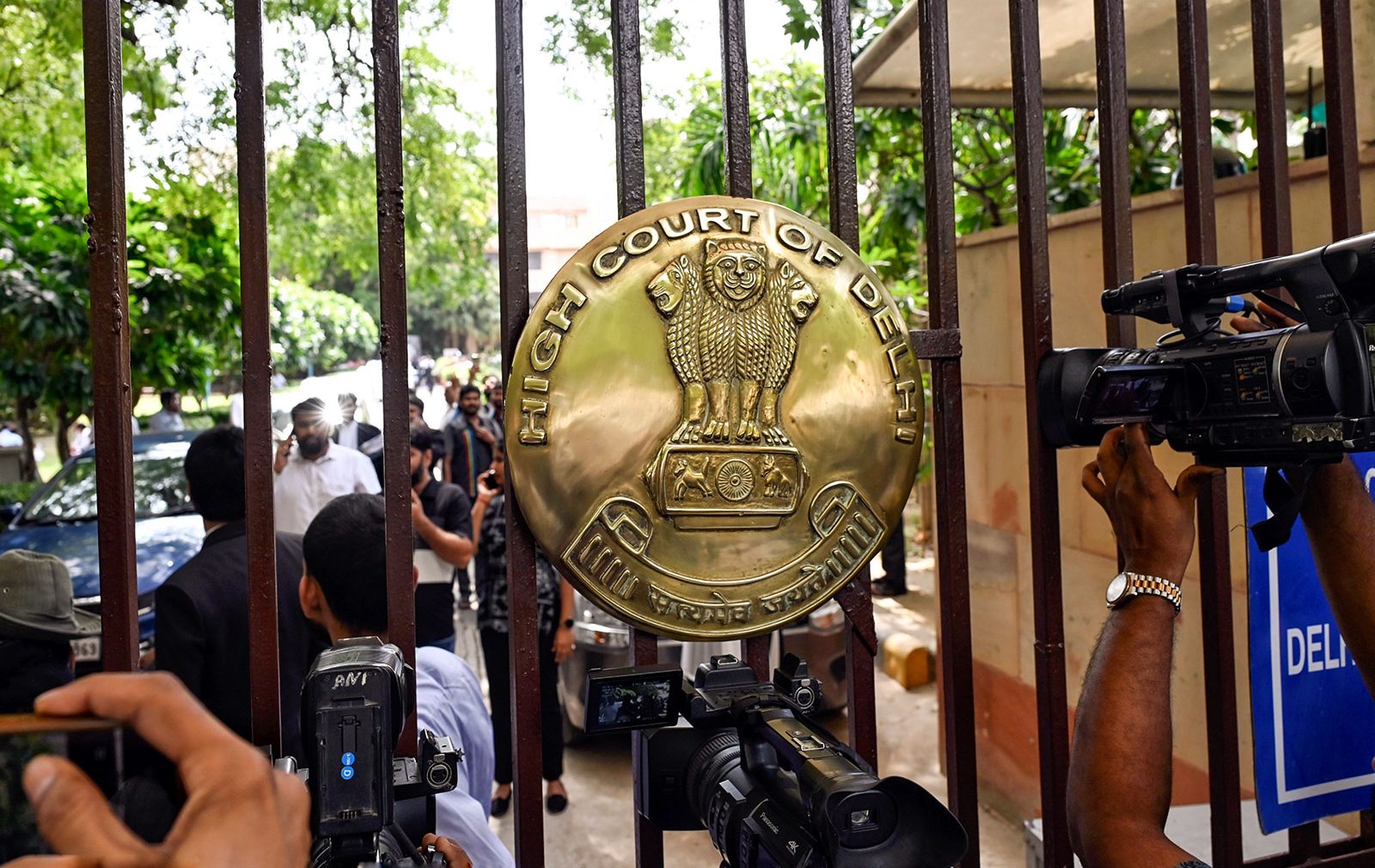
Delhi High Court Questions Police Regarding Protest Procedures
The CSR Journal Magazine

The Delhi High Court recently inquired whether the Delhi Police has established a Standard Operating Procedure (SOP) for managing protests, as mandated by the Supreme Court. This question arose during a public interest litigation (PIL) that claims the police engaged in surveillance of protesters at Jantar Mantar. The PIL was submitted by Aishe Ghosh, a student leader from Jawaharlal Nehru University (JNU), and highlights concerns regarding the alleged monitoring of participants in the ongoing protests led by climate activist Sonam Wangchuk.

Government’s Justification for Videography at Protests

During the court proceedings, Solicitor General Tushar Mehta, representing the Central Government, defended the practice of videography at protest sites. Mehta asserted that the purpose of recording activities is solely to uphold law and order. According to him, protests are a common occurrence at Jantar Mantar, with numerous individuals taking videos that often gain significant attention on social media platforms. He insisted that the use of videography does not constitute surveillance or intrusion into personal privacy.

The Division Bench, comprising Chief Justice Devendra Kumar Upadhyaya and Justice Tejas Karia, pressed for clarification on whether the Delhi Police has developed any SOP compliant with the Supreme Court’s directives. These directives stem from the landmark judgment concerning the Mazdoor Kisan Shakti Sangathan (MKSS), which offers guidelines for managing protests while safeguarding the fundamental right to peaceful demonstration. The Bench directed the relevant authorities to respond to these concerns during the next hearing.

The current hearings also encompass an appeal filed by Gitanjali J Angmo, who is the spouse of Sonam Wangchuk. Angmo is contesting the earlier decision that denied Wangchuk’s transfer from Safdarjung Hospital to a private medical facility of his choice. Both cases are set to be revisited on Tuesday.

Recent Developments in the Ongoing Protests

Earlier on July 17, 2023, Sonam Wangchuk was transported from Jantar Mantar to Safdarjung Hospital by the Delhi Police to receive essential medical care. This action stemmed from a High Court order following Wangchuk’s hunger strike, which has now entered its twenty-first day, having begun on July 18. The HC’s involvement underscores the growing urgency surrounding this issue and the well-being of the activist amidst the protests.

The context of the protests is crucial, as they reflect broader societal concerns, particularly regarding climate change and environmental policies in India. Participants, including those affiliated with the Cockroach Janta Party (CJP), have been vocal about the need for more robust action from the government. The ongoing situation at Jantar Mantar has captured significant public and media attention, further complicating how authorities handle dissent and public expression.

The necessity for a clear framework on acceptable practices during protests remains a pivotal point of discussion. Both the court and the government are tasked with finding a balance between ensuring public safety and preserving individual rights to protest. As the next hearing approaches, the implications of any decisions made will likely influence future engagements between citizens and law enforcement during similar events.

Long or Short, get news the way you like. No ads. No redirections. Download Newspin and Stay Alert, The CSR Journal Mobile app, for fast, crisp, clean updates!

App Store –  https://apps.apple.com/in/app/newspin/id6746449540 

Google Play Store – https://play.google.com/store/apps/details?id=com.inventifweb.newspin&pcampaignid=web_share

Latest News

Popular Videos
