


Bangladesh Demands Speedy Extradition of Sheikh Hasina in Meeting with Indian Envoy
The CSR Journal Magazine

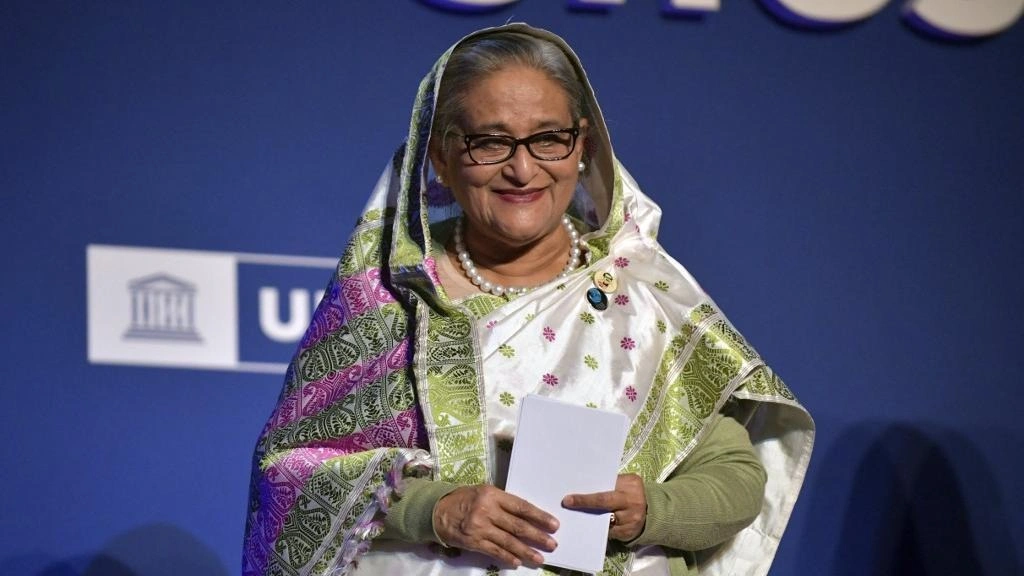
The meeting between India’s High Commissioner to Bangladesh, Dinesh Trivedi, and the Bangladeshi Prime Minister, Tarique Rahman, held on August 10, focused on the extradition process for former Prime Minister Sheikh Hasina, who was removed from office in 2024. The interaction took place at the Prime Minister’s Office in the Cabinet Division, reflecting ongoing diplomatic dialogues amid tensions between the two nations.

During this meeting, Trivedi shared insights from his past two months in Dhaka and was welcomed warmly by the Prime Minister. The discussions lingered on crucial bilateral issues, particularly in light of Sheikh Hasina’s recent public comments made during her visit to India, which have reportedly heightened diplomatic disputes between Bangladesh and India.

Extradition and Return of Alleged Offenders

According to a statement released by the Prime Minister’s Office, Bangladesh expressed its hope that India would hasten Sheikh Hasina’s extradition. Additionally, Dhaka reiterated its request for the return of individuals allegedly connected to the assassination of Shahid Osman Hadi, a significant figure behind the protests in July 2024. Hadi was reportedly shot on December 12, 2025, prompting calls for justice from the Bangladeshi government.

Tarique Rahman underscored the essential need to foster a conducive environment for advancing Bangladesh-India relations. The meeting was attended by key officials, including Foreign Minister Khalilur Rahman and Prime Minister’s Foreign Affairs Adviser Humayun Kabir, indicating the importance of the dialogue at the highest levels of government.

This discussion between Trivedi and Rahman occurs against a backdrop of recent diplomatic friction, particularly in light of Hasina’s remarks made during a press interaction in New Delhi on August 5. The meeting drew significant attention and led to a swift response from Dhaka regarding its stance on the comments made.

Diplomatic Reactions and Media Engagements

Sheikh Hasina, in her address during the media engagement, conveyed her determination to return to Bangladesh in December to restore democratic governance. She acknowledged the serious risks she might face, including potential imprisonment or worse, upon her return. This declaration reportedly did not sit well with the Bangladeshi authorities, leading to a formal protest from the Ministry of Foreign Affairs.

The Ministry’s response highlighted that Hasina’s comments have negatively affected public sentiment and complicate ongoing efforts to strengthen cooperation between the two nations. They were particularly concerned about how her statements could impact bilateral relations, given the sensitive nature of the discussions surrounding her extradition.

In contrast, the Indian government distanced itself from Hasina’s interaction in New Delhi. Ministry of External Affairs spokesperson Randhir Jaiswal clarified that the event was organised by a private media entity and emphasized that there was no official endorsement of the views expressed during the session. Jaiswal stated that the Indian government had no involvement in the incident, further illustrating the complexities within the diplomatic landscape.

Long or Short, get news the way you like. No ads. No redirections. Download Newspin and Stay Alert, The CSR Journal Mobile app, for fast, crisp, clean updates!

App Store –  https://apps.apple.com/in/app/newspin/id6746449540 

Google Play Store – https://play.google.com/store/apps/details?id=com.inventifweb.newspin&pcampaignid=web_share

Latest News

Popular Videos
