


Centre Expands E-Visa Entry Points to 88 With 11 New International Ports
The CSR Journal Magazine

The Ministry of Home Affairs (MHA) has announced the addition of 11 new international ports to facilitate the entry of foreign nationals holding e-visas. This recent move raises the total number of such ports in India to 88. Among the newly included ports, there are nine land ports and two airports. The land ports are located in Agartala, Darranga, Gede, Ghojadanga, Haridaspur, Jaigaon, Dawki, Moreh, and Attari, while the airports are in Bhopal and Tirupati.

The MHA emphasised that this enhancement significantly enriches the utility of electronic visas, which are now available at numerous entry points. India’s efforts are reflected in the quick processing of e-visa applications; nearly 95 per cent are processed in under 72 hours. This timely facilitation aims to encourage more foreign visitors to travel to the country.

The notification for these ports has been issued on multiple occasions beginning from January 1, 2026, until the present date. The inclusion of these ports marks an important expansion of the facilities available for tourists and business travellers entering India via e-visa.

Overview of Available International Ports

The total of 88 international ports includes 37 airports, 38 seaports, and 13 land ports across various states in India. Several major Indian cities serve as international air entry points, such as Ahmedabad, Amritsar, Bengaluru, Chennai, and Mumbai, among others. Notably, the airport designations include popular travel hubs that accommodate a significant volume of international flights.

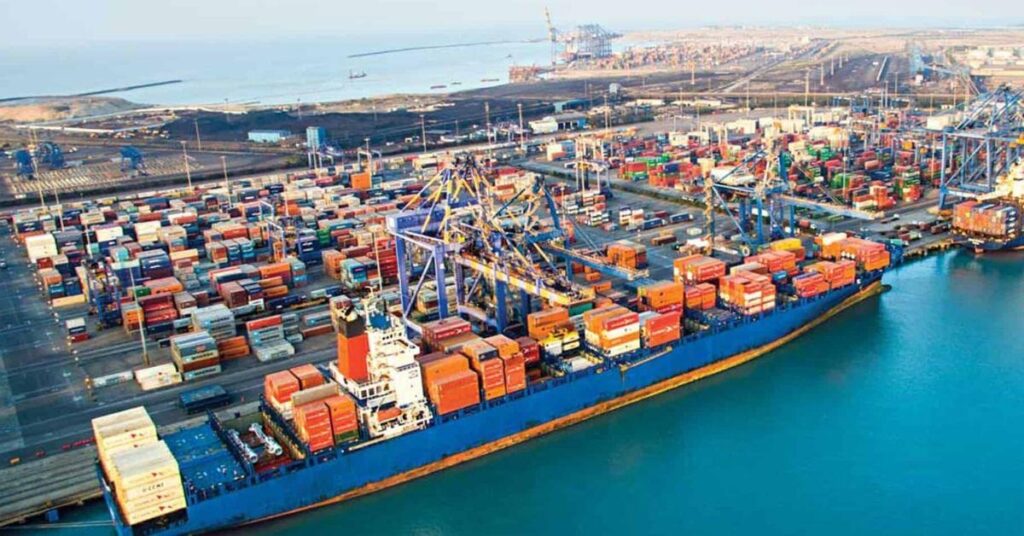
Additionally, 38 seaports have also been declared international ports, featuring locations like Chennai, Mumbai, and Visakhapatnam. The list also encompasses ports in states like Kerala and Gujarat, which are crucial for maritime trade and tourism. This extensive network facilitates not only travel but also enhances economic interaction with foreign nationals.

Among the land ports, notable entries include Raxaul and Rupaidiha. These land points are crucial for facilitating cross-border travel and trade, supporting India’s connections with neighbouring countries. Each designated entry point contributes to a larger framework aimed at streamlining foreign visits while bolstering national security.

Improvements in the Visa Regime

The MHA has highlighted key initiatives undertaken in recent years to make the visa system more accessible and efficient. This includes technological advancements aimed at ensuring both security and ease of entry for legitimate travellers. The introduction of the e-visa system was a significant change in this regard, which has expanded considerably since its inception.

Originally introduced in 2014, the e-visa facility was made available to citizens of 43 countries and has since grown to cater to nationals from 172 countries. The flexibility of this system allows various types of e-visas to be issued, including categories for tourism, medical purposes, and business activities.

Currently, electronic visas constitute approximately 78 per cent of the total visas issued by India, showcasing a significant shift towards digital solutions in the visa application process. This change not only simplifies entry for tourists but also enhances the overall visitor experience as they travel to India.

Long or Short, get news the way you like. No ads. No redirections. Download Newspin and Stay Alert, The CSR Journal Mobile app, for fast, crisp, clean updates!

App Store –  https://apps.apple.com/in/app/newspin/id6746449540 

Google Play Store – https://play.google.com/store/apps/details?id=com.inventifweb.newspin&pcampaignid=web_share

Latest News

Popular Videos
