


Congo Ebola Outbreak Initiated in February, Now Fastest-Growing On Record
The CSR Journal Magazine

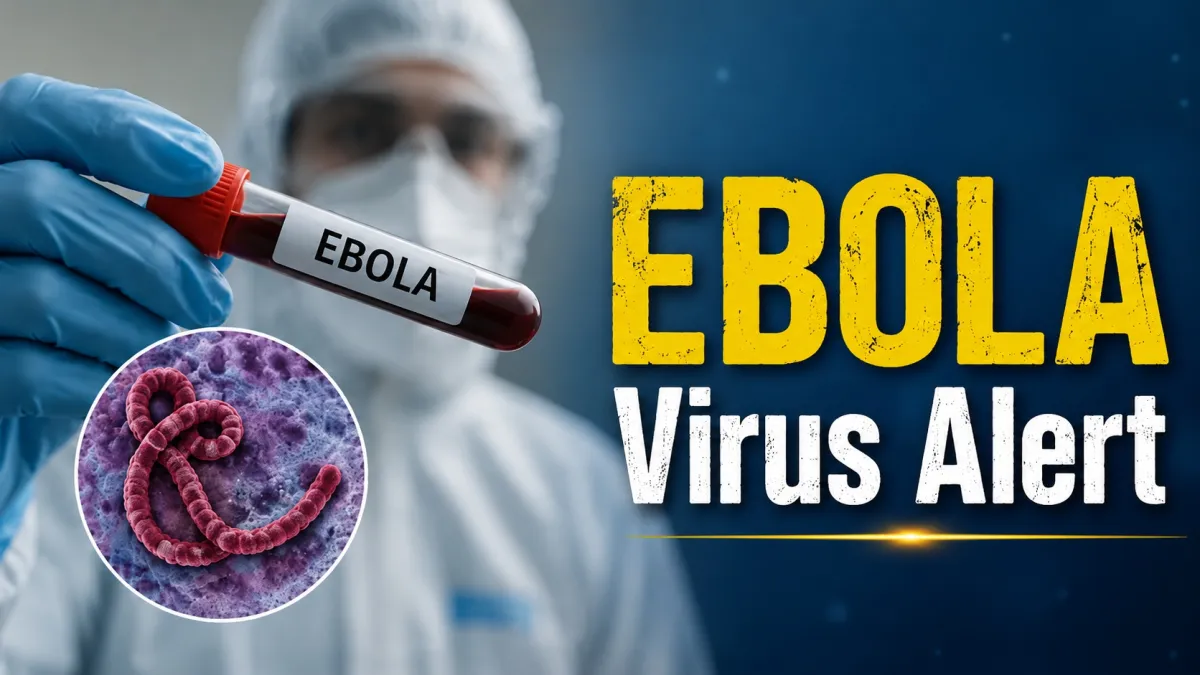
The World Health Organisation reported on Monday that the current Ebola outbreak in eastern Congo was officially declared on May 15 but had actually commenced in February. This timeline categorises it as the fastest-growing Ebola outbreak documented to date. WHO officials expressed concerns that the rapid spread of the virus has outpaced the response efforts aimed at controlling it.

Current Statistics and Unique Challenges

Confirmed cases of the virus have surged to 4,200, accompanied by over 1,900 reported fatalities, as per the latest figures provided by the government. Distinct from prior outbreaks, this incident involves the uncommon Bundibugyo virus, for which no vaccines or treatments have been approved. The initial testing efforts mistakenly concentrated on more prevalent forms of Ebola, contributing to the delay in response.

Dr Mohamed Yakub Janabi, the WHO Regional Director for Africa, revealed during a press conference that genetic sequencing indicated a much earlier onset of the outbreak than previously acknowledged. Some of the early cases were misdiagnosed as malaria and typhoid, complicating the identification of the virus spread. Janabi stated, “We are chasing the virus, the virus is ahead of us,” highlighting the urgency of the situation.

The response to the outbreak is being further hindered by challenging conditions, including strikes from unpaid health workers and threats posed by local rebel groups. Long-standing conflict in the region has left communities frustrated and sceptical, with misinformation circulating that downplays the reality of the Ebola threat. Health teams are tasked with navigating through rugged, unpaved roads and have reported a critical shortage of protective equipment.

Severity Compared to Previous Outbreaks

This outbreak has resulted in fatalities at a pace faster than any previous Ebola incident, surpassing even the infamous 2014-2016 outbreak in West Africa, which resulted in over 11,000 deaths among more than 28,000 confirmed cases. Remarkably, the West Africa outbreak took roughly eight months to reach 1,000 fatalities, which underscores the alarming speed of the current crisis.

Ebola is acknowledged as a rare but highly contagious disease that can be transmitted through bodily fluids, such as vomit and blood, as well as contaminated materials like bedding and clothing. The illness is severe and often results in death, creating significant public health challenges. Last week, WHO Director-General Tedros Adhanom Ghebreyesus indicated that cases were increasing at an alarming rate, with new incidences reportedly doubling in certain hotspots across the region.

Health officials have indicated that between 60 to 70 per cent of new cases are being identified beyond the monitored contacts, compounding the challenges of managing the outbreak. Access to healthcare has been severely compromised due to years of conflict, particularly in one of Congo’s most isolated and vulnerable areas bordering South Sudan, Uganda, and Rwanda. Some pregnant women are reportedly avoiding medical facilities due to fears surrounding the virus, placing their health in jeopardy.

Delays and Historical Context

Previously, the WHO has acknowledged that several Ebola outbreaks were declared significantly later than their actual onset dates, including the West Africa outbreak, which was recognised in March 2014, even though the first human infection occurred in December 2013. This pattern of delayed responses appears to have occurred again in the current situation.

In conclusion, the WHO has emphasised that the Ebola outbreak in eastern Congo started months prior to its official declaration. The combination of delayed recognition, lack of effective treatments for the Bundibugyo virus, and challenging local conditions has complicated the public health effort, resulting in a continuous rise in reported cases and fatalities. The situation remains critical as the organisation strives to implement effective measures against the virus.

Long or Short, get news the way you like. No ads. No redirections. Download Newspin and Stay Alert, The CSR Journal Mobile app, for fast, crisp, clean updates!

App Store –  https://apps.apple.com/in/app/newspin/id6746449540 

Google Play Store – https://play.google.com/store/apps/details?id=com.inventifweb.newspin&pcampaignid=web_share

Latest News

Popular Videos
