


Delhi High Court Orders Removal of Defamatory Content Against Raghav Chadha
The CSR Journal Magazine

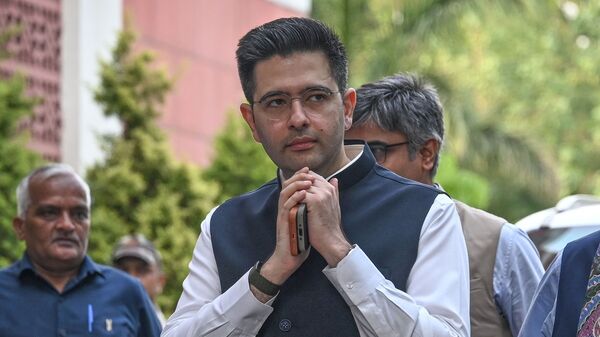
The Delhi High Court has recently delivered a significant ruling in favour of Raghav Chadha, a BJP Rajya Sabha MP, by instructing the removal of social media posts alleged to have defamed him. The judgement came on July 1, with Justice Subramonium Prasad presiding over the matter, which Chadha had brought forth seeking urgent intervention against what he claimed to be defamatory content disseminating falsehoods about him.

Chadha’s grievances centred around posts that purportedly suggested he had compromised his political integrity for financial gain. According to reports, the court has recognised the potential reputational damage that such claims could inflict on the politician’s standing in the public sphere, leading to this notable legal decision.

Details of the Allegations

Chadha accused the social media posts of extending beyond acceptable political commentary, contending that they constituted malicious personal attacks. His legal representative, Senior Advocate Rajiv Nayar, argued that the posts severely mischaracterised Chadha’s political motives, thereby crossing the boundary into defamation. The court concurred with this assessment, agreeing that the existing material on social media detrimentally exceeded the realm of fair political discourse.

While administering the directive for removal, the court clarified that the current proceedings were not concerned with personality rights, a nuance that will be elaborated upon in a comprehensive forthcoming order. This aspect highlights the court’s intention to clearly delineate the boundaries between public critique and defamatory misuse.

The allegations made against Chadha reflect broader issues within social media and public discourse where political leaders become targets of harmful misinformation campaigns. The court’s action underscores the pressing need for effective legal frameworks to address such concerns.

Concerns Over AI and Deepfake Technology

Chadha’s lawsuit also underscores a growing concern regarding the threat posed by artificial intelligence in generating misleading or harmful content. The use of AI-manipulated visuals and deepfakes has raised alarm, as these technologies can be deployed to create images and videos that spread misinformation. Chadha’s legal approach aims to combat such technological misuse that seeks to tarnish reputations.

The interim relief granted in this case is seen as an essential advance in the fight against these modern issues, potentially setting a precedent for future instances where technology is used to manipulate narratives or misrepresent public figures. As the digital landscape evolves, this decision may reinforce the necessity for vigilant oversight by both legal entities and social media platforms.

As the case unfolds, observers await the complete judgement detailing the court’s rationale and the specific directives directed towards social media platforms involved in the dissemination of the disputed content. The implications of this ruling could extend beyond this singular instance, informing future legal measures concerning the conduct of online platforms and the potential dangers associated with evolving digital technologies.

Long or Short, get news the way you like. No ads. No redirections. Download Newspin and Stay Alert, The CSR Journal Mobile app, for fast, crisp, clean updates!

App Store –  https://apps.apple.com/in/app/newspin/id6746449540 

Google Play Store – https://play.google.com/store/apps/details?id=com.inventifweb.newspin&pcampaignid=web_share

Latest News

Popular Videos
