


Delhi HC Directs Centre to Review Passport Fee Hike Challenge
The CSR Journal Magazine

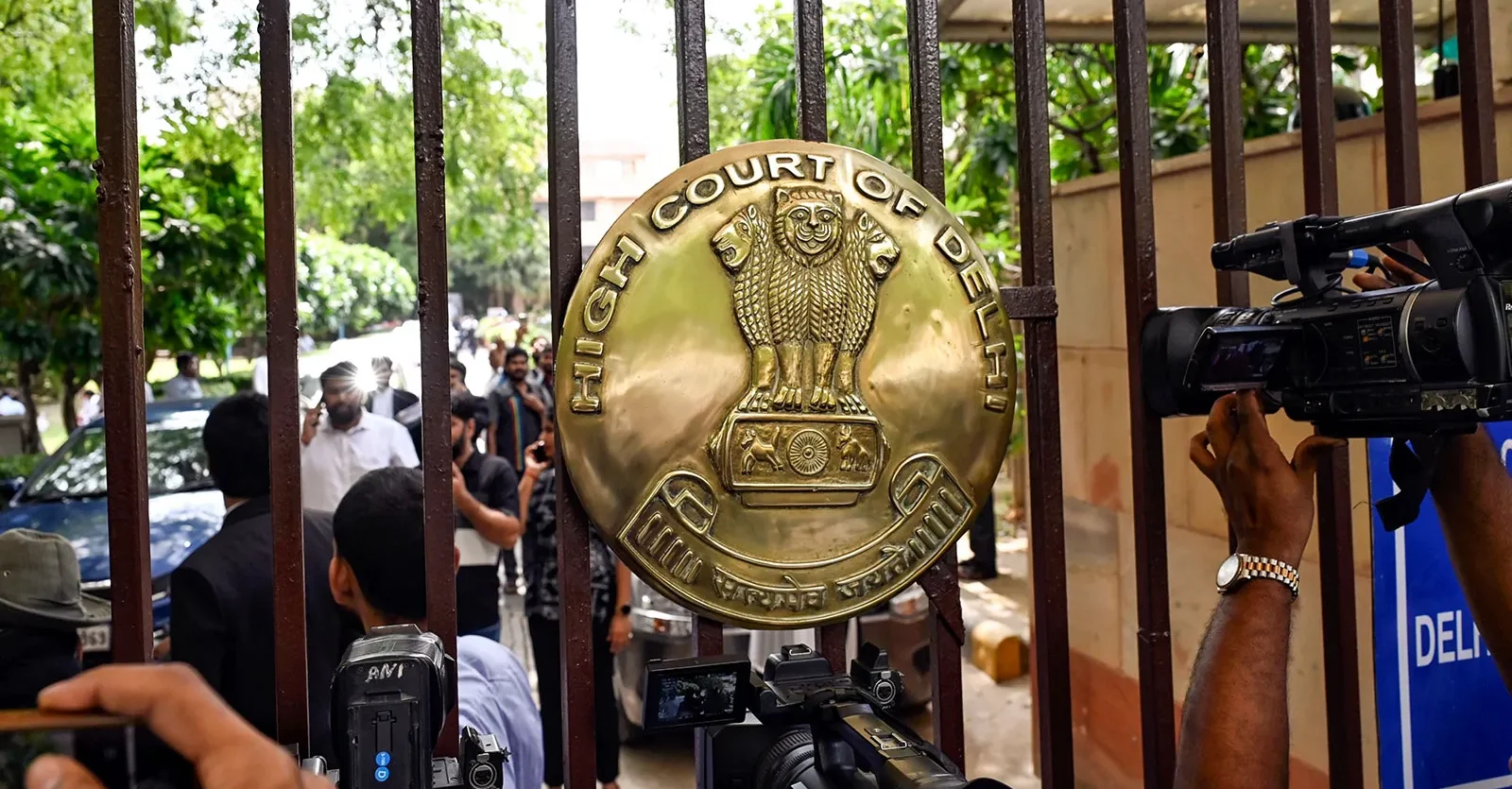
The Delhi High Court has instructed the Central Government to examine a representation contesting the substantial increase in passport fees as outlined in the Passports (Amendment) Rules, 2026. This directive was issued on July 22, 2026, with the court preferring that the matter be resolved within three months.

A Division Bench comprising Chief Justice Devender Kumar Upadhyaya and Justice Tejas Karia adjudicated on a Public Interest Litigation (PIL) submitted by the Pravasi Legal Cell. The PIL was filed to address concerns regarding the constitutional validity of the revised fee structure that came into effect on July 1, 2026.

The court’s ruling allows for the Ministry of External Affairs (MEA) to assess the petitioner’s plea in accordance with legal principles before any decisions are made public. This represents a significant regulatory oversight by the judiciary in addressing concerns raised by citizens regarding governmental financial policies.

Concerns Over Revised Fee Structure

The PIL contests that the new fees are arbitrary and disproportionately affect millions of Indian citizens, particularly Non-Resident Indians (NRIs), migrant workers, and those from economically weaker sections of society. The petitioners argue that these changes violate key constitutional provisions, namely Articles 14 and 21.

Advocate Anto Robert, representing the petitioners, highlighted that passports serve as vital legal documents for employment, education, and international travel. He stated that the increased fees impose a significant financial burden on many citizens, especially those working abroad, who face additional costs such as agency fees and courier charges.

Furthermore, the petition claims that the introduction of the revised fee structure did not include a transparent cost analysis or financial justification. It notes a lack of communication from the government regarding prior representations made by the Pravasi Legal Cell and its Kerala chapter, which sought a reconsideration of the increased fees.

High Court’s Direction on Expedited Review

In light of the arguments presented, the Delhi High Court chose not to assess the merits of the revised rules directly. Instead, it emphasised the need for the Ministry of External Affairs to handle the pending representation swiftly, encouraging action within three months.

This decision illustrates the court’s role in addressing public concerns relating to government policies, particularly when such measures are believed to unfairly impact large segments of the population. While the High Court did not rule on the legality of the increased fees at this stage, its instructions highlight the importance of dialogue between the government and citizens.

Moving forward, the Central Government is expected to respond to the court’s directive by thoroughly reviewing the representation submitted by the petitioner and considering the implications of the amended rules on the broader public. The outcome of this process may have significant ramifications for individuals reliant on passport services in India and abroad.

Long or Short, get news the way you like. No ads. No redirections. Download Newspin and Stay Alert, The CSR Journal Mobile app, for fast, crisp, clean updates!

App Store –  https://apps.apple.com/in/app/newspin/id6746449540 

Google Play Store – https://play.google.com/store/apps/details?id=com.inventifweb.newspin&pcampaignid=web_share

Latest News

Popular Videos
