


Court Sets Deadline for Decision on Dhruv Rathee’s Controversial Video
The CSR Journal Magazine

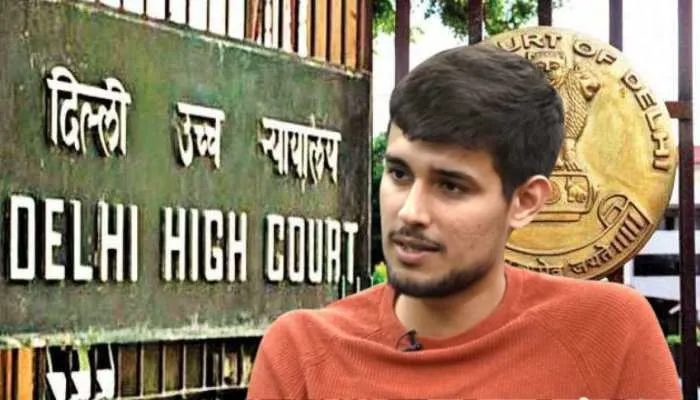
The Delhi High Court has instructed the Grievance Appellate Committee (GAC) of the government to make a decision within 15 days regarding an appeal for the removal of a YouTube video uploaded by Dhruv Rathee. This appeal concerns claims made in the video about Hindu deities such as Lord Ram, Sita, and Lord Krishna allegedly consuming meat and alcohol.

This intervention by the court is significant amid ongoing discussions around social media content related to religion and culture. The legal petition challenging Rathee’s content argues that such assertions can potentially hurt the sentiments of believers and misrepresent cultural beliefs. The case underlines the broader issues of freedom of expression and religious sensitivity in India.

The video in question has generated considerable debate; supporters argue it’s merely an expression of artistic freedom while detractors believe it undermines religious sentiments. As the GAC prepares to review the appeal, the court’s directive serves as a reminder of the responsibilities that come with social media influence.

Details of the Case and Court Proceedings

The appeal launched against Dhruv Rathee follows numerous complaints received over the content of his video. Many individuals have expressed their concerns through various platforms, leading to heightened scrutiny of Rathee’s claims. The court has acknowledged the importance of addressing such complaints, especially when they pertain to revered religious figures.

During the recent hearing, the bench overseeing the case noted the need for timely resolution of the matter, particularly given its sensitive nature. The scheduled 15-day period for the GAC to respond indicates the urgency expressed by the court regarding the potential impact of such content on public sentiment.

Legal experts suggest that this situation could set a precedent for how similar cases are handled in the future, especially regarding social media interventions by the state. Observers are keenly watching how the GAC approaches the case, recognising the delicate balance between maintaining public order while protecting freedom of expression.

Reactions to the Court’s Decision

The court’s decision has received varied reactions from different segments of society. Some view it as a necessary step towards safeguarding cultural values, while others see it as an infringement on an individual’s right to express themselves. The implications of this case touch on broader themes regarding the intersection of law, culture, and social media.

Participants in the debate include not only advocates and activists but also ordinary citizens expressing their viewpoints through social media channels. The discourse has become heated, illustrating the emotional connections people have with their cultural and religious identities. Observers recognise that the ramifications of the GAC’s ruling may extend beyond this case alone, potentially influencing the future landscape of online content regulation in India.

As the deadline approaches, stakeholders continue to voice their opinions on how such matters should be navigated. The court’s engagement with this issue exemplifies the judiciary’s role in mediating conflicts arising from evolving digital landscapes and the traditions that underpin societal values.

Long or Short, get news the way you like. No ads. No redirections. Download Newspin and Stay Alert, The CSR Journal Mobile app, for fast, crisp, clean updates!

App Store –  https://apps.apple.com/in/app/newspin/id6746449540 

Google Play Store – https://play.google.com/store/apps/details?id=com.inventifweb.newspin&pcampaignid=web_share

Latest News

Popular Videos
