


Iran Could Extend Conflict Until Trump’s Presidency Ends, According to IRGC Adviser
The CSR Journal Magazine

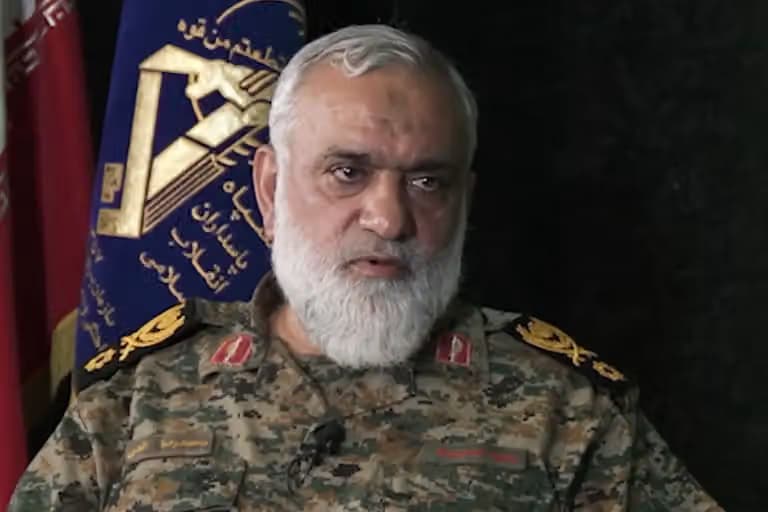
A senior official from Iran’s Islamic Revolutionary Guard Corps (IRGC) has indicated that Tehran may intentionally extend its hostilities with the United States until the conclusion of President Donald Trump’s term. Mohammad Reza Naqdi, serving as a close adviser to the IRGC’s commander-in-chief, revealed this strategy during an interview with PBS NewsHour on Tuesday. He suggested that by elongating the conflict, Iran aims to create an atmosphere of attrition that would deter any future military engagements from the US.

Naqdi articulated that the objective of such an approach would be to ensure that any potential attackers, particularly those from the United States, are fully aware of the consequences of their actions. He stated, “One way is to prolong this war until we get to the next term of the presidency and cause attrition, so that if anyone else wants to attack Iran, they will know there is a cost.” This phrase highlights the interconnectedness of Iran’s military strategy with political considerations in the US.

Current Status and Perceived Advantages

During the interview, Naqdi expressed a belief that Iran is currently gaining the upper hand in the conflict but acknowledged that the ultimate goal had not yet been achieved. He posited that by continuing the hostilities, Iran would have the opportunity to gain valuable experience in combatting US forces, thus reinforcing its deterrent capabilities.

According to Naqdi, establishing a credible deterrent is critical for Iranian security. He explained, “We have to establish deterrence so that the enemy never dares to attack us.” The implications of this statement reflect a strategy rooted in both military action and psychological warfare.

Naqdi further emphasised Iran’s military production capabilities, stating that the nation reportedly manufactures more missiles on a daily basis than it actually launches. This claim underscores Iran’s ongoing commitment to enhancing its military infrastructure, potentially allowing it to sustain operations over an extended period despite the conflict’s challenges.

Future Implications and Broader Threats

In a striking assertion, Naqdi warned that Iran could represent an even greater threat if its missile arsenal were to be depleted. He stated, “If there comes a day when Iran has no more missiles left, that’s when we will be even more dangerous for America.” This provocative statement suggests a strategic pivot that could involve alternative forms of aggression should conventional military capabilities be exhausted.

When questioned about how Iran would pose a greater risk without a missile supply, Naqdi hinted at the extensive American economic interests present globally. He noted, “Because America has thousands of economic interests throughout the world, and all of them can be easily destroyed.” This remark indicates a potential shift in focus towards economic targets, though he did not specify which ones nor how they might be attacked.

The context of these comments provides an insight into Iran’s broader military strategy and its implications for international relations moving forward. As Tehran navigates its position amidst complex geopolitical landscapes, the statements from Naqdi may serve to encapsulate Iran’s current military thinking and ongoing responses to perceived threats from the US.

Long or Short, get news the way you like. No ads. No redirections. Download Newspin and Stay Alert, The CSR Journal Mobile app, for fast, crisp, clean updates!

App Store –  https://apps.apple.com/in/app/newspin/id6746449540 

Google Play Store – https://play.google.com/store/apps/details?id=com.inventifweb.newspin&pcampaignid=web_share

Latest News

Popular Videos
