


Cloudburst Triggers Flash Floods in J&K’s Doda, Over 220 Reportedly Missing
The CSR Journal Magazine

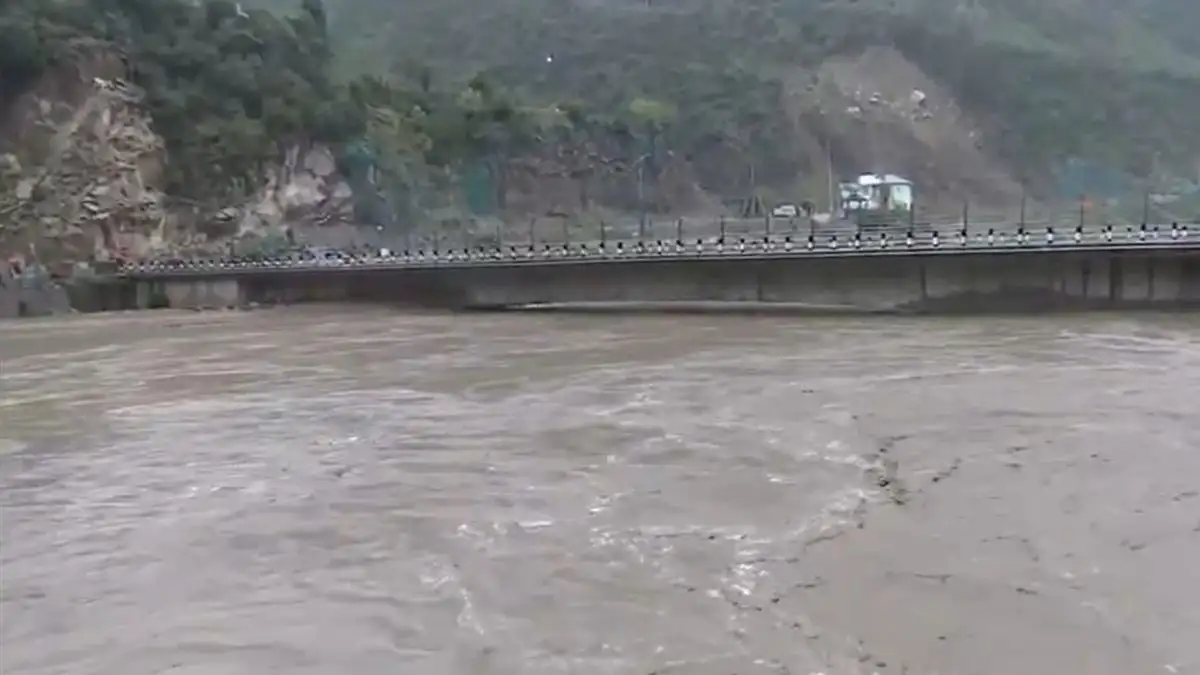
A recent cloudburst resulted in substantial flash flooding in the Doda district of Jammu and Kashmir on Tuesday, significantly affecting the Bhalesa region. Torrential rainfall caused floodwaters laden with mud and debris to inundate roads, disrupting access to several interior villages. Authorities have mobilised teams to initiate clearance operations, evaluate the extent of the damage, and have advised residents to refrain from travelling until conditions stabilise.

Continuing Rescue Operations Amidst Rising Casualties

Last year, a similar climatic event led to tragic consequences, with at least 45 individuals, including two personnel from the Central Industrial Security Force (CISF), losing their lives in a cloudburst that struck Chosoti village in the nearby Kishtwar district. The recent incident has also seen more than 220 individuals reported as missing as rescue teams work diligently to locate those either trapped or swept away by the floods.

The cloudburst disrupted the procession along the route to the Machail Mata Yatra, normally a well-trodden pilgrimage to the Himalayan shrine of Mata Chandi. Pilgrims who had travelled approximately 17 kilometres from Golabgarh town, where the yatra commenced on July 25 this year, found themselves affected by the sudden rise in floodwaters.

As floodwaters surged through the Chashoti village area, around 8 km away from the shrine, mud-filled torrents invaded homes and temporary camps that were being utilised by pilgrims. The swift and intense flooding resulted in extensive damage, as large swathes of land were overrun by water and debris. Among the deceased are two CISF jawans, as confirmed by local officials.

Understanding the Phenomenon of Cloudbursts

Cloudbursts have been increasingly documented in India’s mountainous regions, characterised by abrupt and intense rainfall. These phenomena occur when moisture-laden air is propelled upward by mountainous terrain, resulting in a sudden drop in temperature that causes rapid condensation. The interaction between warm, moisture-rich air from below and cooler air above can create powerful upward drafts.

These strong convection currents generate dense clouds that can discharge intense rainfall over very limited areas within mere minutes, contributing to situations like those observed in Doda. The synergistic conditions of warm and cold air, along with high moisture content at elevated altitudes, play a significant role in the occurrence of such extreme weather events.

As the search for missing persons continues, local authorities remain on high alert for further weather-related disturbances. The region is undergoing a thorough review of its disaster preparedness measures in light of the escalating frequency of such cloudbursts and their devastating consequences. Emergency services are assessing the situation on the ground to provide necessary assistance and ensure the safety of residents and pilgrims alike.

Long or Short, get news the way you like. No ads. No redirections. Download Newspin and Stay Alert, The CSR Journal Mobile app, for fast, crisp, clean updates!

App Store –  https://apps.apple.com/in/app/newspin/id6746449540 

Google Play Store – https://play.google.com/store/apps/details?id=com.inventifweb.newspin&pcampaignid=web_share

Latest News

Popular Videos
