


Assam Introduces Uniform Civil Code Bill in Assembly, Debate and Passage Likely on May 27
The CSR Journal Magazine

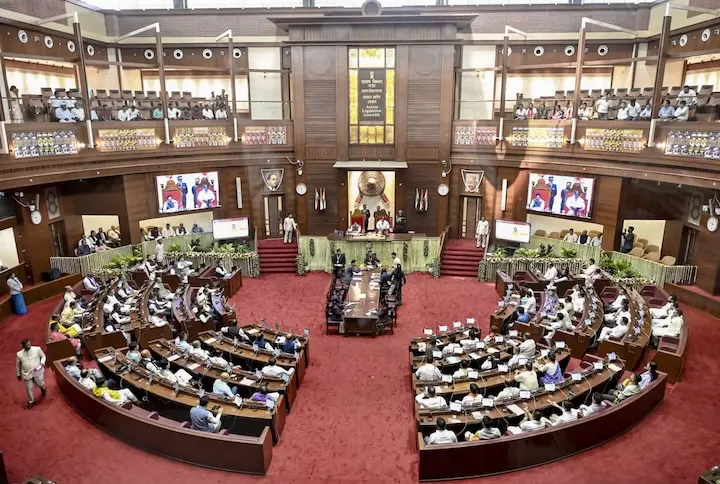
The Assam Assembly has introduced the Uniform Civil Code (UCC) Bill, marking a significant legislative step in the state. On May 25, Assam Parliamentary Affairs Minister Atul Bora presented “The Uniform Civil Code, Assam, Bill, 2026” on behalf of Chief Minister Himanta Biswa Sarma. This introduction follows a cabinet decision approximately two weeks earlier, where the government confirmed its intention to legislate during the current assembly session.

The bill is scheduled for discussion and potential passage on May 27. This revealing of the UCC Bill forms part of the Assam government’s strategic communications during its legislative session running from May 21 to 26. This initiative illustrates Assam’s commitment to modernise legal provisions affecting personal laws.

Provisions and Exemptions of the UCC Bill

Chief Minister Sarma has outlined the primary subjects covered by the UCC Bill, which include the minimum age for marriage, a prohibition on polygamy, equal inheritance rights for daughters, and provisions relating to live-in relationships. Significantly, the bill states that Scheduled Tribes (Hills) and Scheduled Tribes (Plain) will be exempt from its provisions, along with traditional religious customs and practices.

These delineations aim to address specific cultural nuances while introducing uniformity in civil regulations. The UCC is designed to create an equitable legal framework regarding personal matters, which has implications for a diverse population. The potential passage of this legislation positions Assam as the third state to adopt a UCC, following the precedents set by Uttarakhand and Gujarat.

Uttarakhand was the first state to introduce the UCC Bill in 2024, aligning with the Directive Principles of State Policy enshrined in the Indian Constitution, specifically Article 44, which calls for a uniform civil code across the nation. The introduction of such a law advocates for harmony and equality within personal law, although it has been met with varied reactions across regions.

Political Context and Future Implications

The introduction of the UCC Bill is indicative of the Bharatiya Janata Party’s broader political agenda to standardise personal laws across India. Prime Minister Narendra Modi has previously articulated the intent to implement the UCC throughout the country, including West Bengal, to eliminate the so-called politics of appeasement. This indicates a move towards a more consolidated legal approach to civil rights.

In the aftermath of the Assam Assembly elections, where the BJP secured a substantial victory, winning 82 out of 126 seats, the party has demonstrated its commitment to enacting the UCC. In coalition with the Asom Gana Parishad (AGP) and Bodoland People’s Front, the NDA increased its total to 102 seats, reinforcing the government’s parliamentary strength to push through significant legislation.

The bill’s passage would not only mark a pivotal change in Assam but could potentially inspire similar legislative actions in other states, depending on the outcomes of future political dynamics. Previous implementations of UCC in Uttarakhand have reportedly enhanced women’s legal rights and streamlined marriage registrations, serving as a foundational model for Assam and beyond.

Long or Short, get news the way you like. No ads. No redirections. Download Newspin and Stay Alert, The CSR Journal Mobile app, for fast, crisp, clean updates!

App Store –  https://apps.apple.com/in/app/newspin/id6746449540 

Google Play Store – https://play.google.com/store/apps/details?id=com.inventifweb.newspin&pcampaignid=web_share

Latest News

Popular Videos
