


US Delegation to Hold Iran Ceasefire Talks in Pakistan Amid Rising Tensions
The CSR Journal Magazine

US President Donald Trump confirmed that American negotiators, including Steve Witkoff and Jared Kushner, will travel to Pakistan to engage in discussions with Iranian representatives regarding a ceasefire. The meetings are scheduled to begin on Monday. In a recent statement, Trump insisted that this represents Iran’s final opportunity to accept a deal, threatening severe consequences should Iran refuse.

According to Trump, failure to come to an agreement could lead to significant military action against Iranian energy and civil infrastructure. He emphasised that he would not repeat the perceived mistakes made by former President Obama, suggesting that previous policies were insufficient in curbing Iran’s ambitions.

The announcement was made via a post on Trump’s Truth Social platform, where he underscored the urgency and seriousness of the negotiations. The President expressed confidence in the capabilities of the appointed special envoys, noting their familiarity with the complexities of the situation.

Details of the Negotiations and Previous Discussions

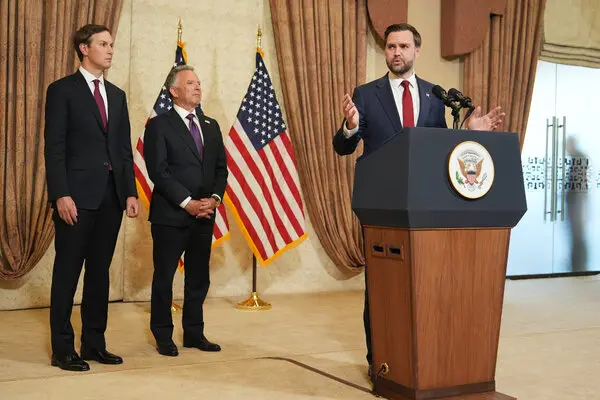
Last week, Vice President J. D. Vance led an initial round of discussions in Islamabad, although those talks reportedly did not yield any breakthroughs. Witkoff, Trump’s special envoy to the Middle East, along with Kushner, who is also the President’s son-in-law, are tasked with revitalising the negotiations.

Trump’s comments included allegations that Iran has already violated ceasefire terms, specifically referencing incidents in the Strait of Hormuz. He claimed that Iranian forces targeted ships from France and the United Kingdom, labelling these actions a “Total Violation” of the ceasefire agreement. These statements reflect the tense political atmosphere surrounding the negotiations.

During his remarks, Trump made a significant claim regarding Iran’s losses resulting from the ongoing blockade, asserting that the nation suffers a financial blow estimated at $500 million per day due to the situation in the Strait of Hormuz. He argued that the United States faces no economic fallout from this scenario, contrasting Iran’s predicament with American interests.

Reactions and Implications of the Current Standoff

Trump’s statements included a reiteration of the United States’ strategy, suggesting military action against Iranian infrastructure should diplomatic efforts fail. He expressed a willingness to strike Iranian power plants and bridges, framing such actions as necessary to ensure compliance from Tehran. His language reflects a hardening stance in the face of potential non-compliance.

As the deadline for the ceasefire approaches, set for April 22, the situation remains precarious. While Trump described the proposal as a fair deal, he has made it clear that if Iran does not engage constructively, significant actions will follow. This reflects a shift towards a more confrontational approach in US-Iran relations.

At present, Iran has not confirmed the details of the proposed travel and negotiations, leaving the diplomatic future uncertain. The complexity of the issues at hand, including discussions about Iran’s nuclear capabilities and the essential shipping routes in the region, continues to pose a challenge for effective diplomacy. This backdrop of ongoing negotiations and allegations of ceasefire violations underscores the delicate nature of international relations involving Iran.

Long or Short, get news the way you like. No ads. No redirections. Download Newspin and Stay Alert, The CSR Journal Mobile app, for fast, crisp, clean updates!

App Store –  https://apps.apple.com/in/app/newspin/id6746449540 

Google Play Store – https://play.google.com/store/apps/details?id=com.inventifweb.newspin&pcampaignid=web_share

Latest News

Popular Videos
