


Running Out of LPG? You Can Now Cook Using Ethanol in India
The CSR Journal Magazine

Liquefied Petroleum Gas (LPG) has long been the primary source of cooking fuel for numerous households in India. This fuel, which consists mainly of propane and butane, is widely utilised due to its efficient combustion and high heat output. The extensive distribution system in place significantly enhances its accessibility, making LPG a staple for millions across urban and rural regions.

What is Ethanol and Its Potential?

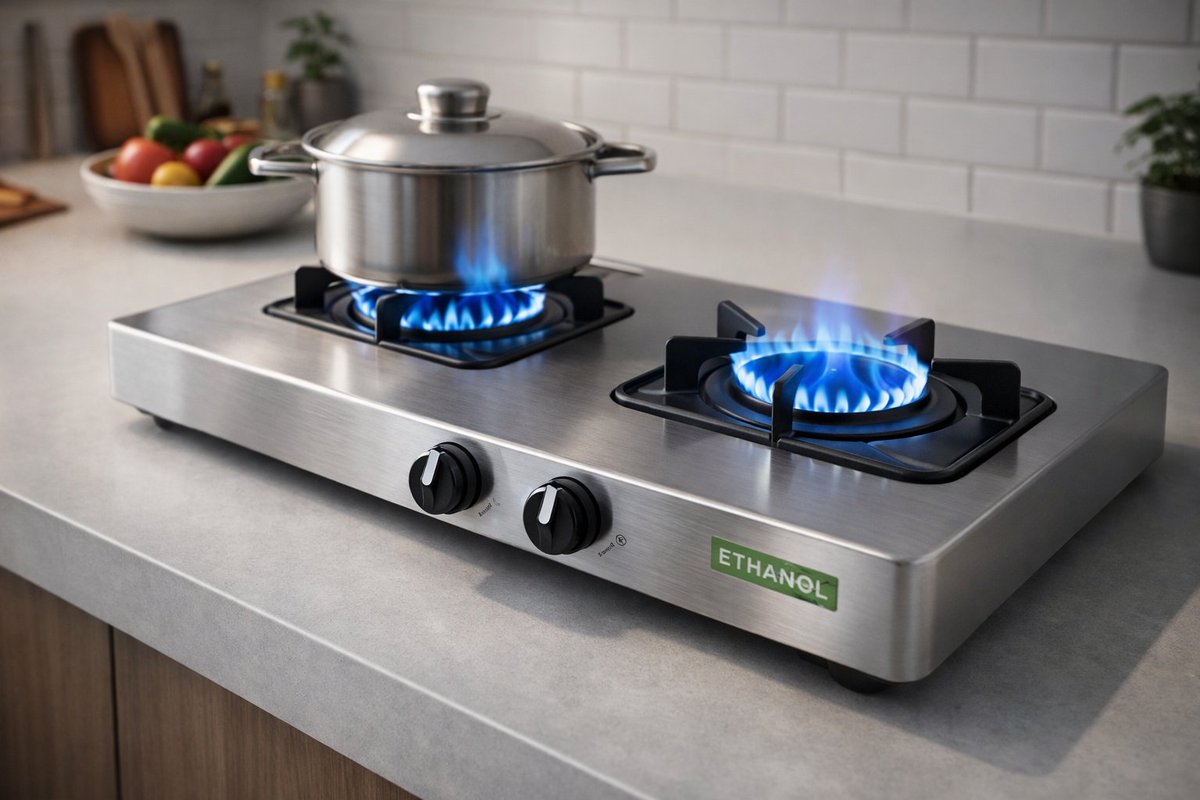
Ethanol, a renewable biofuel, is produced from various agricultural feedstocks, including sugarcane and corn. Its usage extends beyond cooking, as it is also incorporated in fuel blending for vehicles. Recently, interest has grown in utilising ethanol in specially designed cooking stoves. Unlike LPG, which is fossil fuel-based, ethanol offers a renewable alternative derived from biological sources.

The cost factor plays a significant role in the choice between these two fuels. Proponents of ethanol-based stoves suggest they may provide lower cooking costs in certain scenarios. However, the actual savings depend heavily on fluctuations in fuel prices and the existing distribution framework.

LPG’s established supply chain, backed by government support, ensures its availability to a broad section of consumers, making it currently more viable than ethanol in terms of cost-effectiveness.

Environmental Implications of Both Fuels

From an environmental perspective, both fuels have distinct impacts. LPG burns cleaner compared to traditional fuels like wood and coal, significantly reducing indoor air pollution levels. Nonetheless, it remains a fossil fuel, contributing to the overall carbon footprint.

On the other hand, ethanol can be produced sustainably from agricultural sources and has the potential to lessen reliance on fossil fuels. When produced responsibly, it can contribute to a reduction in net carbon emissions, aligning with global objectives aimed at greener energy solutions.

The broad deployment of ethanol hinges on overcoming challenges related to fuel distribution and infrastructure. As of now, LPG benefits from a robust distribution network enabling easy access to both urban and rural homes.

Assessing Cooking Performance and Safety

In terms of cooking performance, LPG provides consistent flame control, a high heat output, and fast cooking times, making it a reliable choice for most households. Ethanol stoves, however, are still under evaluation. Their effectiveness in household settings requires further testing concerning efficiency and fuel consumption.

Safety is an essential factor for both types of fuel. Well-established safety standards govern LPG usage, and consumers are already accustomed to handling LPG cylinders. Ethanol technology will require comprehensive safety certifications and public awareness initiatives to ensure safe adoption among users.

Additionally, ethanol’s production from agricultural crops presents potential benefits for farmers, as increased demand could bolster rural economies and create new income opportunities. This aspect aligns with broader initiatives aimed at promoting biofuels and enhancing agricultural value chains.

Future Landscape of Cooking Fuels in India

Currently, it appears unlikely that ethanol will completely replace LPG as the primary cooking fuel in the foreseeable future. LPG’s extensive infrastructure and consumer familiarity solidify its dominant position. However, if ethanol-based stoves can demonstrate cost-effectiveness, safety, and easy accessibility, they may find a place as a supplementary option.

The future adoption of ethanol in cooking will likely depend on various factors, including fuel pricing, advancements in technology, governmental policies, and consumer acceptance. The ongoing comparison between ethanol and LPG reflects a significant shift towards exploring cleaner energy alternatives.

While LPG remains the preferred choice for many Indian households, the exploration of ethanol-based cooking stoves signifies a noteworthy innovation that could contribute to the evolving energy landscape in India.

Long or Short, get news the way you like. No ads. No redirections. Download Newspin and Stay Alert, The CSR Journal Mobile app, for fast, crisp, clean updates!

App Store –  https://apps.apple.com/in/app/newspin/id6746449540 

Google Play Store – https://play.google.com/store/apps/details?id=com.inventifweb.newspin&pcampaignid=web_share

Latest News

Popular Videos
