


UN Chief Calls For Continued International Force In Lebanon After UNIFIL Mandate Ends
The CSR Journal Magazine

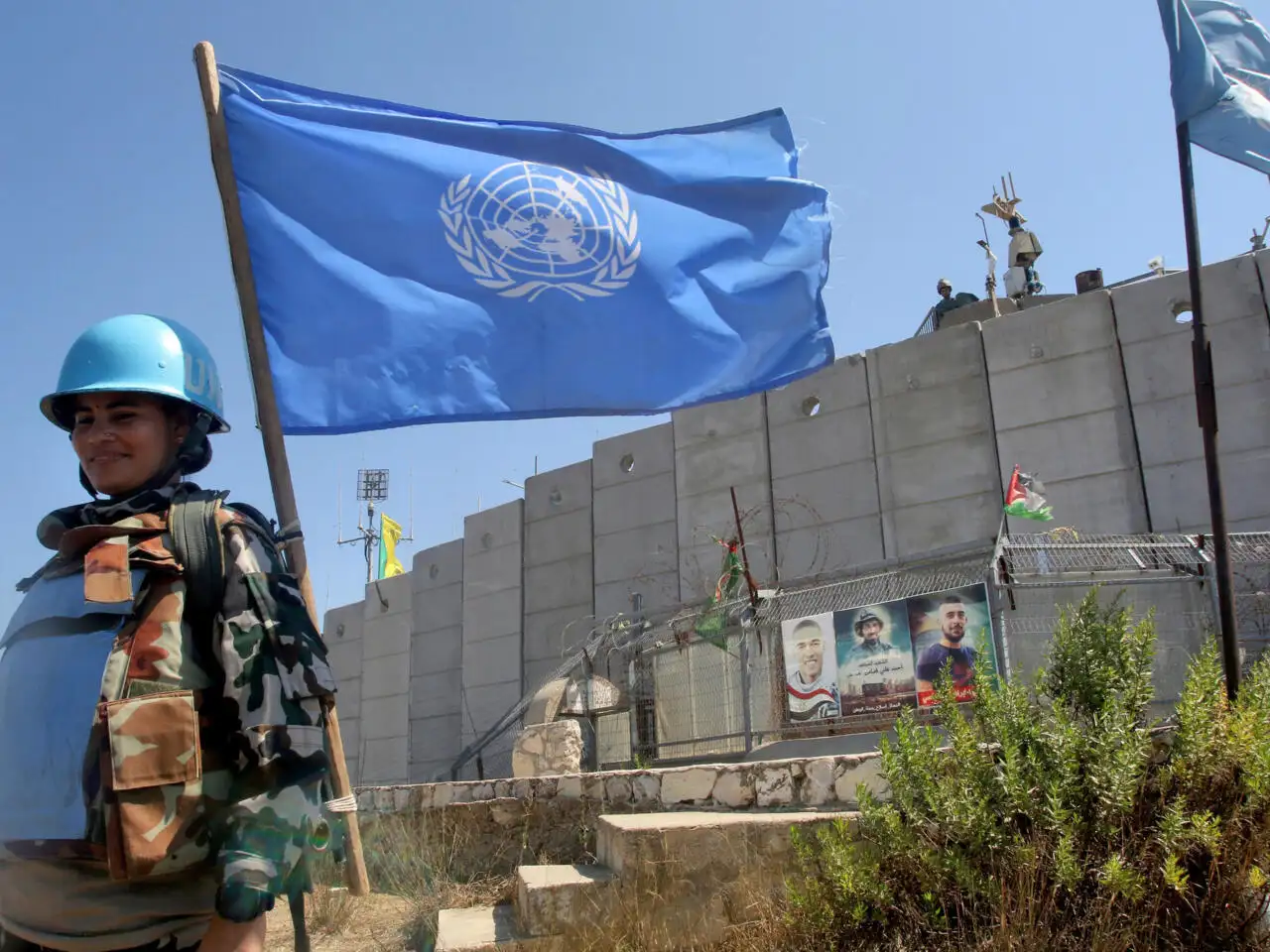
The United Nations Secretary-General, Antonio Guterres, has stated that a continued UN presence in Lebanon is essential once the mandate of the United Nations Interim Force in Lebanon (UNIFIL) concludes later this year. During a recent session of the Security Council, Guterres underscored the critical role played by international observers in fostering regional stability, asserting that their ongoing deployment is vital to prevent further escalation of tensions.

Guterres made it clear that maintaining a uniformed UN presence is necessary for facilitating de-escalation, dialogue, and liaison efforts, as well as bolstering support for the Lebanese Armed Forces. He reiterated that such a presence is pivotal to achieving a long-term resolution to the ongoing conflict.

Options for UN Deployment

To address the future of this mission, Guterres has put forward three distinct options for personnel deployment, which propose troop levels ranging from nearly 2,000 to over 5,500. Current reports indicate that UNIFIL comprises approximately 7,500 peacekeepers from nearly 50 nations, stationed primarily in southern Lebanon along the Blue Line, the demarcation line with Israel.

A letter to the Security Council, obtained by The Jerusalem Post, indicates ongoing deliberations concerning a potential international military mission tasked with overseeing the cessation of hostilities between Israel and Hezbollah. This proposed initiative aims to ensure that any ceasefire is upheld, potentially circumventing prior decisions to end UNIFIL by establishing a new mission under an altered framework.

In detailing the various proposals, the most comprehensive plan includes around 350 military observers supplemented by four battalions, each containing 750 troops, along with a reserve force of 700 soldiers. This option is designed to monitor the Blue Line effectively, conduct patrols, and coordinate closely with both the Lebanese Armed Forces and the Israel Defense Forces (IDF), while also aiding in ceasefire monitoring efforts.

Scaled-Back Personnel Models

A reduced version of this deployment option includes a force comprising 285 military observers paired with two battalions of 750 troops each and a reserve unit of 450 soldiers. While this model retains certain monitoring capabilities along the Blue Line, it would be limited in its ability to separate hostile parties or directly facilitate de-escalation, thereby also diminishing support for Lebanese Army operations.

Alternatively, the lightest proposal involves a total of 215 unarmed military observers, shielded by two battalions of 450 troops and a quick reaction force of 350 personnel. This minimally scaled-down model is focused primarily on observation and reporting, meaning it would be able to monitor only selected sections of the Blue Line and investigate specific violations but not effectively intervene in crises.

The UN has highlighted that each of these options necessitates substantial support assets, such as helicopters for medical evacuation, engineering and demining capabilities, surveillance systems, and satellite imagery, to enable effective monitoring. Without these technological resources, complete oversight of the Blue Line would be unfeasible.

Interestingly, despite previous constraints on its mandate, the report does not propose completely removing UN military personnel from southern Lebanon. Rather, it presents various alternatives for sustaining an international force in the region, reinforcing the necessity of ongoing international engagement amid prevailing tensions.

Long or Short, get news the way you like. No ads. No redirections. Download Newspin and Stay Alert, The CSR Journal Mobile app, for fast, crisp, clean updates!

App Store –  https://apps.apple.com/in/app/newspin/id6746449540 

Google Play Store – https://play.google.com/store/apps/details?id=com.inventifweb.newspin&pcampaignid=web_share

Latest News

Popular Videos
