


Supreme Court Implements Online Hearings and Work-From-Home Policy Amid Fuel Conservation Efforts
The CSR Journal Magazine

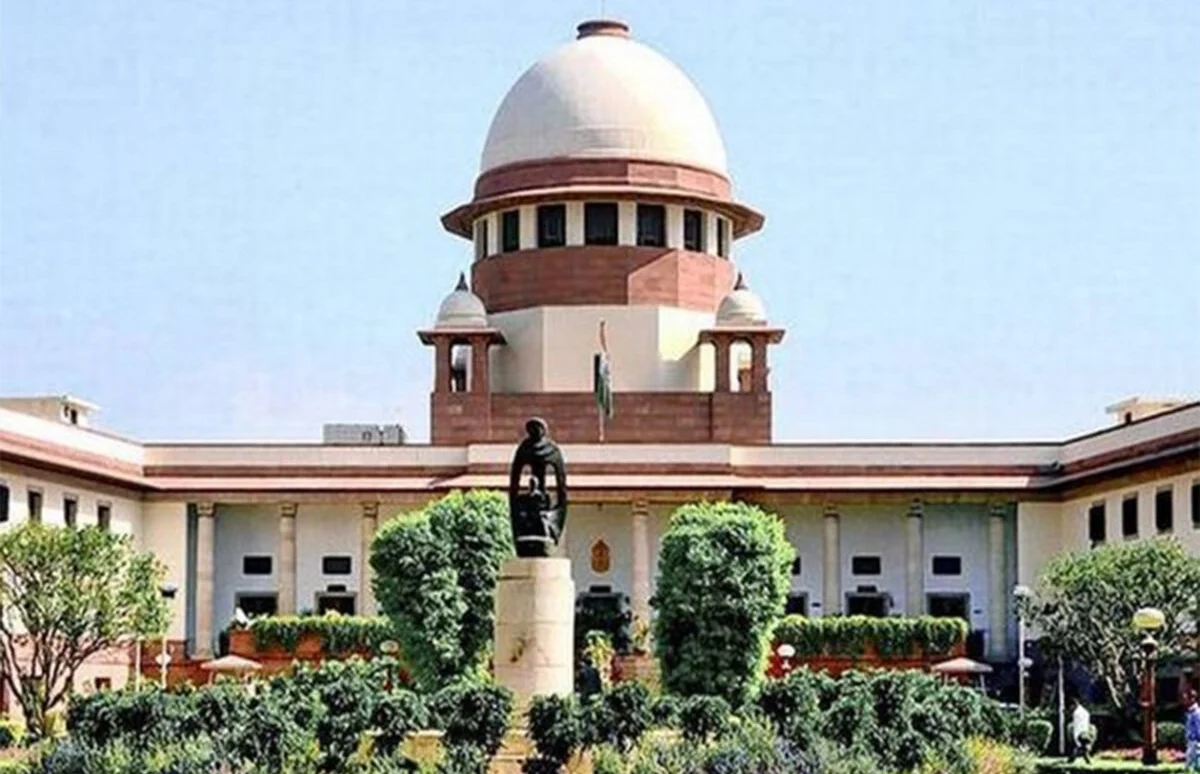
The Supreme Court of India has announced that all hearings for miscellaneous cases will be conducted via video conferencing. This directive is in response to the Central Government’s advisory aimed at conserving fuel during the ongoing global energy crisis, which has been exacerbated by conflicts in West Asia. The court’s decision includes hearings on Mondays, Fridays, and during partial working days, and it remains in effect until further notice.

This initiative is intended to mitigate the need for travel by judges and staff, therefore reducing fuel consumption. By leveraging technology, the Supreme Court aims to maintain the workflow of the judiciary while aligning with governmental efforts to promote sustainable practices. The court’s emphasis on virtual hearings reflects a broader trend in adopting digital solutions amid evolving circumstances.

Encouragement of Car-Pooling and Remote Work

In addition to online hearings, the Supreme Court has encouraged judges to consider car-pooling arrangements. The objective is to optimise fuel usage among staff members who are required to commute to court. Such measures not only support conservation but also foster a collaborative work environment among the judiciary.

Furthermore, a policy enabling up to fifty per cent of Registry staff in each branch to work from home for up to two days per week has been introduced. This work-from-home arrangement will be managed on a rotational basis to ensure that court operations continue without interruption. The discretion to modify these arrangements has been delegated to concerned Registrars, depending on the essential duties of various branches.

This decision underscores the judiciary’s commitment to adapting to current challenges while prioritising the health and safety of its employees. By implementing flexible working conditions, the court aims to balance operational efficiency with the need for fuel conservation.

Fuel Price Hike Amid Global Energy Concerns

The rationale for the price increase is linked to the soaring Brent crude oil prices, which have now stabilised above USD 100 per barrel. These price fluctuations are attributed to tensions in the West Asia region and disruptions in critical maritime routes, particularly the Strait of Hormuz, which is vital for crude oil transportation.

Since February, the regional conflict involving the United States, Israel, and Iran has had a pronounced impact on global fuel markets. The ongoing instability in key supply regions has raised alarms about energy security, prompting the Indian Government to urge the public to adopt more sustainable fuel consumption practices. The Supreme Court’s measures complement these efforts by reducing the need for physical travel, thereby aligning judicial operations with national fuel conservation initiatives.

Long or Short, get news the way you like. No ads. No redirections. Download Newspin and Stay Alert, The CSR Journal Mobile app, for fast, crisp, clean updates!

App Store –  https://apps.apple.com/in/app/newspin/id6746449540 

Google Play Store – https://play.google.com/store/apps/details?id=com.inventifweb.newspin&pcampaignid=web_share

Latest News

Popular Videos
