


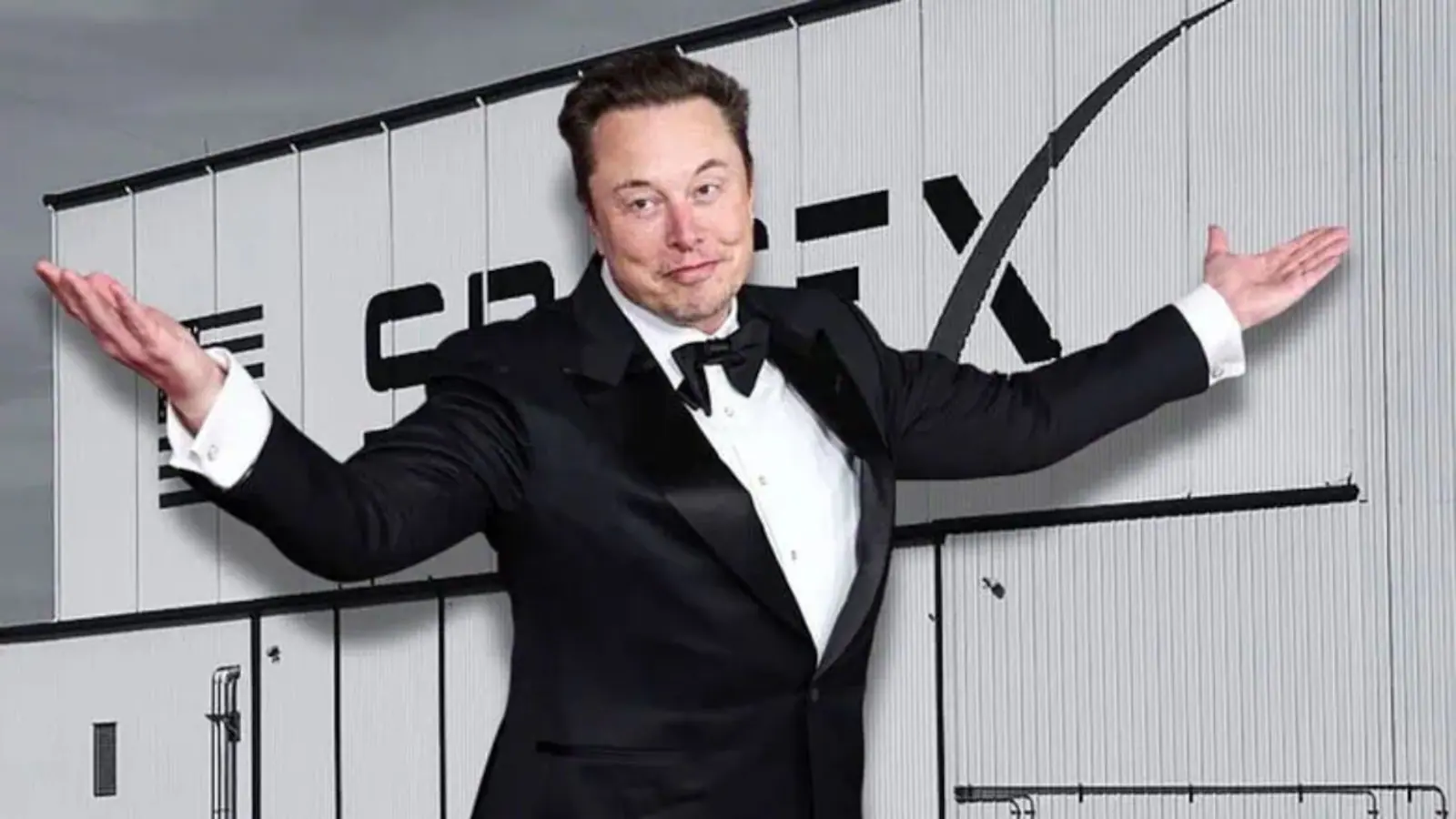

When Russia Wouldn’t Sell Him Missiles, Elon Musk Built SpaceX Instead

The CSR Journal Magazine

Elon Musk’s ambition to reach Mars involved a unique strategy that included negotiating for refurbished Russian intercontinental ballistic missiles (ICBMs). In 2001 and 2002, Musk made trips to Moscow to engage with Russian aerospace and military officials regarding the purchase of surplus Soviet-era missiles. His vision was to repurpose these missiles as low-cost launch vehicles to enable a Mars mission.

Musk’s ambitions were tied to his project called Mars Oasis, aimed at sending a small greenhouse to the Martian surface. This initiative was intended to generate public interest in space exploration. At the time, Musk had recently completed the sale of PayPal and was exploring various funding avenues to make his vision a reality.

Instead of investing time in developing a brand new rocket, Musk viewed purchasing decommissioned ICBMs as a more expedient and economical approach to start his Mars mission. He believed that utilising existing technology could provide a quicker route to launch capability.

Challenges Faced During Negotiations

As Musk engaged with Russian officials, he encountered several challenges in the negotiation process. Reportedly, the prices quoted for the missiles exceeded his expectations significantly, leading to frustration. Additionally, multiple logistical hurdles hindered the discussions, ultimately resulting in an unsuccessful bid.

The unsuccessful negotiations proved to be a turning point for Musk. They highlighted the high costs associated with existing launch systems, sparking his realisation that the construction of rockets from scratch might be a more viable path for achieving his goals.

This change in perspective led Musk to establish SpaceX in 2002, empowered by an initial investment of approximately $100 million from his personal fortunes. The company’s mission focused on reducing space access costs through the development of reusable rockets and a vertically integrated manufacturing process.

The Birth Of SpaceX And Its Impact

More than two decades after its inception, SpaceX has emerged as the world’s leading commercial launch provider. Its Falcon 9 rockets are routinely utilised for carrying satellites, cargo, and astronauts into orbit. Furthermore, the company is progressing with the development of its fully reusable Starship vehicle, designated for future missions to both the Moon and Mars.

Musk’s early attempts in Moscow are often referenced as significant narratives in the history of SpaceX and have been extensively documented in various biographies and historical analyses. He has frequently cited this episode as evidence that depending on established launch providers would not facilitate humanity’s aspiration to become a multi-planetary species.

Paradoxically, an initial failure to purchase outdated missiles ended up birthing a company that reshaped the landscape of modern rocketry. Instead of relying on external sources for rocket technology, Musk opted to create his own, resulting in a profound transformation of the global space industry and accelerating the advancement of reusable launch technologies.

Long or Short, get news the way you like. No ads. No redirections. Download Newspin and Stay Alert, The CSR Journal Mobile app, for fast, crisp, clean updates!

App Store –  https://apps.apple.com/in/app/newspin/id6746449540 

Google Play Store – https://play.google.com/store/apps/details?id=com.inventifweb.newspin&pcampaignid=web_share

Latest News

Popular Videos