


Rural Employment Under New VB-G RAM G Scheme Drops Almost 50% in First Month
The CSR Journal Magazine

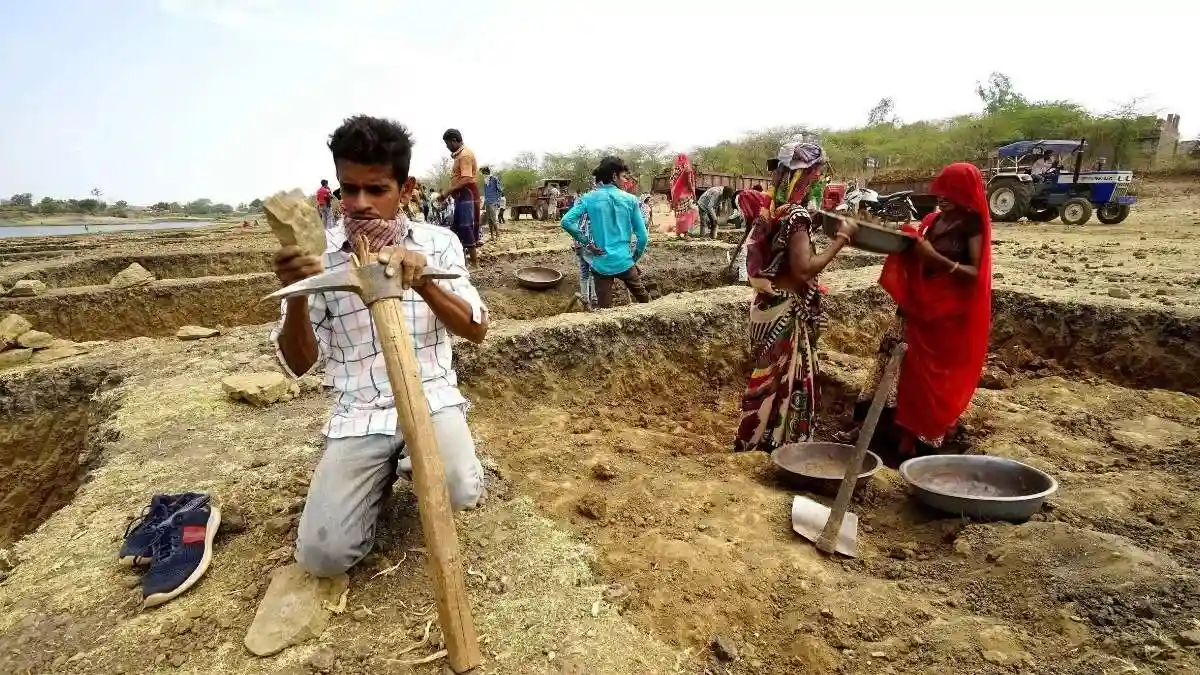
The newly initiated rural employment programme, VB-G RAM G, has seen a substantial decrease in job creation during its inaugural month. Official data reveals that the total person-days of work generated fell to 7.67 crore in July 2026, compared to 15.33 crore in the same month the previous year. This marks a dramatic drop of 49.94% year-on-year, raising concerns about the programme’s effectiveness since its launch on July 1, 2026.

The decline follows the replacement of the Mahatma Gandhi National Rural Employment Guarantee Scheme (MGNREGS), which had been in operation for two decades. The new scheme is touted by the government as a significant enhancement over MGNREGS, pledging a higher annual employment guarantee, increased wages, and a stronger emphasis on generating durable assets in rural areas.

A person-day is defined as one individual receiving employment for one day under the programme, serving as a standard metric to assess work created through the rural jobs initiative. While the government has cited a commitment to enhanced rural employment, the figures from July have raised questions regarding implementation and programme efficacy.

Government’s Stance on Programme Transition

The Ministry of Rural Development claims that the introduction of the VB-G RAM G has not disrupted job provision. In a parliamentary response last month, officials stated that over 99.5% of individuals requesting work under the new scheme had been successfully employed, with more than 5.2 crore person-days reportedly generated by July 22.

However, subsequent data revealed a further decline in employment opportunities as July progressed. This has not been officially addressed by the government, leaving many to speculate on the reasons behind the significant drop in person-days generated during the scheme’s first month. The month-end statistics represent the initial full-month performance for VB-G RAM G, after its launch.

Experts and stakeholders are closely monitoring forthcoming employment figures in the upcoming months to determine whether the decline can be attributed to the transition from MGNREGS or indicates a more general slowdown in rural job creation. The impact of the new framework remains to be fully realised.

Comparative Budget Allocations and Programme Objectives

The VB-G RAM G has been launched with a significantly increased budget of Rs 1.52 lakh crore for the fiscal year 2025-26. This contrasts sharply with the Rs 86,000 crore allocated for MGNREGS, highlighting the government’s commitment to improving rural employment conditions with enhanced financial resources.

In addition to a more substantial budget, the new programme aims to increase the annual employment guarantee from 100 days to 125 days and promises better wages for workers. The revised programme also seeks to create more sustainable rural assets while enhancing the livelihoods of individuals living in rural locations.

Despite the promises and increased funding, the initial performance metrics have brought attention to potential shortcomings in the scheme’s implementation. The sustainability of improvements in rural job creation and the adequacy of measures to equip rural workers with meaningful employment opportunities will be closely evaluated as the programme matures.

Long or Short, get news the way you like. No ads. No redirections. Download Newspin and Stay Alert, The CSR Journal Mobile app, for fast, crisp, clean updates!

App Store –  https://apps.apple.com/in/app/newspin/id6746449540 

Google Play Store – https://play.google.com/store/apps/details?id=com.inventifweb.newspin&pcampaignid=web_share

Latest News

Popular Videos
