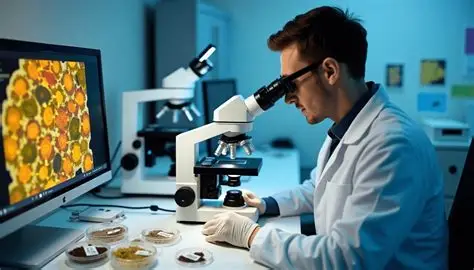
The Role of Pollen in Forensic Science

The CSR Journal Magazine

The recent resolution of a murder case has highlighted the significant role that pollen grains can play in forensic investigations. Researchers have utilised the presence of these microscopic particles to establish connections between crime scenes, victims, and potential suspects. In this particular case, individuals allegedly involved in the crime were traced through the unique pollen signatures found on the victim’s clothing.

Pollen grains are among the smallest and most abundant types of evidence found in nature. They vary from one plant species to another, which allows forensic experts to compile a comprehensive profile of the botanical environment surrounding a crime scene. This botanical evidence can prove vital in establishing links between individuals and locations, especially in cases where physical evidence appears limited.

The precision in pollen analysis lies in its ability to reflect not only geographical landscapes but also seasonal variations. As forensic scientists examine samples, they can determine the specific points where the victim may have travelled before or after the incident. This aspect of forensic botany is instrumental, as it provides an additional layer of context that can corroborate or challenge witness statements.

Investigation Details and Pollen Analysis

Using the data collected from the pollen analysis, detectives were able to narrow down the list of possible suspects. Each suspect’s movements were scrutinised to determine if they could feasibly have been present in both locations identified by the pollen grains. This method of investigation subsequently led to the apprehension of a prime suspect who was reportedly known to frequent the area where the specific pollen originated.

Pollen evidence has historically been used in various criminal cases. The present case reiterates the importance of interdisciplinary approaches in forensic science, where research and expertise from botany enhance traditional forensic methods. The findings from pollen analysis contributed vital information, assisting law enforcement in piecing together the timeline of events leading to the murder.

The Significance of Pollen in Modern Forensics

The use of pollen in forensic investigations is not merely a passing trend; it is increasingly being recognised as a reliable tool for crime scene analysis. Experts believe that incorporating such evidence can significantly bolster the prosecutorial process and improve case resolutions. As the usefulness of botanical evidence becomes more apparent, the forensic community continues to develop methodologies for effective pollen sampling and analysis.

Educational institutions and research organisations are investing in training forensic specialists in botany, with an emphasis on how to interpret pollen data accurately. This holistic integration of environmental science into criminal investigations provides law enforcement with an innovative framework for solving complex cases. The collaboration between different scientific disciplines is becoming a key component in improving investigative outcomes.

The impact of this case serves as a reminder of the untapped potential within environmental evidence and its role in enhancing the field of forensic science. With advancements in technology and analysis techniques, experts expect to uncover even more detailed insights, aiding in the pursuit of justice for victims. The future of forensic investigations looks promising as the connection between nature and crime scene evidence grows stronger.

Long or Short, get news the way you like. No ads. No redirections. Download Newspin and Stay Alert, The CSR Journal Mobile app, for fast, crisp, clean updates!

App Store –  https://apps.apple.com/in/app/newspin/id6746449540 

Google Play Store – https://play.google.com/store/apps/details?id=com.inventifweb.newspin&pcampaignid=web_share

Latest News

Popular Videos