


Germany’s Fossil-Rich Limestone Reveals a New 150-Million-Year-Old Flying Reptile
The CSR Journal Magazine

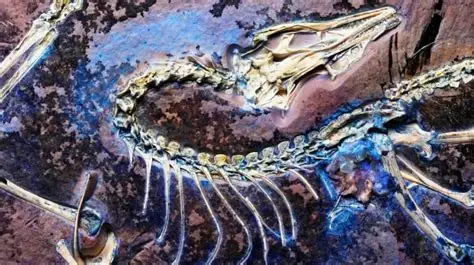
Researchers in Germany have identified a previously unknown species of flying reptile that lived approximately 150 million years ago. The fossil was discovered in limestone deposits located in the southern region of the country, known for its rich troves of prehistoric remains. This finding is significant as it sheds light on the biodiversity of the late Jurassic period, offering new insights into the evolution of pterosaurs.

The new species, dubbed “Batrachognathus,” adds to the array of existing pterosaur specimens primarily found in the region. The fossil indicates characteristics that distinguish it from previously studied species, contributing to the understanding of morphological diversity among flying reptiles of that era. Researchers believe it may have played a crucial role in the ecosystem of its time.

This discovery comes as a part of ongoing projects aimed at unearthing and studying ancient remains in Germany. The limestone deposits, attributed to a shallow marine environment, continue to surprise paleontologists with their cargo of well-preserved fossils.

Details of the Fossil

The fossil of Batrachognathus was remarkably well-preserved, allowing scientists to examine its structural features. Initial analyses reveal that the creature had a wingspan of around two meters and possessed unique cranial characteristics. Such traits suggest that it may have had adaptations for specific feeding and flying strategies within its ecological niche.

High-resolution imaging techniques were employed to analyse the fossil, providing detailed insights into its anatomy. The findings have been published in a recent scientific journal, with researchers advocating for further exploration in this rich fossil site to uncover additional specimens that could expand our understanding of pterosaur diversity.

Comparative studies with related species suggest that Batrachognathus was likely a skilled flyer, potentially hunting small fish or insects. Its elongated jaws and specialized teeth indicate an evolutionary response to the dietary challenges present during the late Jurassic, a time characterised by intense ecological competition.

Implications for Paleontological Research

The identification of Batrachognathus is expected to have significant implications for paleontological research. This discovery underscores the importance of the German limestone deposits as a key site for studying the evolution of pterosaurs and their adaptations over millions of years. Researchers emphasise the site’s potential for yielding more fossils that could provide a clearer picture of prehistoric life.

Furthermore, the discovery is anticipated to spark increased interest in scientific expeditions focused on the late Jurassic era, as scientists aim to uncover more about the interactions between various species of that time. Understanding how pterosaurs evolved could also provide insights into the broader patterns of vertebrate evolution during the Mesozoic era.

In conclusion, the revelation of Batrachognathus marks an essential step in advancing palaeontology, with researchers optimistic about uncovering further discoveries in the years ahead. The fossil continues to be a topic of active research and discussion among paleontologists, contributing valuable information to the narrative of life on Earth millions of years ago.

Long or Short, get news the way you like. No ads. No redirections. Download Newspin and Stay Alert, The CSR Journal Mobile app, for fast, crisp, clean updates!

App Store –  https://apps.apple.com/in/app/newspin/id6746449540 

Google Play Store – https://play.google.com/store/apps/details?id=com.inventifweb.newspin&pcampaignid=web_share

Latest News

Popular Videos
