


An Ancient Sea Once Divided North America From North to South
The CSR Journal Magazine

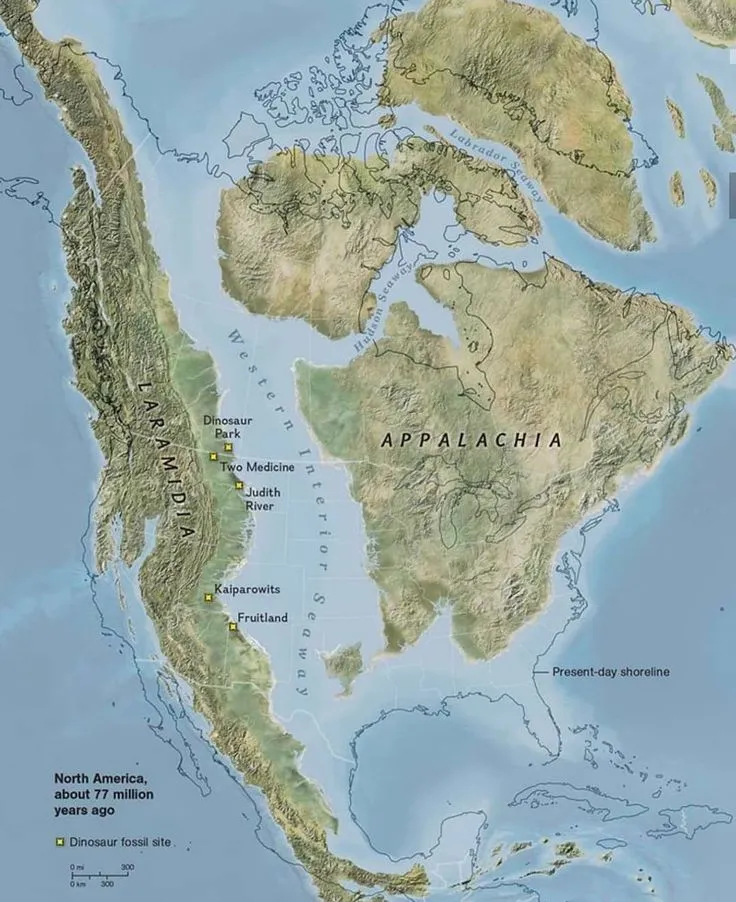
The geological history of North America reveals that an ancient sea, approximately 70 million years old, once split the continent into two halves, extending from the Arctic region down to the Gulf of Mexico. This body of water significantly influenced the ecosystem, providing a habitat for a range of marine life. Fossils uncovered from this period offer a glimpse into the biodiversity of that era, illustrating the rich variety of creatures that thrived within these waters. Researchers have identified numerous species through their findings.

The remnants of this sea date back to the Late Cretaceous period, a time when the land was markedly different from the present landscape. This ancient ocean was not merely a geographic feature; it played a crucial role in shaping the climatic and environmental conditions of North America. The sedimentary layers deposited during this epoch bear evidence of the types of organisms that flourished in this marine habitat.

Furthermore, studies suggest that the sea’s existence impacted the evolution of various species. The isolation created by the water led to distinct evolutionary paths among organisms, some of which became endemic to the region. This separation likely facilitated biological diversity, underpinning the importance of the ancient sea in North America’s ecological history.

Fossils and Their Significance

The fossils uncovered in locations once submerged by this ancient sea are remarkable in their preservation. Many of these relics are now regarded as treasures, contributing valuable information to the scientific community. Some of the most noteworthy fossils include those of marine reptiles and molluscs, which have been discovered sparkling in hues reminiscent of gemstones. These findings provide critical insight into the anatomy and lifestyle of ancient creatures that roamed the waters millions of years ago.

Researchers have employed various methods, such as radiographic imaging, to analyse these fossils more comprehensively. This advanced technology allows for a deeper understanding of the internal structures of these specimens without causing damage. The intricate designs and markings found on the fossils help scientists ascertain not only the species but also the environmental conditions these creatures endured during their lifetime.

In addition to the individual significance of each fossil, collectively, they paint a broader picture of the marine ecosystems that existed during the Cretaceous period. Through continued excavation and research, scientists aim to uncover more about the interactions between different species and their adaptations to this ancient environment.

Modern Day Implications

The study of these ancient marine ecosystems has implications for contemporary science, particularly in understanding climate change and evolutionary biology. Insights from the past can inform scientists about how current organisms might respond to environmental shifts. Furthermore, examining the remnants of this ancient sea can provide context for current oceanographic studies, as many principles of marine ecology remain applicable today.

Educational institutions and research centres are increasingly focusing on these ancient marine fossils, promoting interdisciplinary approaches that merge geology, paleontology, and climate science. Collaborative efforts aim to raise awareness of the historical significance of this ancient sea among students and the general public, fostering a greater appreciation for geological history.

The fascination surrounding the ancient sea and its inhabitants continues to captivate the public imagination. As scientists unveil more discoveries, the legacy of this prehistoric ocean contributes to the ongoing narrative of life on Earth. Future explorations promise to further highlight the importance of preserving geological and paleontological sites, ensuring that the knowledge gained from these treasures remains accessible for generations to come.

Long or Short, get news the way you like. No ads. No redirections. Download Newspin and Stay Alert, The CSR Journal Mobile app, for fast, crisp, clean updates!

App Store –  https://apps.apple.com/in/app/newspin/id6746449540 

Google Play Store – https://play.google.com/store/apps/details?id=com.inventifweb.newspin&pcampaignid=web_share

Latest News

Popular Videos
