


Putin Dismisses Impact of Ukrainian Strikes as Russia Faces Fuel Shortages
The CSR Journal Magazine

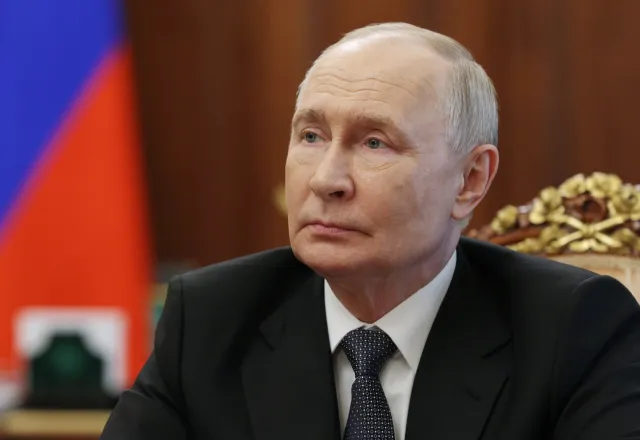
Russian President Vladimir Putin has downplayed the impact of Ukraine’s escalating attacks on Russia’s energy infrastructure, insisting the strikes will not force Moscow to alter its war objectives or accept ceasefire terms proposed by Kyiv and its allies.

His remarks came as Russia launched a major overnight assault on Kyiv that lasted nearly 11 hours and killed at least 21 people, according to Ukrainian authorities. The attack unfolded against the backdrop of mounting pressure on Russia’s oil sector, where repeated Ukrainian strikes have disrupted refining operations and contributed to fuel shortages across several regions.

Ukrainian Strikes Target Russia’s Energy Sector

Since March, Ukraine has reportedly carried out more than 50 attacks on oil refineries and other energy facilities in Russia and Russian-occupied Crimea. Ukrainian officials have said the campaign is intended to increase pressure on Moscow and raise the economic cost of continuing the war.

The strikes have also brought the conflict closer to daily life inside Russia, challenging the Kremlin’s long-standing narrative that the war has limited impact on ordinary citizens.

According to Chris Weafer, chief executive of consultancy Macro-Advisory, roughly one-third of Russia’s oil refining capacity has been knocked offline. He said the damage caused by the attacks is substantial and likely to require costly and lengthy repairs.

One of Moscow’s largest refineries has reportedly been struck twice despite extensive air-defence systems protecting the capital. The latest attack, on June 18, triggered a fire and damaged critical equipment that may not be fully repaired until the end of the year.

Fuel Shortages Deepen Across Russia

Official Russian data indicates that gasoline production has fallen by approximately 17 per cent to around 850,000 barrels per day.

The decline has led to fuel shortages in several regions, prompting authorities to introduce rationing measures. In some areas, motorists have reportedly faced long queues at fuel stations.

Crimea has experienced some of the most severe disruptions, with sales of petrol to individual consumers reportedly suspended altogether.

The shortages prompted Putin to convene a meeting with senior government officials last weekend. During televised remarks, he acknowledged that Russia was experiencing a “difficult period” but described the situation as manageable.

Putin promised to accelerate repair work at damaged facilities and said Russia was considering petrol imports to address what he characterised as temporary supply disruptions. He also announced plans to increase production of air-defence systems to protect critical infrastructure from future attacks.

Putin Rejects Ceasefire Proposals

The Russian President accused Ukraine of using attacks on energy facilities to create internal divisions within Russia and pressure Moscow into accepting negotiations on terms favourable to Kyiv.

“We will not give them that chance,” Putin said.

He further argued that the strikes on Russian oil infrastructure had “absolutely no effect on the situation at the front”, maintaining that Russian forces continue to advance along the approximately 1,000-kilometre front line.

Western military analysts have offered a different assessment, suggesting that Ukrainian strikes have complicated Russian logistics and contributed to a slowing of Moscow’s offensive operations, resulting in a battlefield stalemate in several areas.

Putin has also dismissed ceasefire proposals put forward by Ukraine and its Western partners, arguing that any pause in fighting would allow Ukrainian forces to regroup and strengthen their positions.

He has repeatedly stated that a ceasefire would only be possible if Ukraine withdrew from the parts of the Donetsk region still under Kyiv’s control, a demand that Ukrainian authorities have rejected.

Moscow Maintains Hardline Position

Putin has continued to insist that any final peace settlement must include Ukraine abandoning its ambition to join NATO, reducing its military capabilities and guaranteeing protections for Russian language and culture.

After Ukrainian President Volodymyr Zelenskyy proposed a direct meeting, Putin responded by suggesting that the Ukrainian leader travel to Moscow, a proposal Kyiv considers unacceptable.

In a recent interview with Russian state television, Putin claimed Ukraine had suggested limiting military operations to the four regions annexed by Russia in 2022: Donetsk, Luhansk, Kherson and Zaporizhzhia.

According to Putin, he rejected the proposal because it would allow Ukrainian forces stationed elsewhere to reinforce positions in the south-east.

“Faced with a catastrophic shortage of personnel, the armed forces of Ukraine apparently believe this could be their salvation,” he said. “Saving the Kyiv regime is not part of our plans.”

The Kremlin said the proposal had been conveyed through confidential channels, while Ukrainian officials have not publicly commented on the claim.

Kyiv Attack Highlights Continuing Escalation

Putin also rejected a Ukrainian proposal to halt long-range strikes into each other’s territory, arguing that Russian attacks are “much more powerful, sensitive and, frankly speaking, destructive”.

Hours after those remarks, Russia launched another large-scale attack on Kyiv, striking residential areas while maintaining that military targets were being targeted.

Ukrainian attacks inside Russia, by contrast, have largely focused on oil facilities, weapons factories and other sites linked to the country’s military infrastructure.

The latest developments underscore the widening gap between the positions of the two sides. While Ukraine is seeking to increase pressure on Russia by targeting key economic assets, Moscow continues to intensify military operations and reject ceasefire proposals that do not align with its core strategic demands.

According to United Nations estimates, more than 16,000 Ukrainian civilians have been killed since Russia launched its full-scale invasion of Ukraine in February 2022.

Long or Short, get news the way you like. No ads. No redirections. Download Newspin and Stay Alert, The CSR Journal Mobile app, for fast, crisp, clean updates!

App Store –  https://apps.apple.com/in/app/newspin/id6746449540 

Google Play Store – https://play.google.com/store/apps/details?id=com.inventifweb.newspin&pcampaignid=web_share

Latest News

Popular Videos
