


Libya Drone Strike Damages Zawiya Electrical Substation
The CSR Journal Magazine

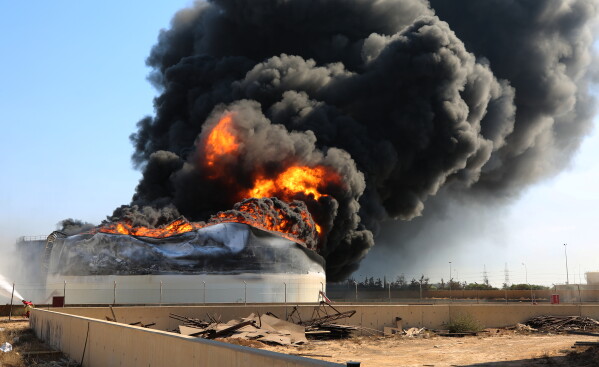
A drone strike on Wednesday in western Libya resulted in a significant fire at an electrical substation in the city of Zawiya, which subsequently went out of service. This incident has compounded the ongoing attacks on the nation’s oil and power infrastructure. The strike has heightened tensions in the region, particularly given Zawiya’s strategic importance in Libya’s energy sector.

The General Electricity Company of Libya reported that the facility, critical for connecting power plants to residential and commercial areas, was entirely consumed by flames. Footage released by the company depicted large fireballs and immense flames erupting from the burning substation.

Zawiya, which has a population of approximately 250,000, is situated around 47 kilometres west of Tripoli and houses significant energy installations, including the country’s largest oil refinery, an export terminal, and a power plant.

Government Response and Previous Attacks

The drone strike was not an isolated incident but rather occurred in the context of increased violence targeting infrastructure in the area. Earlier in the week, a drone also struck a fuel tank at Zawiya’s refinery, leading to a large fire that firefighters extinguished after more than 15 hours of effort. The state-run National Oil Corporation confirmed that the refinery had experienced several attacks over the preceding weekend and once again on Tuesday.

Furthermore, on Tuesday, the power plant in the vicinity was targeted by two drones; one damaged its firefighting system while the other landed near the fuel storage area and ignited a fire. The attacks have disrupted operations and raised security concerns for personnel working at these vital facilities.

Impact on Energy Production and Foreign Relations

In the immediate aftermath of the Tuesday attack, the General Electricity Company announced that the US firm General Electric opted to withdraw its teams from the site until security conditions improved and a safe working environment could be ensured. General Electric has been responsible for maintenance and upgrade work at the plant, and its departure has resulted in a significant loss of power generation, diminishing production capacity by more than 700 megawatts from an estimated 1,300-megawatt total.

Libya’s political landscape remains divided between rival governments in the east and west, both of which are backed by various armed groups and foreign powers. Dbeibah leads the western administration, while the eastern region is governed by Prime Minister Ossama Hammad. This division complicates the already fragile security environment.

On a diplomatic level, the attack coincided with meetings held in Tripoli between Turkish Foreign Minister Hakan Fidan and Libyan leaders, including Dbeibah and Presidential Council chairman Mohammad Younes Menfi. Following these discussions, Fidan travelled to Benghazi to engage with military commander Khalifa Hifter. Turkey has been a principal foreign ally of Dbeibah’s government, although recent years have seen increased engagement with eastern authorities as well.

Long or Short, get news the way you like. No ads. No redirections. Download Newspin and Stay Alert, The CSR Journal Mobile app, for fast, crisp, clean updates!

App Store –  https://apps.apple.com/in/app/newspin/id6746449540 

Google Play Store – https://play.google.com/store/apps/details?id=com.inventifweb.newspin&pcampaignid=web_share

Latest News

Popular Videos
