


Protest Against Ken-Betwa Project in Madhya Pradesh Concludes After 15 Days
The CSR Journal Magazine

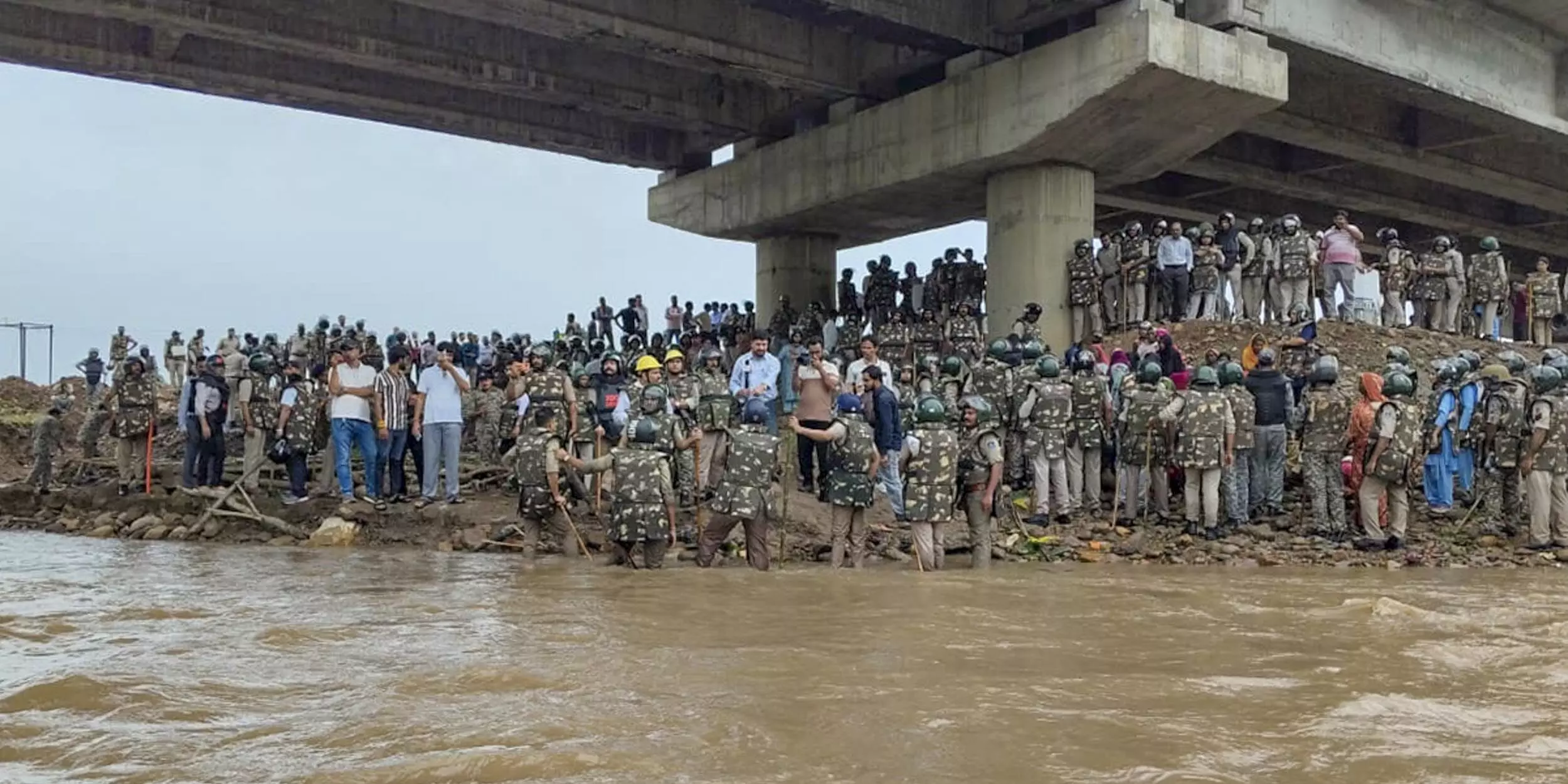
The 15-day protest against the Ken-Betwa Link Project and various development works in Chhatarpur district of Madhya Pradesh came to a close on Sunday. Police officials dismantled the protest site and facilitated the transportation of demonstrators back to their villages. While some protestors claimed that movement leader Amit Bhatnagar had been detained, police denied any such arrests, assuring that participants were returned to their homes without incident.

Nature of the Protest and Demands

The agitation, primarily driven by tribal women, began on July 3 along the banks of the Barana river near Kupi village. Bhatnagar had been on an indefinite hunger strike for eleven days, expressing significant concerns regarding the river-linking project as well as other developmental initiatives in the vicinity. Protesters engaged in various forms of symbolic resistance, such as jal satyagraha, chita satyagraha, and faansi satyagraha. The demands centred around alleged irregularities, environmental compliance, and the safeguarding of legal rights affecting local communities.

As the protest evolved, its leaders specifically highlighted concerns surrounding the proposed project, which is the first river-linking initiative under India’s National Perspective Plan. This initiative aims to channel surplus water from the Ken river to the Betwa river to enhance irrigation and provide drinking water in the drought-affected Bundelkhand region, which spans both Madhya Pradesh and Uttar Pradesh.

Divya Ahirwar, a prominent voice within the movement, alleged that a considerable number of police personnel arrived at the protest site around 5 am on Sunday, apprehending Bhatnagar and other demonstrators before he could relay further information to the media. According to her, the agitation had also spotlighted alleged corruption linked to the project, amounting to Rs 400 crore, demanding lawful adherence to project execution that also protects the constitutional rights of the adversely affected communities.

Claims of Irregularities and Government Response

Over the course of the protest, participants highlighted various concerns regarding land acquisition procedures, as well as rehabilitation and environmental safeguards. The administration has consistently refuted these claims, asserting that the project is being implemented according to existing legal frameworks. Officials described the Ken-Betwa Link Project as an essential initiative expected to catalyse irrigation improvements and enhance access to drinking water in the region.

Despite official statements, protestors argued that prior commitments made by the administration had not been fulfilled. Bhatnagar accused the authorities of failing to provide justice to families affected by both the Ken-Betwa Link Project and additional irrigation projects, claiming that many families had lost vital agricultural lands, forests, and water sources, thereby jeopardising their livelihoods and cultural identities. He also expressed concerns over reported threats to affected families, such as false legal cases and unwarranted evictions.

With the conclusion of the protest and the dispersal of demonstrators back to their villages on Sunday, the ongoing disagreement between protestors and the administration regarding the Ken-Betwa Link Project and related initiatives remains unresolved. The demonstration marked a significant expression of dissent from the local community, underscoring enduring tensions regarding developmental policies and their impacts on indigenous populations.

Long or Short, get news the way you like. No ads. No redirections. Download Newspin and Stay Alert, The CSR Journal Mobile app, for fast, crisp, clean updates!

App Store –  https://apps.apple.com/in/app/newspin/id6746449540 

Google Play Store – https://play.google.com/store/apps/details?id=com.inventifweb.newspin&pcampaignid=web_share

Latest News

Popular Videos
