


Prime Minister Modi Advocates For Work-From-Home Amid Energy Crisis
The CSR Journal Magazine

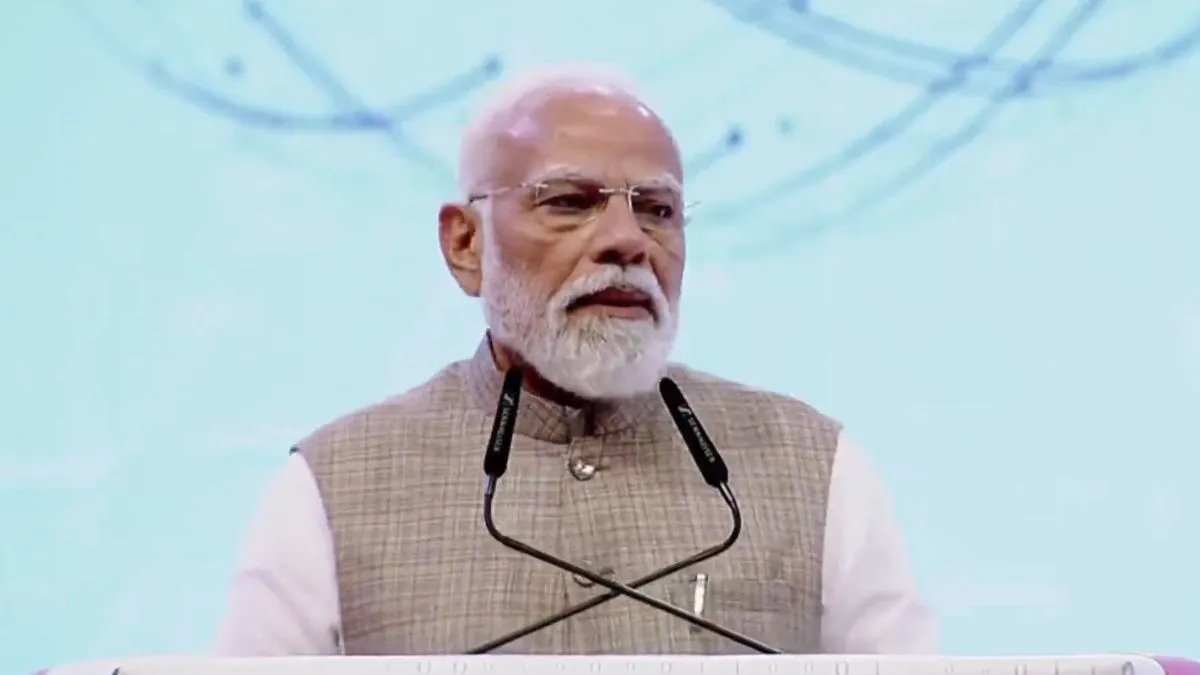
The appeal for work-from-home (WFH) arrangements has resurfaced as Prime Minister Narendra Modi encourages citizens to adopt this approach in response to the ongoing energy crisis. WFH, which became a mainstream practice during the Covid-19 pandemic, had initially subsided as businesses resumed in-office operations. However, the current global energy situation, particularly concerning oil and natural gas shortages, has prompted discussions on the viability of remote work once again.

As the world shifts to address the escalating supply issues in the energy market, Modi’s suggestion highlights a proactive strategy to mitigate economic impacts. The backdrop of this recommendation includes a prolonged blockade at the Strait of Hormuz, a critical channel for oil transport, compounded by geopolitical tensions involving the US and Iran.

Recent regional developments indicate a growing trend toward flexible work policies. Many nations are already implementing reduced work weeks and encouraging remote work to conserve resources, highlighting the shift in organisational strategies driven by necessity.

Policy Changes in the Region

In light of the urgency surrounding energy conservation, various countries have enacted policy changes. Notably, Pakistan has introduced a four-day work week for government offices and mandated that sectors, such as agriculture and essential services, transition to a WFH model for half their workforce. This shift aims to alleviate pressure from the ongoing energy crisis and align with Modi’s priorities for India.

Additionally, neighbouring nations are taking steps toward flexibility in work arrangements. Vietnam has urged employers to facilitate WFH whenever possible, while Thailand has advised civil servants to maintain higher air conditioning temperatures and adopt remote work practices. The Philippines has followed suit, making WFH compulsory for government employees and encouraging private sector participation in this transition.

Bangladesh, facing similar energy-related challenges, has also taken measures to conserve fuel by reducing working hours, suspending in-person educational classes, and promoting virtual learning. Thus, the regional landscape depicts a collective shift towards remote work as a tactical response to an impending energy crisis.

Response to Modi’s Appeal and Future Considerations

The Prime Minister’s appeal elicited a range of reactions from the public and industry stakeholders. Online support surged shortly after his announcement, with many advocating for WFH as a necessary step to conserve fuel during this crisis. The Forum For IT Employees encouraged companies to resume remote work arrangements, emphasising the benefits of online meetings and video conferencing.

A significant discourse emerged around the practicality of implementing WFH, especially within the IT sector, which has demonstrated adaptability in its operations. However, some industry voices have pointed out that substantial investments in physical office spaces since the pandemic could deter businesses from fully adopting remote work again.

The discussions surrounding Modi’s suggestion reflect a broader societal debate on work practices in the face of challenges. Many citizens echoed sentiments that adapting to temporary changes may become imperative as the energy situation evolves. Amidst these deliberations, a general call for unity in conserving resources and embracing alternative work solutions underscores the urgency of addressing the impending energy crisis.

Long or Short, get news the way you like. No ads. No redirections. Download Newspin and Stay Alert, The CSR Journal Mobile app, for fast, crisp, clean updates!

App Store –  https://apps.apple.com/in/app/newspin/id6746449540 

Google Play Store – https://play.google.com/store/apps/details?id=com.inventifweb.newspin&pcampaignid=web_share

Latest News

Popular Videos
