


PM Modi Advocates Reducing Dependence on Imports Amid West Asia Conflict
The CSR Journal Magazine

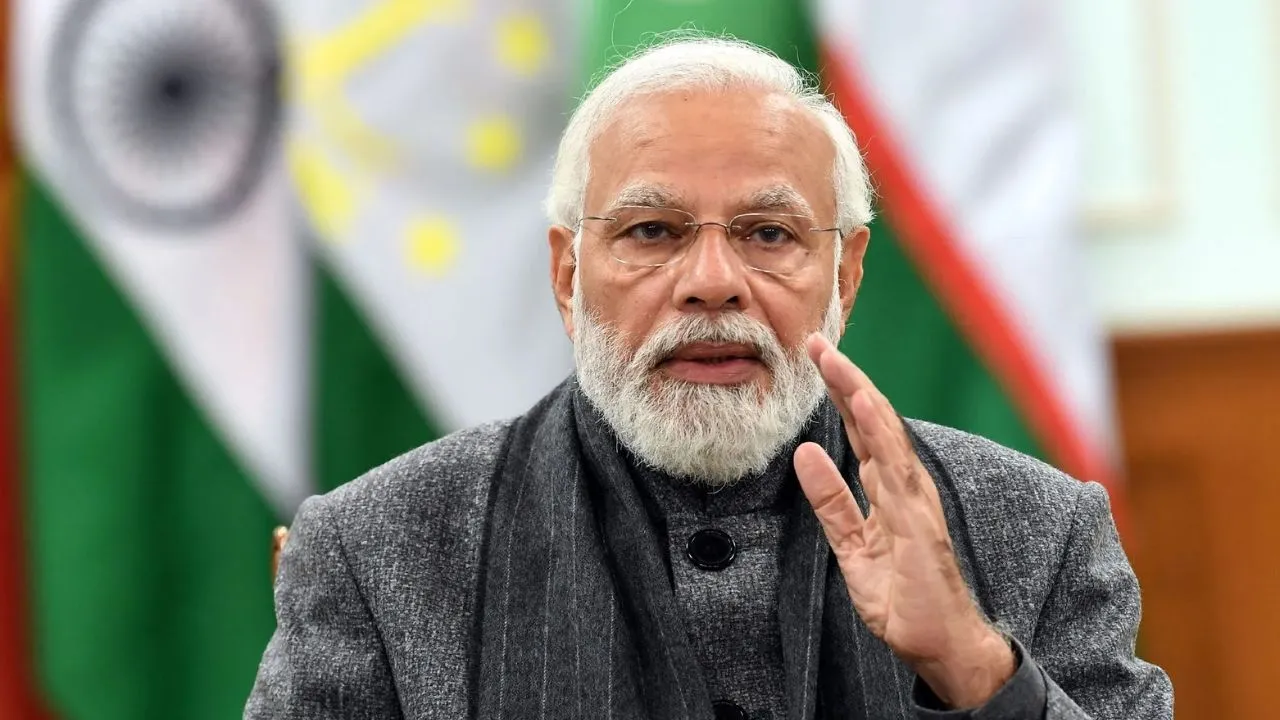
Prime Minister Narendra Modi has reiterated the importance of collective responsibility in addressing economic challenges brought on by geopolitical tensions in West Asia. Speaking at an event in Vadodara, Gujarat, on May 11, he acknowledged the turmoil that the world is currently experiencing, notably due to the ongoing crisis in West Asia, the COVID-19 pandemic, and various economic hardships. Modi described the West Asia conflict as a significant crisis of this decade, urging citizens to contribute to mitigating the nation’s reliance on foreign goods.

Call for Action on Imports

During his address, Modi emphasised that India spends vast sums of Rs in foreign exchange on imports, which are becoming increasingly expensive. He noted that disruptions in global supply chains have added to these challenges. The Prime Minister encouraged those present to consider how every effort, no matter how small, can collectively have a positive impact. He stated, “We must reduce the use of products that come from abroad and avoid unnecessary dependence on imported goods in our daily lives.” This statement highlighted his appeal for a cultural shift towards local products.

Modi acknowledged the ongoing struggles faced by the nation, particularly in light of recent crises. He cited the COVID-19 pandemic as the largest challenge of the century and asserted that the circumstances arising from the conflict in West Asia represent a major crisis of the current decade. Encouraging a unified response, he expressed optimism that the nation will navigate through this situation as it did with the pandemic, while assuring that his government is committed to minimising the adverse effects on citizens.

Moreover, he pointed out that a significant portion of India’s imports is comprised of crude oil, and stressed the detrimental impact of instability in oil-producing regions. Modi suggested that citizens should adopt specific measures, such as utilising public transport, carpooling, and making use of electric buses to reduce petrol and diesel consumption. He also promoted the idea of working from home to alleviate some of the pressure from economic factors influencing daily life.

Encouraging Local Production and Sustainability

In addition to reducing import reliance, Modi called for citizens to postpone gold purchases until conditions improve. He outlined that a substantial amount of India’s foreign exchange is spent on gold imports, advocating for a collective effort to prioritise local products over foreign goods. He stated that the current situation demands a proactive approach from citizens in supporting local entrepreneurs and businesses, stating, “It is essential that we turn ‘Vocal for Local’ into a people’s movement.”

He urged the populace to empower local artisans and businesses by choosing locally manufactured items over imported alternatives. This, he explained, would bolster local economies and ultimately contribute to the nation’s stability. Modi underscored the potential of digital technology to facilitate improvements in daily operations, thereby aligning with the goal of reducing foreign dependence.

In conclusion, Modi’s appeal reflects a significant call for national unity in addressing economic challenges. By adopting small yet impactful initiatives in daily routines, he posits that citizens can collectively contribute to a more resilient future for India. Through concerted efforts, the government aims to address immediate concerns while fostering a forward-thinking approach that benefits the country as a whole.

Long or Short, get news the way you like. No ads. No redirections. Download Newspin and Stay Alert, The CSR Journal Mobile app, for fast, crisp, clean updates!

App Store –  https://apps.apple.com/in/app/newspin/id6746449540 

Google Play Store – https://play.google.com/store/apps/details?id=com.inventifweb.newspin&pcampaignid=web_share

Latest News

Popular Videos
