


US Establishes Multinational Drone Task Force Amid Ongoing Conflict
The CSR Journal Magazine

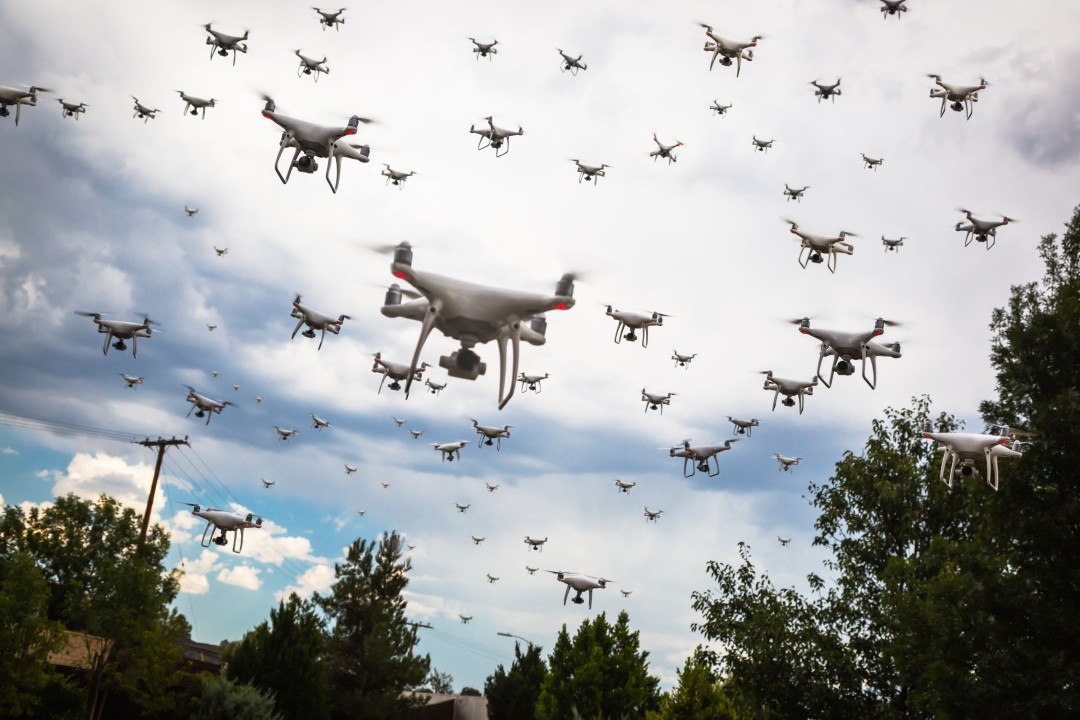
The United States has initiated a notable development in military drone operations by launching Task Force Falcon Strike, a multinational, multi-domain attack drone task force. This announcement was made by US Central Command (CENTCOM) on 13 August, in response to escalating pressures from the conflict involving Iran. The task force aims to incorporate a variety of unmanned systems capable of conducting strikes from air, sea, and underwater platforms.

According to CENTCOM, the task force will deploy one-way attack drones, operated jointly by US forces and allied regional partners. Although the US has begun consultations with potential partners, it has yet to disclose the specific countries expected to join the initiative. Currently, Gulf allies, such as Saudi Arabia and the United Arab Emirates, have not publicly confirmed their participation in the task force.

As the task force seeks to broaden its capabilities, it is anticipated that more countries will join efforts to enhance the operational effectiveness of attack drones throughout the Middle East. Admiral Brad Cooper, the CENTCOM commander, emphasized the task force’s mission to build on the successes of previous initiatives.

Significance of One-Way Attack Drones

Task Force Falcon Strike is reportedly a continuation of CENTCOM’s earlier initiative, Task Force Scorpion Strike, which was established about nine months prior. This earlier task force was the US military’s first dedicated one-way attack drone squadron in the region and achieved several operational milestones, including a significant aerial drone launch from a US Navy warship.

The establishment of Falcon Strike will leverage innovations emerging from regional allies and partners, further integrating one-way unmanned aerial systems in various operations. This integration is expected to enhance the strike capabilities available to the US military and its allies amid ongoing military engagements.

Personnel from US Special Operations Command Central (SOCCENT), the force behind Scorpion Strike, will also lead the new task force, highlighting a continuity of leadership and strategies in US drone operations in the Middle East.

Challenges Facing the US Drone Fleet

The US military is currently grappling with the significant strain on its drone fleet, particularly around the strategically vital Strait of Hormuz. Reports indicate that at least 45 MQ-9 Reaper drones have been lost since the onset of the Iran conflict, equating to around one-fourth of the total Reaper fleet. These losses have raised serious concerns about the ability to replenish unmanned stocks effectively.

In light of these operational pressures, the Pentagon is reportedly shifting its focus towards developing cost-effective armed surveillance drones capable of operating in swarms. This strategic move aims to ensure that the US maintains its edge in unmanned warfare capabilities despite the current depletion of resources.

Amid these challenges, the Trump administration has proposed a funding package of $67 billion to Congress. This funding is intended to address the financial implications of the ongoing conflict with Iran and to replenish military supplies that have been severely affected by the war. The urgency for additional funding has been highlighted by Defence Secretary Pete Hegseth, who warned that without it, military training programmes could be curtailed.

Long or Short, get news the way you like. No ads. No redirections. Download Newspin and Stay Alert, The CSR Journal Mobile app, for fast, crisp, clean updates!

App Store –  https://apps.apple.com/in/app/newspin/id6746449540 

Google Play Store – https://play.google.com/store/apps/details?id=com.inventifweb.newspin&pcampaignid=web_share

Latest News

Popular Videos
