


Parliament Deadlock Expected To Resolve With Discussions On Anti-Paper Leak Bill
The CSR Journal Magazine

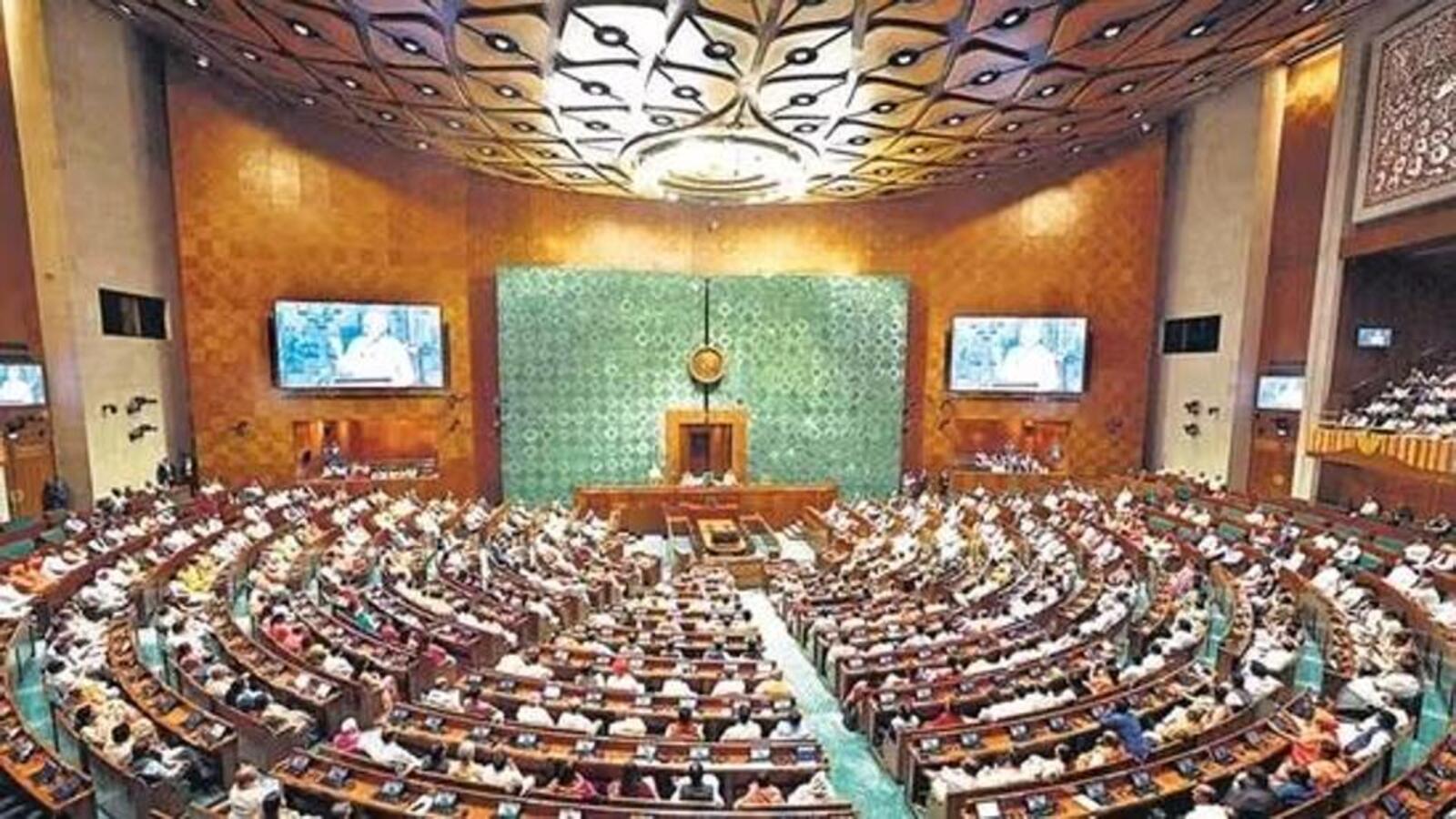
The deadlock in Parliament regarding the Public Examinations (Prevention of Unfair Means) Amendment Bill, 2026, is likely to be resolved, as all major political parties have reportedly agreed to initiate discussions on Tuesday, July 28. Sources indicate that engagement between various political factions led to this agreement, aimed at overcoming earlier disruptions caused by opposition members.

Both Houses of Parliament were previously adjourned due to ongoing disagreements. Lok Sabha Speaker Om Birla has taken the initiative to encourage a robust dialogue by offering a dedicated six-hour session focused solely on the Public Examinations Bill. He has emphasised the importance of unity amongst parties for the successful reform of the competitive examination process in India.

In ongoing discussions, Om Birla has been interacting with floor leaders of different political parties to foster consensus. Reports suggest that this proactive approach has yielded positive results, with both ruling and opposition parties agreeing to a comprehensive discussion on the bill.

Key Features of the Amendment Bill

The amendment Bill was introduced following widespread protests across the nation related to the NEET-UG paper leak incident. Its primary objective is to significantly reduce occurrences of paper leaks, cheating, and the activities of organised examination mafias. Union Minister Jitendra Singh was responsible for introducing the bill in the House, and its provisions aim to strengthen regulatory measures within public examinations.

One notable aspect of the amendment is the increase in punitive measures for those involved in examination malpractices. The proposed punishment for individuals has been raised from a maximum of five years to a duration of “five years but which may extend up to ten years.” Additionally, the fine that offenders may face has been increased to Rs 50 lakhs. The minimum jail sentence for organised crime associated with examinations is now proposed to be seven years, which replaces the previous minimum term of five years, and the fine may increase to Rs 10 crore.

Another significant provision involves the establishment of Special Fast Track Courts dedicated to handling offences under this legislation. The aim is to streamline the judicial process and ensure swift justice for violations connected to public examinations.

Parliamentary Affairs Minister’s Call for Discussion

Union Parliamentary Affairs Minister Kiren Rijiju has encouraged opposition leaders to participate in the discussion, asserting that additional time for deliberation could be granted if required. He mentioned that many members have adequately prepared for the upcoming conversations, with several opposition figures even submitting proposed amendments.

Rijiju noted the bill’s importance to students and youth, criticising the Congress party and its allies for resisting the discussion. He indicated that all members should seize the opportunity to engage in dialogue over a bill that has significant implications for the educational landscape. The Speaker’s allocation of six hours for this matter shows a commitment to facilitating thorough debate.

In his remarks to the Lower House, Rijiju expressed disappointment over the opposition’s tactics, urging them to reconsider their approach. He pointed out that prolonging the deadlock would not be beneficial and implored all parties to participate in what he termed a crucial discussion for the future of young individuals in India.

Long or Short, get news the way you like. No ads. No redirections. Download Newspin and Stay Alert, The CSR Journal Mobile app, for fast, crisp, clean updates!

App Store –  https://apps.apple.com/in/app/newspin/id6746449540 

Google Play Store – https://play.google.com/store/apps/details?id=com.inventifweb.newspin&pcampaignid=web_share

Latest News

Popular Videos
