


US Places India in Lower 10 Per Cent Tariff Tier
The CSR Journal Magazine

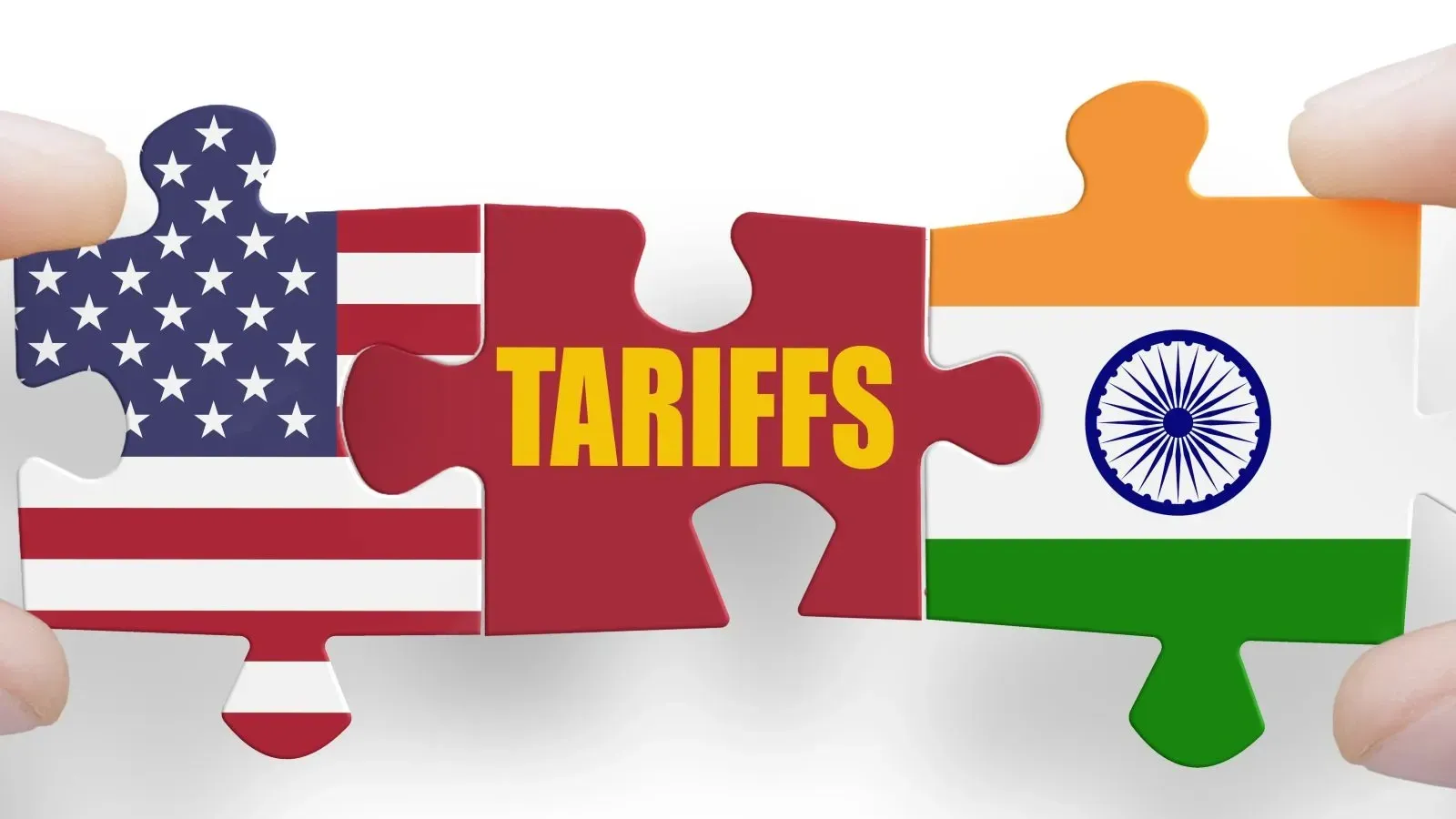
The United States has officially designated India within the lower 10 per cent tariff bracket as part of its Section 301 measures concerning alleged forced labour issues. This classification is viewed by the Indian government as a significant advantage for its export industry. On July 26, the United States Trade Representative (USTR) published the final measures under Section 301 of the US Trade Act of 1974, initiating an additional 10 per cent import duty on select Indian goods effective from July 24.

The imposition followed an extensive USTR investigation involving 60 economies, including India, which assessed their practices regarding the prohibition of goods produced through forced labour. Initially, a proposed 12.5 per cent tariff on Indian imports was mentioned, with the final decision settling on a 10 per cent duty, replacing a temporary measure that had been in place for 150 days from February 24.

The Commerce Ministry of India confirmed its active participation during the USTR’s investigation, having submitted detailed written responses and engaged in public consultations. Officials stated that due to these interactions, India has been identified as being in a more favourable tariff position compared to many other nations involved in the review.

Impact on Indian Exports

Furthermore, products classified under earlier Section 232 measures—including steel, aluminium, and auto components—remain exempt from the additional import duty, as these items already incur higher tariffs of 25 to 50 per cent in addition to the standard most favoured nation (MFN) rate in the US market. In response to these tariff classifications, over 45 per cent of India’s exports to the US will not be subjected to the new 10 per cent duty, as clarified by the Ministry.

Despite the relatively lower tariff incidence for Indian goods, the remaining 55 per cent will face the additional levy. The Indian government has reassured that its overall tariff situation continues to be more favourable compared to many other countries scrutinised during the investigation.

Concerns from the Textile Sector

In light of discussions surrounding the new tariff structure, the Indian textile industry has raised concerns regarding the absence of a textile-specific mechanism under the final Section 301 measures. The Ministry is actively engaging with US counterparts on this matter as part of ongoing negotiations for the Bilateral Trade Agreement (BTA).

Industry stakeholders noted that the new US tariff regime has not extended the textile and apparel tariff-rate quota (TRQ) exemptions to India, which are available to countries like Bangladesh, Cambodia, Indonesia, and Malaysia. These countries have been allowed to import US-origin cotton for their manufacturing processes without incurring additional tariffs for an initial three-year period, raising competitive concerns for Indian textile exporters.

Textiles and apparel account for almost USD 11 billion annually of India’s exports to the US, which remains the largest market for these products. The Confederation of Indian Textile Industry (CITI) expressed trepidation that the new duties could impact the export of intermediate textile products, ultimately affecting India’s presence in other markets.

Continued Negotiations for Trade Agreements

The India-US negotiations on the Bilateral Trade Agreement are ongoing, with both countries having established a framework for the first phase of their discussions. India aims to secure advantageous tariff conditions compared to rival exporters as the talks proceed.

In February, Commerce and Industry Minister Piyush Goyal expressed optimism about India’s prospects for obtaining preferential tariff access for garments made using US-sourced cotton. The finalisation of such terms will be pivotal for enhancing India’s trade standing in the textile sector within the global market.

The investigation into alleged excess industrial capacity remains pending, which may also impact future tariff policies. Analysts are awaiting the US administration’s findings on this issue, which could introduce further tariff measures affecting a wide range of industrial products.

Long or Short, get news the way you like. No ads. No redirections. Download Newspin and Stay Alert, The CSR Journal Mobile app, for fast, crisp, clean updates!

App Store –  https://apps.apple.com/in/app/newspin/id6746449540 

Google Play Store – https://play.google.com/store/apps/details?id=com.inventifweb.newspin&pcampaignid=web_share

Latest News

Popular Videos
