


Pakistan’s Alleged Hosting Of Iranian Military Aircraft Raises Questions Over Mediator Role
The CSR Journal Magazine

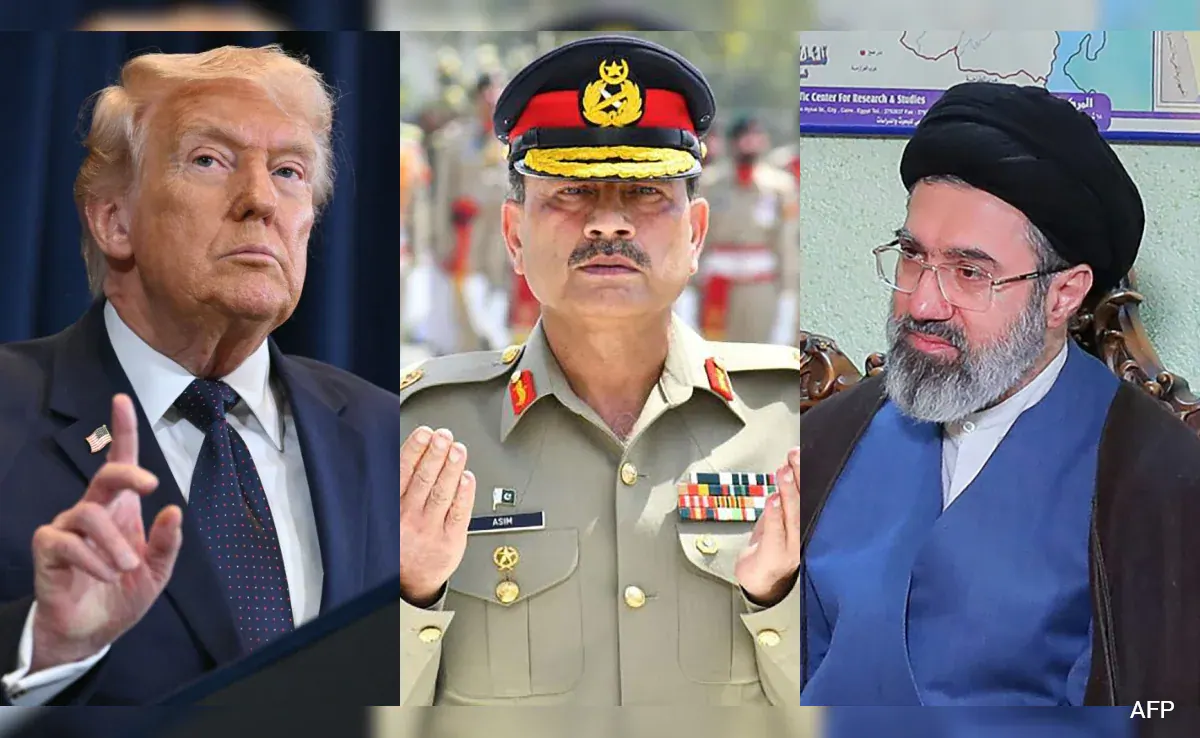
The headline states that Pakistan’s reported permission for Iranian military planes to park at its airfields has raised questions about its role as a mediator between the United States and Iran. A CBS report, based on information from US officials, indicates that this action may have been taken to shield the aircraft from potential American airstrikes.

The report mentions that, following a ceasefire announcement by former President Donald Trump in early April, multiple Iranian aircraft were allegedly sent to Pakistan’s Nur Khan Air Base, including an Iranian Air Force RC-130, which serves as a reconnaissance variant of the Lockheed C-130 Hercules. This move has prompted scrutiny of Pakistan’s position in relation to US-Iran tensions.

Responses from Pakistani and Afghan Officials

A senior Pakistani official has refuted the claims regarding military aircraft being stationed in Pakistan. However, an Afghan civil aviation officer supported the report, stating that an Iranian civilian aircraft from Mahan Air had landed in Kabul just before the onset of hostilities.

In contrast, Taliban spokesman Zabihullah Mujahid denied any presence of Iranian aircraft in Afghanistan. He asserted that the information was inaccurate and claimed that Iran had no need for such measures in the region.

This exchange of statements highlights the complexity of the situation, with conflicting narratives from various officials involved in the geopolitical landscape.

US Political Reactions to the Situation

The senator’s comments underscores the implications of Pakistan’s alleged actions, particularly regarding previous statements by Pakistani defense officials concerning Israel, leading to a significant distrust among US lawmakers about Islamabad’s commitments as a mediator.

As this situation continues to unfold, it is clear that the dynamics between these nations are fragile and are influenced by various factors, including military activities, diplomatic negotiations, and regional stability.

Iran’s Stance on Nuclear Negotiations

In related news, Iranian state media reported that Mohammad Eslami, the head of the Atomic Energy Organization of Iran, communicated to lawmakers that nuclear technology and uranium enrichment would not be included in any negotiations with the United States. He clarified that discussions should focus solely on resolving ongoing conflicts in the region.

In further statements, Ebrahim Rezaei, spokesperson for the Foreign Policy and National Security Committee of the Iranian Parliament, reinforced Eslami’s positions, indicating that enrichment issues were non-negotiable from Iran’s perspective.

Simultaneously, Iran’s Foreign Ministry spokesman, Esmaeil Baghaei, defended the country’s proposals for ending the conflict, describing them as reasonable. However, contrasting remarks from Donald Trump dismissed Iran’s proposals as unworthy, framing them as ineffective in the context of US-Iran relations.

Long or Short, get news the way you like. No ads. No redirections. Download Newspin and Stay Alert, The CSR Journal Mobile app, for fast, crisp, clean updates!

App Store –  https://apps.apple.com/in/app/newspin/id6746449540 

Google Play Store – https://play.google.com/store/apps/details?id=com.inventifweb.newspin&pcampaignid=web_share

Latest News

Popular Videos
