


Over 31,000 Waqf Property Registrations Cancelled in UP After Verification Exposed Irregularities
The CSR Journal Magazine

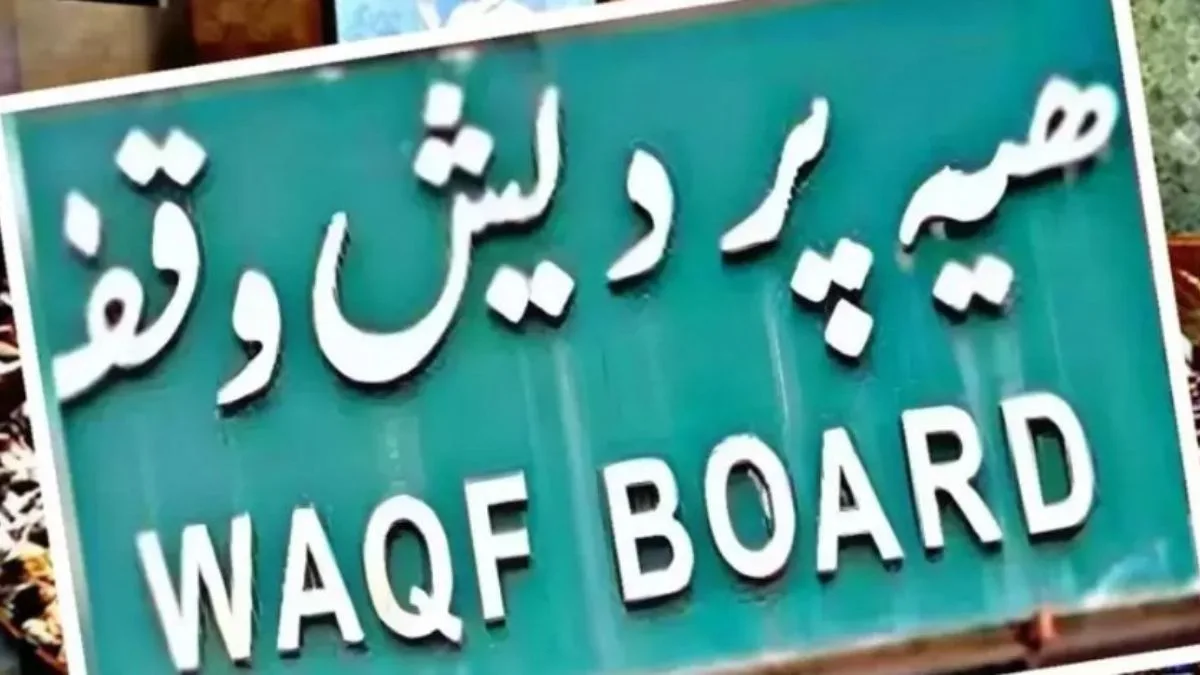
The cancellation of over 31,000 properties registered as Waqf in Uttar Pradesh has occurred following the discovery of significant discrepancies and technical issues during a large-scale verification process. Authorities revealed that 31,328 registrations have been annulled on the Centre’s Umeed portal. This action stemmed from a thorough examination of documentation associated with these properties, leading to the rejection of numerous claims due to inconsistencies in land and ownership details.

Officials confirmed that Waqf claims related to 31,192 of these properties were specifically denied post-verification. The cancellations are a part of a broader review of Waqf records throughout the state, which has a documented total of 1,18,302 Waqf properties. The irregularities came to light during the cross-checking of land and revenue records, highlighting various discrepancies in the files submitted.

Notably, many instances indicated that Khasra or plot numbers provided in the applications did not align with the records held by the Waqf Board. Additionally, inconsistencies were identified regarding the areas of land noted in the revenue documents, raising further concerns about the validity of the registrations uploaded onto the portal.

Overview of the Umeed Portal

The Umeed portal, which stands for Unified Waqf Management, Empowerment, Efficiency and Development, has been established by the Centre as part of an extensive initiative to digitise and geotag Waqf properties across India. The platform seeks to create a centralised digital inventory of Waqf assets while enhancing transparency in their administration.

Under current regulations, it is mandatory for all Waqf properties to be uploaded on the portal within six months of its launch. This digitisation effort aims to streamline property records and prevent any potential misuse of Waqf assets. However, the recent developments have sparked significant discussion about compliance with these new requirements.

Amid ongoing legal and political debates relating to the revised Waqf law and the compulsory registration process, the Supreme Court has recently declined to extend the six-month deadline for registering property information on the portal. The court noted that affected individuals could pursue relief through Waqf Tribunals on a case-by-case basis should they encounter technical complications or documentation challenges.

Future Implications and Ongoing Scrutiny

The Central government remains committed to the digitisation endeavour, asserting that it aims to enhance record-keeping and safeguard Waqf properties from misappropriation. With continued scrutiny across various districts in Uttar Pradesh, additional properties may soon undergo verification to ensure adherence to the updated regulations.

As part of the verification process, disputed claims are anticipated to be forwarded to Waqf Tribunals for further evaluation and resolution. The legal procedures following these cancellations and the broader implications of the ongoing scrutiny are expected to influence the management of Waqf properties significantly in the future.

As the verification and cancellation processes unfold, stakeholders in the Waqf management system are urged to remain transparent and compliant with regulatory requirements to ensure the integrity of property records and protect the rights connected to Waqf assets.

Long or Short, get news the way you like. No ads. No redirections. Download Newspin and Stay Alert, The CSR Journal Mobile app, for fast, crisp, clean updates!

App Store –  https://apps.apple.com/in/app/newspin/id6746449540 

Google Play Store – https://play.google.com/store/apps/details?id=com.inventifweb.newspin&pcampaignid=web_share

Latest News

Popular Videos
