


MEA Clarifies Passport Is Not Proof of Citizenship
The CSR Journal Magazine

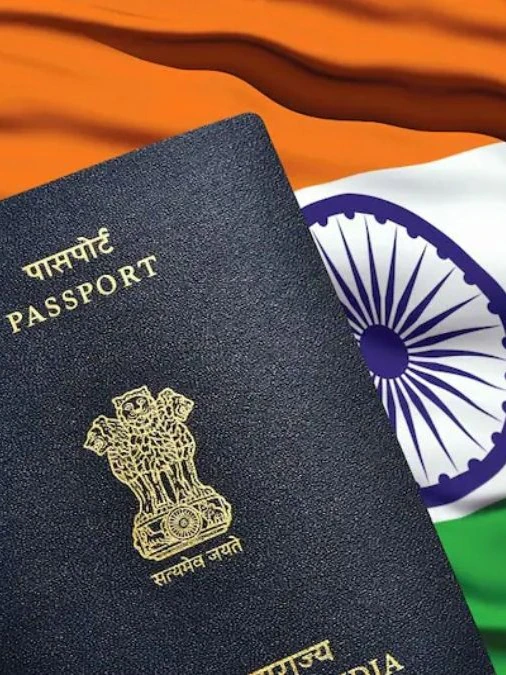
The Ministry of External Affairs (MEA) has clarified that a passport serves primarily as a travel document and is not intended to establish proof of an individual’s citizenship. This announcement was made on June 24, 2026, coinciding with the 14th Passport Seva Divas, highlighting the MEA’s focus on the role of passports in facilitating international travel.

Impact of the Statement

This statement has sparked widespread discussions on various social media platforms, particularly on X, regarding what constitutes definitive evidence of citizenship. Legal experts and civil rights activists have begun questioning existing documents traditionally viewed as evidence of citizenship, further complicating the discourse surrounding the issue.

The MEA’s clarification has pointed out a perceived irony: while passports are not issued to non-citizens, they do not serve as absolute proof of citizenship status. This distinction raises further questions about the adequacy of commonly used documents in proving citizenship.

BV Rao, a consulting editor with the India Today Group, elaborated on this matter, suggesting that the existing framework around citizenship documentation remains inadequately defined, emphasising the need for clarity from governmental authorities.

Legal Context Regarding Identification Documents

The MEA’s announcement correlates with an earlier ruling by the Supreme Court, which stated that Aadhaar cannot be deemed as conclusive proof of citizenship. It is classified solely as an identification document. This has led to further deliberation on the legitimacy of voter identification cards, which are viewed as evidence of residence and identity but do not definitively establish citizenship.

This perspective on identification documents not confirming citizenship is significant, particularly in the context of electoral processes. Voter ID cards primarily enable individuals to participate in elections, but they are not recognised as citizenship proof, signalling a need for more robust documentation methods in this area.

The continuing debate illustrates the grey areas surrounding the issue of citizenship documentation in India. More clarity is sought from governmental bodies to ensure that citizens can easily verify their status without encountering bureaucratic hurdles, especially in legal and electoral contexts.

Call for Clearer Definitions

The MEA’s recent statement has opened the floor for a broader discussion on the implications for various sectors where citizenship verification is crucial. Authorities are under pressure to define clearly which documents can unequivocally establish citizenship and the rights that follow.

Many citizens have expressed concerns over potential complications in accessing services that require proof of citizenship, suggesting that a lack of clear guidelines could affect individuals’ rights and privileges. The ongoing conversations surrounding the issue may prompt the government to reconsider its approach to citizenship documentation.

As the debate evolves, it is expected that stakeholders will push for more definitive policies and legal structures that support citizens’ rights and facilitate smoother administrative processes. The MEA’s clarification has, therefore, marked the beginning of a necessary dialogue on citizenship and identity within the Indian socio-political landscape.

Long or Short, get news the way you like. No ads. No redirections. Download Newspin and Stay Alert, The CSR Journal Mobile app, for fast, crisp, clean updates!

App Store –  https://apps.apple.com/in/app/newspin/id6746449540 

Google Play Store – https://play.google.com/store/apps/details?id=com.inventifweb.newspin&pcampaignid=web_share

Latest News

Popular Videos
